Getting a GP appointment in the UK now feels like a completely different experience compared to even a few years ago.
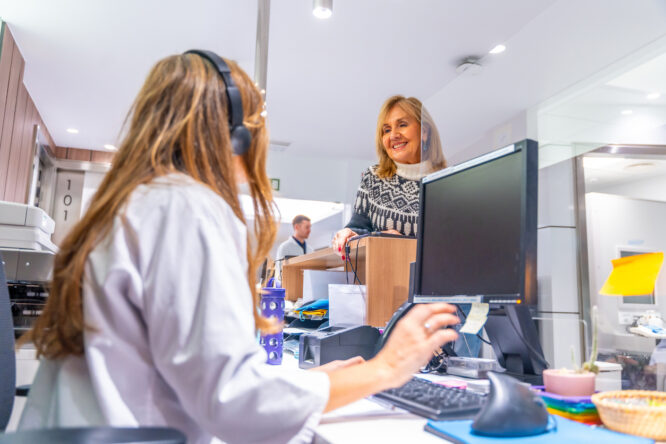
Many patients say they spend more time battling phone queues, online forms, and reception desk conversations than actually speaking to a doctor. Growing pressure on GP surgeries, staff shortages, and the rise of digital systems have all changed how people interact with the NHS, and for many patients, it’s starting to feel colder, more frustrating, and far less personal.
Many people now feel blocked before they even reach a doctor.

One of the biggest frustrations patients talk about is the feeling of needing to “get past” reception before they can actually access medical help. Reception staff are often expected to ask questions about symptoms, urgency, and appointment needs before somebody even gets near a GP.
For some patients, this can feel uncomfortable or even confrontational, especially when discussing private health issues in a busy waiting room or over the phone. Many people say the whole process now feels more like screening than simple appointment booking.
GP receptionists are dealing with huge pressure themselves.

While patients often direct frustration towards reception staff, many surgeries say receptionists are now handling far more responsibility than before. Staff are expected to manage appointment shortages, difficult conversations, angry callers, and growing patient demand every single day.
In many surgeries, reception teams have effectively become the frontline of the NHS. They are often left trying to manage impossible situations where there simply aren’t enough appointments available for the number of people needing help.
The NHS app is changing how surgeries operate.

More GP surgeries are encouraging patients to use the NHS app or online systems instead of calling reception directly. In theory, this is supposed to reduce pressure on phone lines and make booking appointments more efficient.
For some people, especially younger patients, digital systems can genuinely feel quicker and easier. But many older patients still struggle with apps, online forms, passwords, and technology-based booking systems, leaving some people feeling pushed aside.
Patients say the system feels far less personal now.
One major complaint people repeatedly raise is the loss of personal relationships with local GPs. Years ago, many patients saw the same doctor regularly and felt known by the surgery itself. Now, appointments often feel rushed, temporary, and disconnected. Some patients say they rarely see the same doctor twice, while others feel like the process has become more about moving people through the system quickly than building trust.
Some people are giving up and going private instead.

As NHS waiting times and appointment struggles continue, more patients are choosing to pay privately when they can afford it. For some people, the appeal is simply being able to speak to somebody quickly without fighting through complicated systems first. Private healthcare is still far too expensive for many households, but frustration with NHS access is clearly pushing more people towards paid alternatives than in the past.
Online booking systems aren’t always solving the problem.

Digital systems were introduced partly to make GP access more efficient, but many patients say they simply created different frustrations instead. Some online forms are long, confusing, or difficult to complete properly. Others complain appointments disappear within minutes of becoming available, creating the same stressful rush people previously experienced with early morning phone lines.
Reception staff are often forced into difficult conversations.
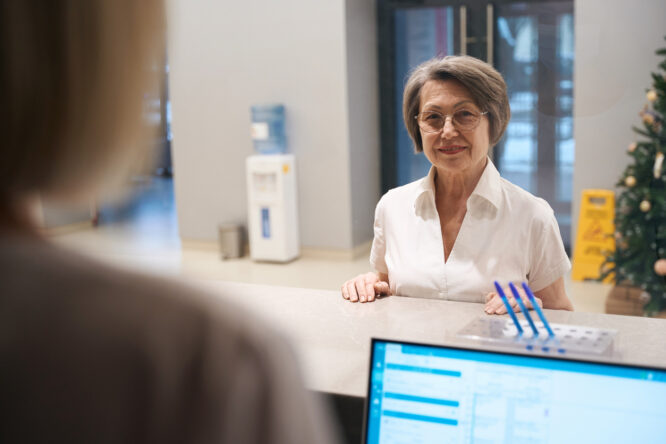
Receptionists are increasingly expected to judge urgency levels, prioritise cases, and decide how quickly patients need appointments. That can create tension when somebody feels their condition is serious, but no appointments are available. Many staff members report facing abuse, anger, and aggressive behaviour from frustrated patients. At the same time, patients often feel powerless and ignored when trying to explain health concerns.
People worry important symptoms may get missed.
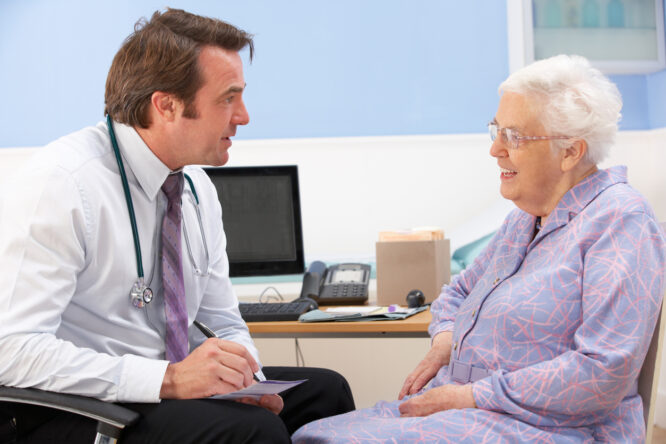
One concern raised repeatedly by both patients and doctors is whether rushed systems increase the risk of serious conditions being overlooked. Some people worry they avoid contacting surgeries altogether because the process feels exhausting or discouraging. Others fear online systems and short phone conversations may not always capture the full picture properly, especially for more complex or sensitive health problems.
The NHS is trying to balance demand with limited resources.
Health services across the UK are dealing with rising demand, an ageing population, staffing shortages, and huge financial pressure. GP surgeries are often trying to manage far more patients than the system was originally designed for. That has forced many surgeries to rely more heavily on digital systems, screening processes, and appointment prioritisation simply to keep services functioning at all.
Many people feel the NHS experience has fundamentally changed.

For many patients, the frustration isn’t only about waiting longer for appointments. It is the feeling that basic healthcare has become harder to access, less human, and far more stressful than it used to be.
Some people still strongly defend the NHS and recognise the pressure staff are under. But there is also a growing sense among many patients that the experience of seeing a GP in Britain has changed dramatically, and not necessarily for the better.