If you live in London and rely on public transport to get around, you’ll want to pay attention.
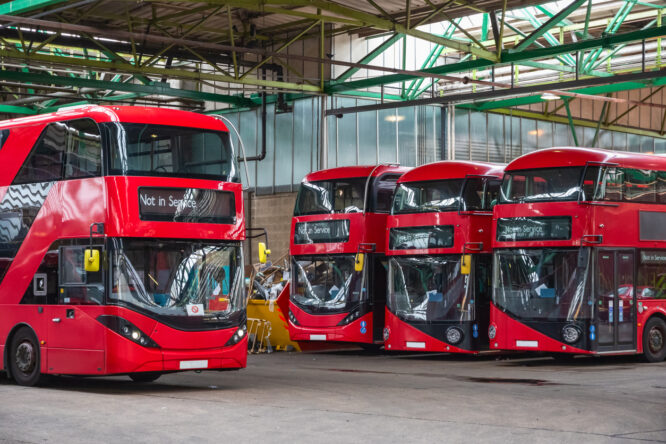
Fresh strike action is about to cause more disruption across parts of London, with hundreds of bus drivers walking out over concerns about exhaustion, shift patterns, and working conditions. The dispute has been building for months, and with no agreement in place yet, passengers across east and central London are being warned to expect delays, cancellations, and crowded alternative routes over several days.
The walkouts will hit several busy London routes.
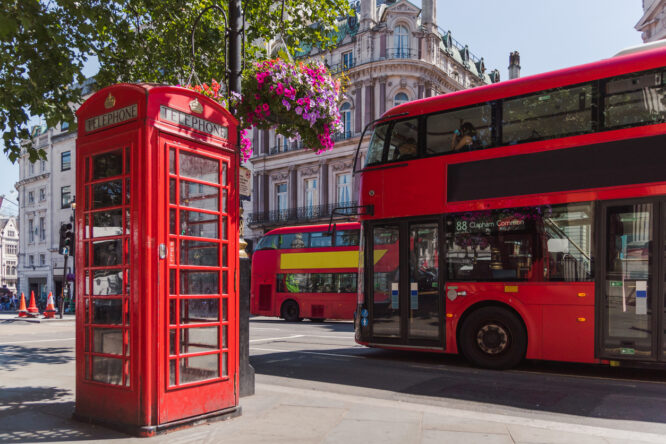
Drivers employed by East London Bus & Coach Company, which is part of Stagecoach, are striking from May 28 to 30 before staging another round of action from June 11 to 14. Several major routes are expected to be affected, including the 8, N8, 25, N25, 45, 205, N205 and 425 services.
Many of those buses travel through heavily used commuter areas and busy parts of Stratford, including routes serving the Westfield shopping centre. Even people who don’t normally use those exact buses could still face delays because disruption on a few major services often spills over onto nearby routes and stations very quickly.
Driver fatigue has become the biggest issue in the dispute.
Union representatives say drivers are dealing with long journeys, difficult schedules, and not enough proper recovery time between shifts. Some workers are reportedly completing journeys lasting up to 90 minutes while having limited rest time before returning to work again the following day.
That’s raised wider concerns around both worker wellbeing and passenger safety. Driving a bus through London traffic for hours at a time already requires constant concentration, so drivers argue that exhaustion becomes a much bigger issue when shifts and rotas start pushing people too far physically and mentally.
Breaks and rest facilities are also part of the disagreement.

The dispute isn’t only about the number of hours being worked. Unite claims some drivers aren’t being given suitable places to properly stop and recover during shifts, with complaints around meal relief breaks and depot arrangements becoming another major sticking point.
There are also frustrations around extra duties connected to charging and refuelling buses. Union representatives say these added responsibilities increase workload and fatigue levels further, especially for drivers who already feel stretched by demanding schedules and long working days.
The dispute has already caused disruption earlier this year.
This latest action follows earlier strikes that affected parts of the network in March, April, and May. Previous walkouts caused delays and cancellations across several services, and tensions appear to have continued growing after talks failed to fully resolve the complaints being raised by drivers.
Repeated strike action usually suggests both sides are still far apart on key issues. For passengers, that creates uncertainty around travel plans, especially during busy commuting periods when even smaller delays can quickly spread across the wider transport network.
Stagecoach says safety rules are still being followed.
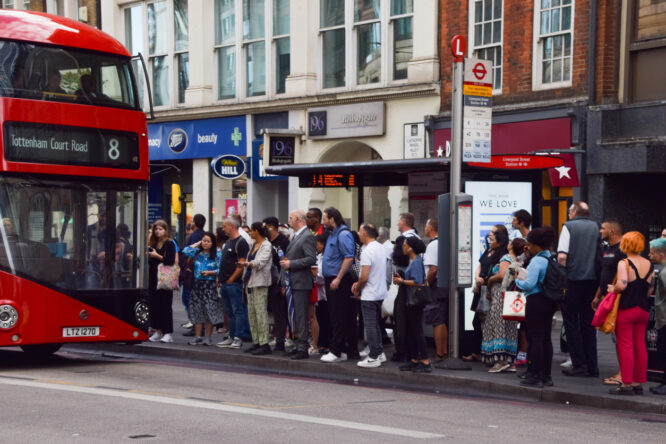
Stagecoach insists that driver schedules and rotas remain within legal working-hour limits and existing agreements. The company says discussions with union representatives have already led to several changes and adjustments, although it argues that not every request can realistically be implemented.
The company also says fatigue is influenced by multiple factors and points to existing policies designed to support staff safety. According to Stagecoach, drivers are encouraged to speak up if they feel unsafe to continue driving and won’t face financial penalties for reporting fatigue concerns.
Passengers are being told to plan ahead before travelling.
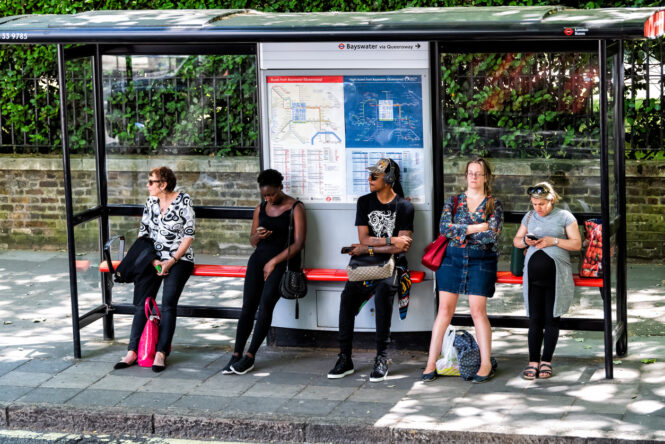
Transport for London says most of the wider bus network should still operate as normal, but passengers travelling through affected east London areas are being advised to check services carefully before leaving home. Commuters may need to allow extra time for journeys while strike action is taking place.
With separate Tube disruption also looming in June, many Londoners are now facing the possibility of another difficult stretch across the capital’s transport system. Even limited industrial action can create major knock-on effects once large numbers of passengers start crowding onto alternative buses, trains, and Underground services.