If you’re trying to lean up, build muscle, or simply stay full until dinner, hitting your daily protein target can sometimes feel like a bit of a chore.
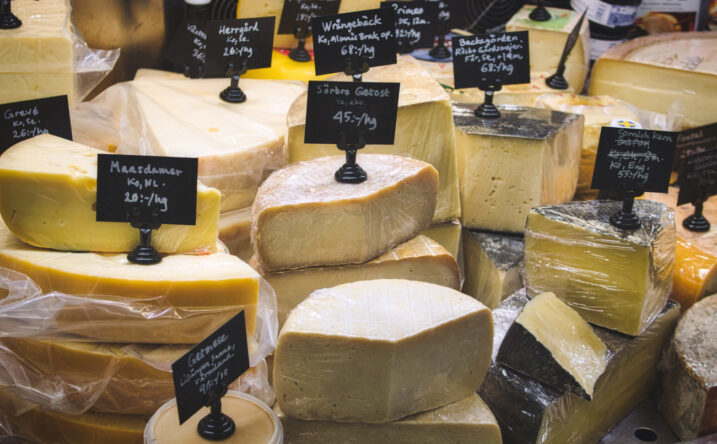
Most people automatically load up their shopping trolley with chicken breasts, eggs, and protein shakes, completely overlooking the incredible macro-friendly option sitting right in the dairy aisle. While cheese often gets a bad reputation for being high in fat, certain varieties are absolute powerhouses when it comes to packing a protein punch.
Swapping your usual mild cheddar for these specific options is the easiest way to upgrade your meals without sacrificing flavour. Knowing which blocks to reach for at the supermarket can completely transform your breakfast, salads, and snacks into muscle-building fuel.
Cheese definitely deserves a spot in a high-protein diet.
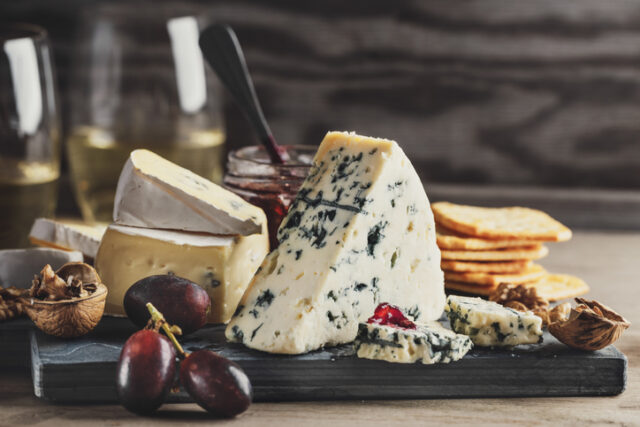
Protein has become one of the most talked-about nutrients in the UK, with everyone from gym-goers to retirees focusing on hitting their daily targets. Most of us reach for chicken, eggs, or protein powder when we’re trying to up our intake, but cheese is genuinely one of the most overlooked sources of high-quality protein in an everyday kitchen. Aged hard cheeses in particular pack serious amounts of protein into small portions, which makes them brilliant for snacks, lunches and adding flavour to meals.
The big advantage cheese has over many other protein sources is that it’s also rich in calcium, vitamin B12, phosphorus and a range of other nutrients that support bone health, energy, and muscle function. The trick is choosing the right cheeses for your goals. Some are properly protein-dense, while others are higher in fat and lower in protein. Knowing the difference helps you make smarter choices without feeling like you’re missing out on the cheeses you love.
Parmesan
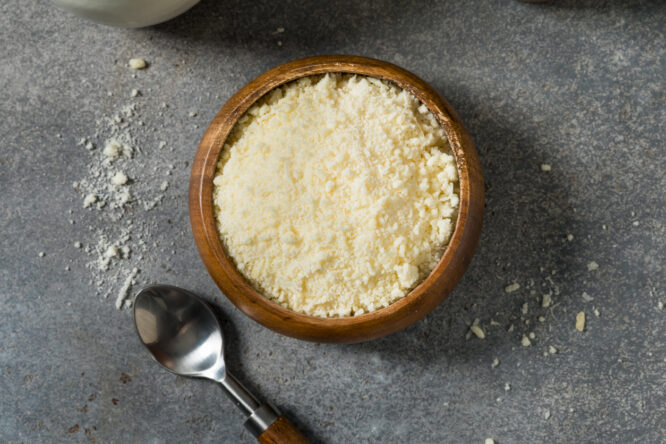
Parmesan tops almost every list of high-protein cheeses, and for good reason. It packs around 35 to 38 grams of protein per 100 grams, which is genuinely impressive for any food, let alone something you can grate over pasta. A standard 28-gram serving delivers around 10 grams of protein, which is the equivalent of eating a small egg or a slice of chicken breast.
Parmesan gets its protein density from the long ageing process, which can take anywhere from 12 to 36 months. As it ages, much of the moisture evaporates, leaving behind a concentrated, savoury cheese with a crystalline texture. Use it grated over pastas, soups and risottos, or shave thin slices into salads. A little goes a long way, both for flavour and for your daily protein target.
Pecorino Romano
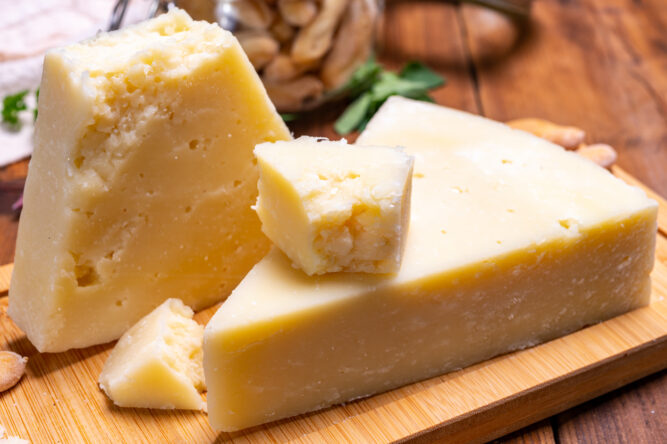
Pecorino Romano is another Italian hard cheese that delivers an enormous protein hit. It’s made from sheep’s milk and tends to be slightly saltier and sharper than Parmesan, with a flavour that works brilliantly in classic dishes like cacio e pepe and carbonara. You’ll get around 26 to 32 grams of protein per 100 grams, with roughly 9 grams in a standard 28-gram serving.
Because of its strong flavour, you don’t need huge amounts to get the benefit. A light grating over a bowl of pasta or a sprinkle into a salad provides a proper protein boost without overpowering everything else. It’s also slightly cheaper than Parmesan in most UK supermarkets, which makes it a sensible swap if you’re cooking with hard cheese regularly.
Cheddar
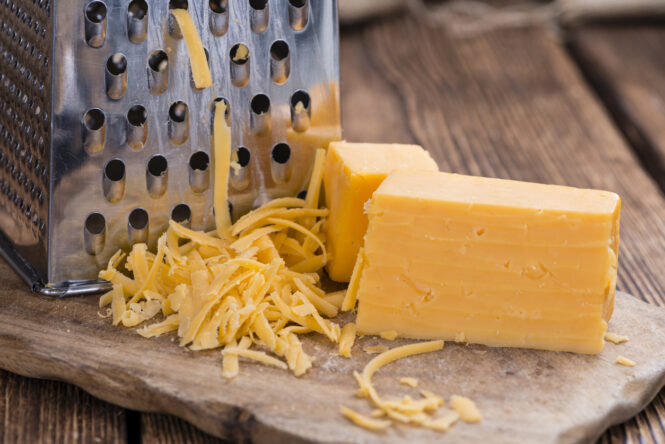
The nation’s favourite cheese is also a properly solid source of protein, with around 25 grams per 100 grams. A standard slice of cheddar, around 28 grams, gives you about 7 grams of protein. Mature cheddar tends to be slightly higher in protein than milder versions because the longer ageing process concentrates the nutrients.
Cheddar is brilliantly versatile for protein-conscious eating. Grate it into omelettes, melt it onto wholegrain toast, slice it into sandwiches, or chop it into salads. Choosing a strong, well-aged cheddar means you can use less while still getting plenty of flavour, which keeps the calorie count sensible. Reduced-fat cheddar versions exist too, although they’re often noticeably less satisfying than the real thing.
Mozzarella
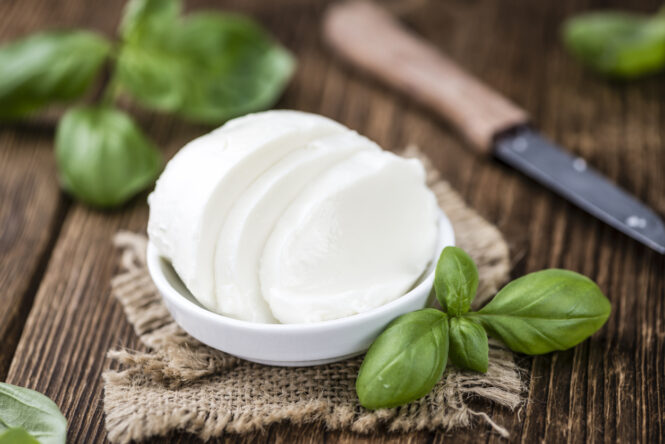
Mozzarella is one of those cheeses that gets unfairly written off as just a pizza topping, but it’s actually a brilliant source of protein. Standard cow’s milk mozzarella contains around 22 to 24 grams of protein per 100 grams, while part-skim and low-fat versions can push that figure even higher, sometimes up to 29 grams per 100 grams.
What makes mozzarella particularly handy is its mild flavour, which means you can eat it in larger portions without it overwhelming a meal. Try a fresh mozzarella and tomato salad, melt it into pasta bakes, or use the firmer version for lasagna. Mozzarella sticks and small bocconcini balls also make excellent high-protein snacks, particularly if you’re trying to up your intake without resorting to ultra-processed protein bars.
Cottage cheese
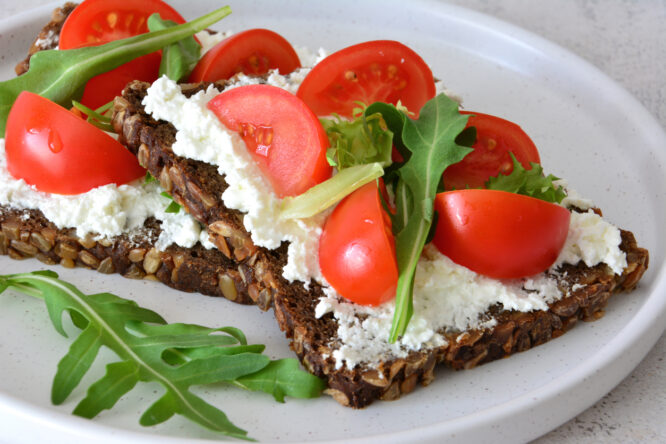
Cottage cheese has had a serious glow-up over the past couple of years, going from a slightly unfashionable diet food to a TikTok-famous protein hero. Low-fat cottage cheese delivers around 11 grams of protein per 100 grams, which doesn’t sound huge compared to harder cheeses, but the key is portion size. A standard 200-gram pot of cottage cheese contains around 22 grams of protein for surprisingly few calories.
That protein-to-calorie ratio is what makes cottage cheese so popular with people watching their weight or trying to build muscle. It’s incredibly versatile too, working in both sweet and savoury dishes. Stir it through scrambled eggs for a fluffier texture, blend it into smoothies, spread it on toast with sliced tomatoes, or pop it on top of a baked potato. It’s also brilliant whipped with herbs and lemon as a dip.
Swiss cheese (Emmental and Gruyère)
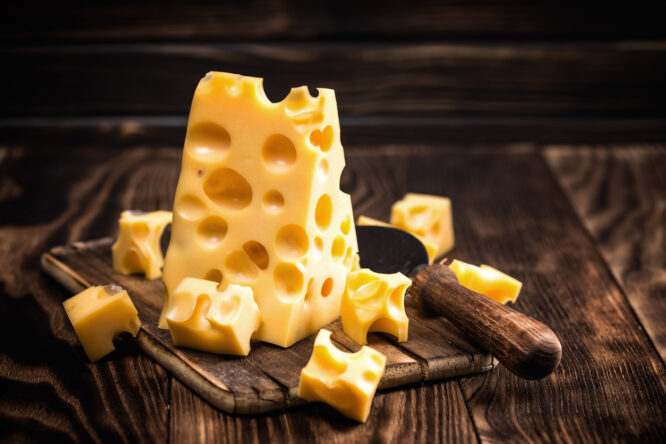
Swiss cheeses like Emmental and Gruyère are both excellent sources of protein. Emmental, the holey cheese most people picture when they think of Swiss cheese, delivers around 28 grams of protein per 100 grams. Gruyère, which is slightly nuttier and more complex, packs in around 30 grams per 100 grams.
Both cheeses melt beautifully, which makes them perfect for toasted sandwiches, fondues, gratins, and quiches. They also work brilliantly on a cheese board, where you can pair them with apple slices, walnuts, and a slice of crusty bread for a properly balanced snack. Gruyère in particular is genuinely satisfying, so a small portion goes a long way for both flavour and nutrition.
Feta
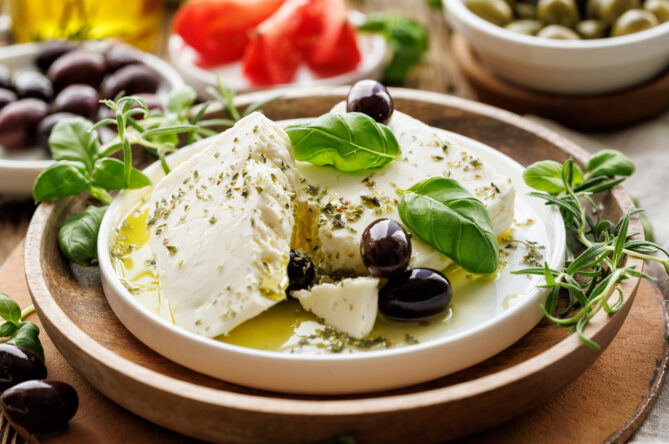
Feta brings around 14 to 17 grams of protein per 100 grams, which is slightly lower than some of the heavyweights but still respectable. It’s also lower in calories than most other cheeses, since it’s stored in brine and contains a higher water content. That makes it a great option if you want the satisfaction of cheese without too many extra calories.
Traditional feta is made from sheep’s milk or a combination of sheep and goat milk, which gives it a distinctive tangy flavour and crumbly texture. Crumble it over salads, mix it into Mediterranean grain bowls, or bake it into pasta dishes like the famous TikTok baked feta pasta. It pairs particularly well with watermelon, cucumber and roasted vegetables, and adds a real flavour kick to even simple meals.
Ricotta
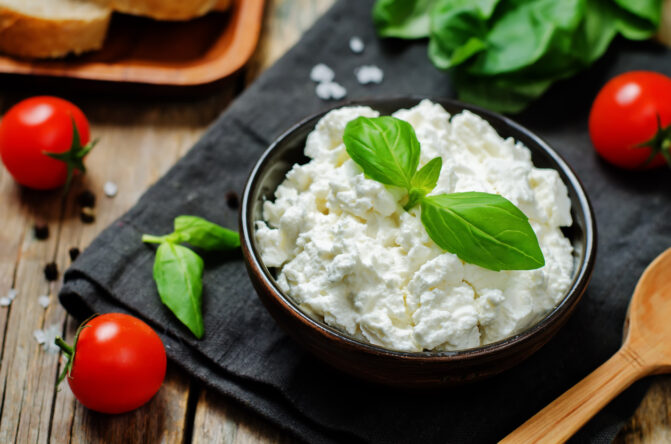
Ricotta is another cheese that’s brilliant for both sweet and savoury cooking, and contains around 11 to 18 grams of protein per 100 grams. Made from the whey left over from other cheese production, ricotta has a soft, creamy texture and a mild, slightly sweet flavour that works in everything from lasagna to cheesecake.
Try ricotta on toast with honey and berries for breakfast, mix it into pancake batter for a protein boost, or use it as a base for creamy pasta sauces. It’s also a healthier alternative to cream cheese in baked goods, since it has more protein and fewer calories. Many gym-goers blend ricotta with cocoa powder and a sweetener to make a high-protein dessert that genuinely hits the spot.
Edam
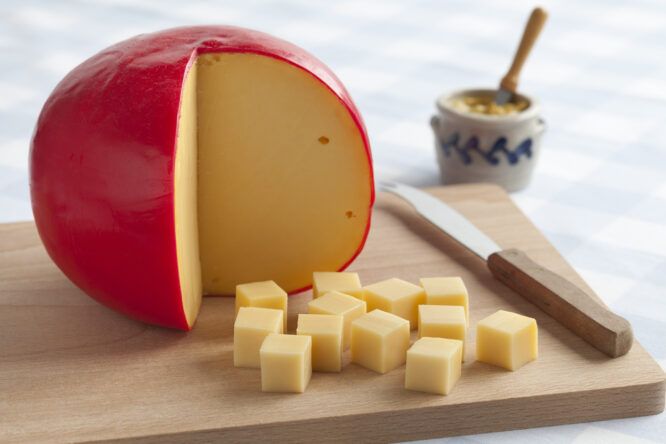
Edam is one of those slightly underrated cheeses that punches well above its weight nutritionally. With around 25 grams of protein per 100 grams, it sits comfortably among the highest-protein options. It’s also lower in fat than many other hard cheeses, which makes it a great everyday choice for sandwiches and snacks.
Originally from the Netherlands, Edam has a mild, slightly nutty flavour that’s perfect for people who don’t love overly strong cheeses. It works brilliantly grated over baked dishes, sliced into sandwiches or chopped into chunks for lunchboxes. Children tend to love it too, since the flavour is mellow but still satisfying.
Manchego
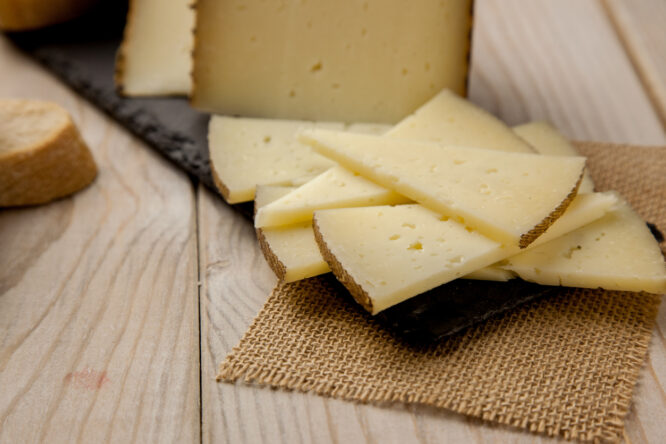
Manchego rounds out the list with around 26 to 28 grams of protein per 100 grams. This Spanish cheese is made from sheep’s milk and has a firm, slightly crumbly texture with a rich, nutty flavour. Younger Manchego is milder, while aged Manchego becomes more intense and complex.
Slice Manchego into wedges and serve with quince paste, almonds, and olives for a Spanish-style snack platter. It also grates beautifully over Spanish-inspired dishes like patatas bravas or chicken with chorizo. Manchego is genuinely satisfying in small amounts, so a 30 to 40-gram portion can deliver up to 10 grams of protein alongside heaps of flavour.
How to actually use these in your diet
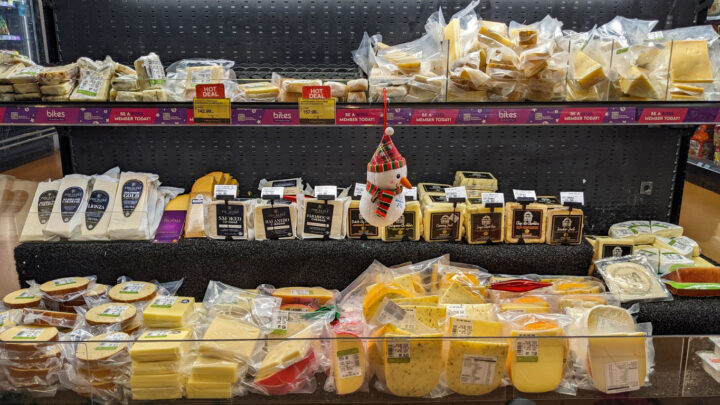
The trick to using cheese as a serious protein source is to think about portion sizes properly. Most of us eat far less cheese in one go than we’d think, so being intentional about adding it to meals can make a real difference to your daily protein total. A 30-gram serving of Parmesan grated over pasta adds around 10 grams of protein. Two slices of Edam in a sandwich brings around 7 grams. A 200-gram pot of cottage cheese provides over 20 grams.
That said, cheese is also high in saturated fat and sodium, so it shouldn’t be your only protein source. Mix it into a varied diet that includes lean meat, fish, eggs, pulses, and other protein-rich foods. People watching their salt intake or blood pressure should be particularly mindful with heavily aged cheeses like Parmesan and Pecorino, which are saltier than younger cheeses.
Choosing the right cheese for your goals

If you’re trying to maximise protein while keeping calories in check, lower-fat options like cottage cheese, low-fat mozzarella and feta tend to give you the best ratio. If you’re after maximum protein density and don’t mind a higher calorie count, hard aged cheeses like Parmesan, Pecorino and Manchego are the absolute winners. For everyday eating where you want flavour, satisfaction and decent protein, cheddar, Edam and Swiss cheeses tick all the boxes.
The beauty of cheese is that there’s something to suit pretty much every taste, dietary need and budget. Whether you’re using a sprinkle of Parmesan to lift a simple bowl of pasta or building a meal around a generous portion of cottage cheese, the right cheese can transform an ordinary plate into something genuinely nourishing. Eaten in sensible portions as part of a balanced diet, cheese is one of the simplest and most delicious ways to boost your protein without ever feeling like you’re on a diet.