It feels like you can’t walk down the high street, pop into the local, or turn on the telly these days without hearing a whole new vocabulary of misery.

Britain in 2026 is a tough gig. Between the endless squeeze on our wallets, sky-high energy bills, and the general sense that everything is slightly frayed at the edges, the way we talk to each other has changed. We’ve traded cheerful banter for phrases that basically translate to “everything is broken, and I’m skint.”
We’re not talking about official economic jargon here. These are the literal phrases dropping out of the mouths of your mates, your family, and the cashier at the supermarket. They’re verbal coping mechanisms for a society that feels increasingly fractured. You’re probably hearing variations of these way too much right now, and they say a lot about the state of the nation.
1. “I’m just topping up the electric.”
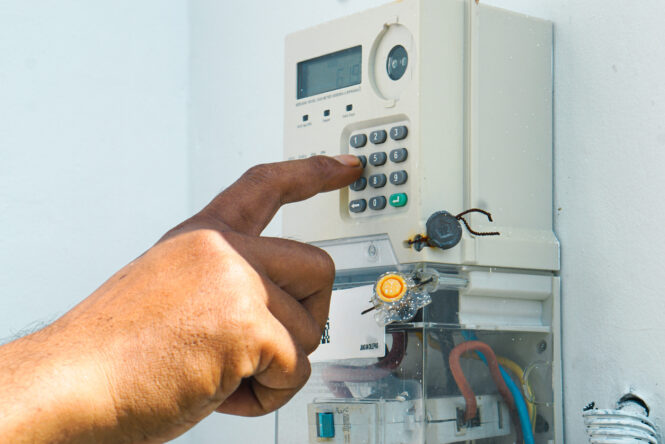
A few years ago, “topping up” was something you did to your mobile phone credit so you could send a few texts. Now, when someone says they’re topping up, they’re usually talking about their pre-paid energy meter, and it’s a phrase laced with pure anxiety.
You hear it muttered in corner shops as people count out change to put 10 quid on a plastic key, knowing full well it’ll barely keep the radiators lukewarm until tomorrow evening. It means living heat-to-mouth, watching the digital display in the hallway slowly tick down to zero, and praying the emergency credit lasts through a cold snap.
2. “We’re just eating the cupboards bare this week.”
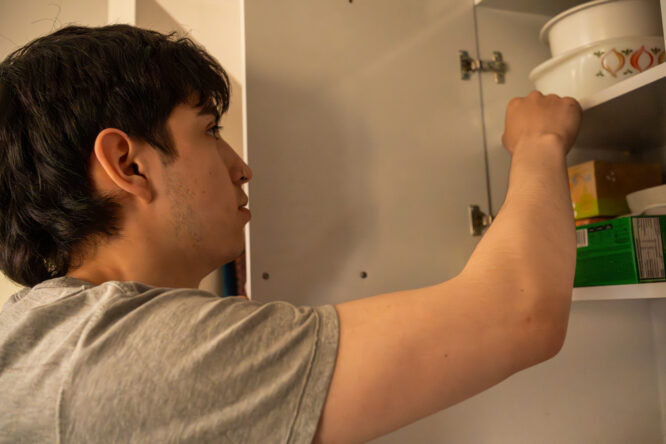
This is the casual phrase used to mask the fact that the food budget has completely run out before pay day. It sounds almost adventurous, like a fun culinary challenge to see what you can whip up with a tin of kidney beans, some stale crackers, and a jar of old spices. In reality, it means parents are skipping meals so their kids can eat. It’s the polite, British way of saying the weekly shop has become an unaffordable luxury, and people are relying on whatever random tins are left at the back of the pantry to get through to Friday.
3. “I can’t make it, I’m doing an extra shift.”

There was a time when picking up extra hours at work meant saving for a holiday or buying something nice for the house. Now, it’s just a survival strategy. When your mates say they can’t make it to the pub because they’re stuck at work, it’s because their basic wage no longer covers the bare essentials.
People are working 50 or 60 hours a week across multiple jobs just to stay completely still. The weekend has vanished for a huge portion of the population, replaced by extra shifts, delivery driving, and a level of exhaustion that makes a social life impossible.
4. “Everything has a security tag on it now.”
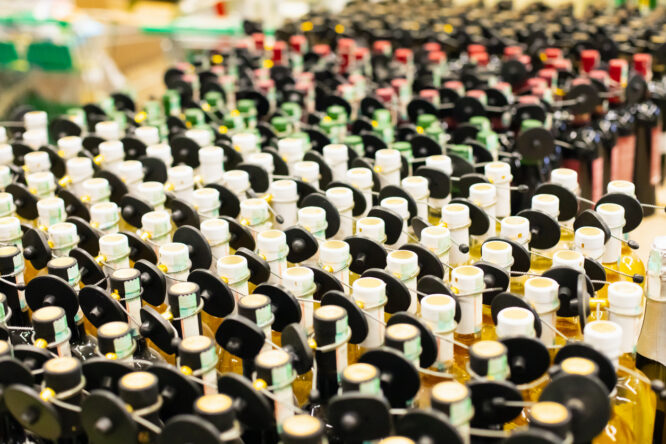
You hear this one blurted out in utter disbelief down the supermarket aisles. It used to be that only high-end electronics or expensive bottles of spirits got the plastic security cases. Now, you go into the local Co-op or Tesco Express and see security tags stuck onto blocks of cheddar, packs of Lurpak, baby formula, and even mince.
It’s a visual reminder that shoplifting isn’t just petty criminals looking for a thrill anymore; it’s ordinary people getting desperate enough to nick basic groceries, and supermarkets treating every customer like a potential thief.
5. “We’re just going to sit in the library for a bit.”

On the surface, it sounds like a lovely, wholesome family afternoon out. But when parents say this in the middle of winter, it’s usually because the library is heated and their own living room isn’t. This is the human reality behind the term “warm banks.”
People are using public spaces—libraries, museums, churches—not to look at the books or the exhibits, but because they can’t afford to turn their own boilers on. It’s a phrase that highlights the subtle humiliation of not being able to provide basic warmth in your own home.
6. “The landlord is putting the rent up again.”
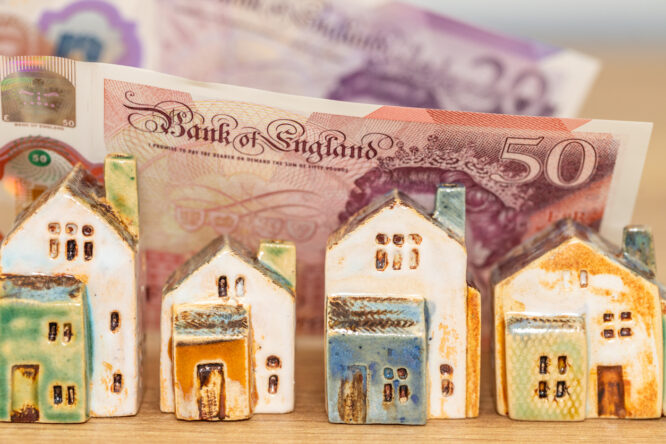
This has become the standard background noise of modern British adulthood. Whether you’re 21 or 41, if you’re renting in Britain, you live in constant dread of this sentence. It’s usually delivered with a sigh of complete helplessness. It means another £150 or £200 a month gone from your bank account for absolutely no extra benefit.
The flat still has damp, the boiler still rattles, but you have to pay more for it because the market allows it. It’s the phrase that reminds an entire generation that they’re trapped paying off someone else’s mortgage with zero chance of saving for their own.
7. “You can’t get an appointment for love nor money.”

Try calling your local GP surgery at 8:00 a.m. and you’ll hear this phrase echoed by everyone in your postcode. You sit on the phone, listening to the automated hold music, watching your place in the queue move from 45 down to two, only to be told that all the slots for the day have gone, and you should try again tomorrow.
It’s the same story for NHS dentists, mental health services, and hospital waiting lists. This phrase is the ultimate expression of a system that feels completely burned out, where even the most basic healthcare requires a stroke of absolute luck.
8. “I had to put it on the credit card.”

This used to be reserved for big, unexpected emergencies, like the car failing its MOT or the washing machine packing up. Now, people are saying it about the weekly shop, the school uniform, or the winter gas bill. It’s a phrase that shows how thin the financial ice has become.
People aren’t using credit to live a flashy lifestyle; they’re using it to plug the massive gap between their wages and their outgoings. It’s a short-term fix that everyone knows is creating a massive debt for the near future.
9. “We’re just sofa surfing at the minute.”
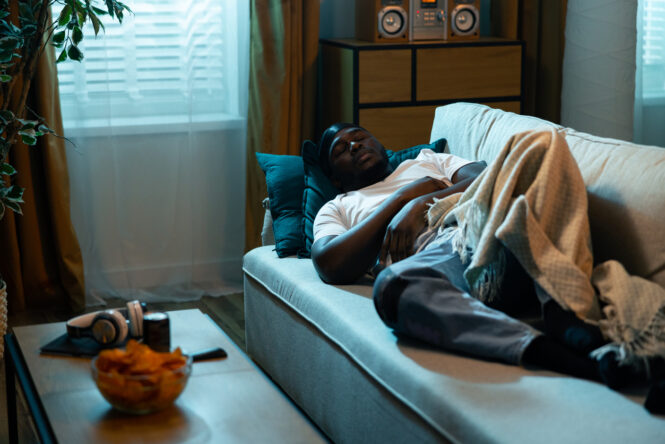
This is the casual phrasing used to soften the blow of a brutal reality: hidden homelessness. When someone tells you they’re sofa surfing, they’re trying to make it sound temporary and low-stress, like they’re just between flats. But it means they’ve been priced out of the rental market, or their relationship has broken down under financial stress, and they have nowhere else to go. It means living out of a sports bag, sleeping on a mate’s futon, and feeling like an inconvenience every single day.
10. “The town centre is completely dead.”
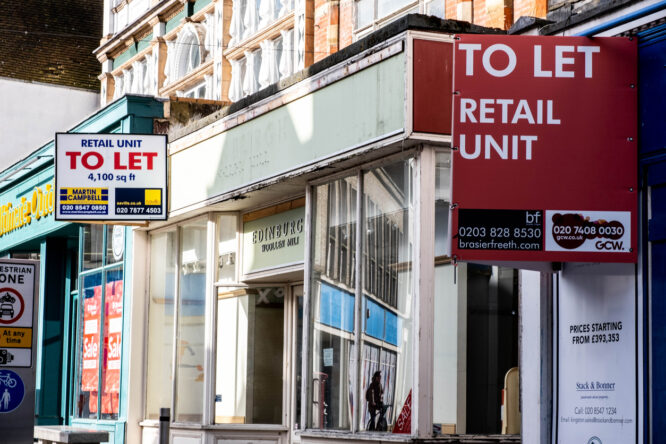
Walk through almost any regional town in Britain and you’ll hear locals muttering this. It’s a comment on the rows of boarded-up shops, the charity shops, the betting shops, and the empty units that used to be thriving family businesses. The local high street used to be the hub of the community, a place to meet people and feel connected.
Now, as independent shops shut down due to soaring business rates and energy bills, the town centre feels more like a ghost town, contributing to that heavy sense that society is fracturing.
11. “I’m just watching the smart meter.”
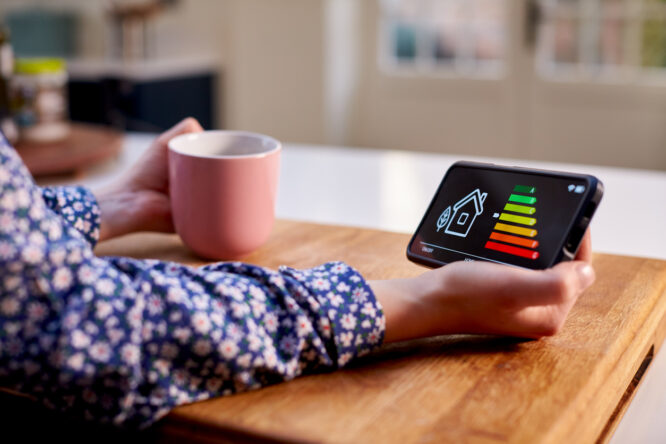
The smart meter was sold to us as a handy little gadget to help us manage our energy use. Instead, it has become an object of grim fascination and terror. When someone says they’re watching the smart meter, it means they’re staring at that little screen on the kitchen counter, watching the numbers turn from green to amber to red in real-time. It means feeling a spike of adrenaline every time someone boils the kettle or takes a shower. It has turned the simple act of living in a house into a constant, stressful mathematical calculation.
12. “Honestly, the country is finished.”

This is the big one. It’s the conclusion to almost every conversation about politics, infrastructure, or the economy in Britain today. People say it when the trains are cancelled again, when they see potholes the size of craters left unrepaired for months, or when they read about another water company dumping sewage into the local river.
It’s not just about being cynical; it’s a profound expression of fatigue. It’s the feeling that nothing works properly anymore, nobody in charge seems to care, and the Britain we used to know is slowly slipping away.