People often think ageing well is mostly about exercise, healthy eating, or avoiding bad habits.
And while those things obviously matter, researchers are now saying there may be another side to healthy ageing that people overlook far too often. According to a major new study, staying socially connected and mentally engaged may help older adults stay physically stronger and less frail as they age. While this isn’t exactly shocking news, the importance of these elements of senior life have been revealed to be more important than ever.
The study’s authors followed more than 12,000 older adults over 11 years.
The study tracked more than 12,000 Australians aged 70 and older to see how different social and mental activities affected ageing over time. Researchers monitored things like physical strength, cognitive function, walking speed, independence, and overall frailty while also looking at participants’ daily routines and habits.
Importantly, the participants were generally healthy when the study began. They didn’t already have major conditions like dementia or severe heart disease, which painted a clearer picture of how everyday lifestyle habits may influence ageing before serious illness fully develops.
Frailty became one of the biggest focuses of the research.

Frailty is often misunderstood as simply “getting old,” but experts say it’s a much more serious physical decline that impacts strength, balance, resilience, and recovery. Frail adults are often more vulnerable to falls, illness, hospitalisation, and complications after injuries.
It can also make everyday life harder in ways people don’t always think about at first. Things like dressing, preparing meals, climbing stairs, or recovering after minor illnesses can suddenly become much more difficult once physical frailty develops.
Social connection appeared to make a real difference.
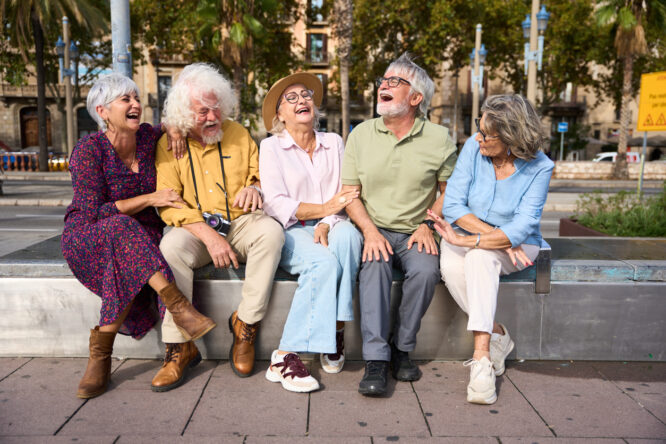
One of the clearest findings in the study involved social activity. Older adults who regularly joined clubs, local groups, or organisations appeared less likely to become physically frail over time compared with those who stayed socially isolated.
Researchers also found benefits among people with stronger support networks, including friends or relatives they could regularly speak to, visit, or ask for help when needed. That may partly be because social interaction naturally keeps people more mentally active, emotionally engaged, and physically mobile at the same time.
Benefits linked to mentally stimulating hobbies were also seen.
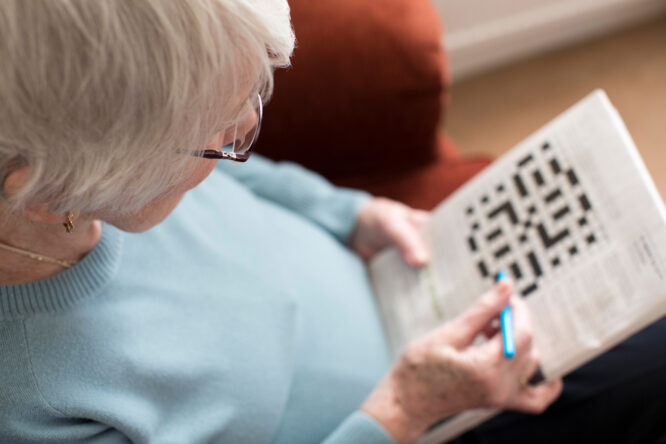
Activities like puzzles, crosswords, card games, chess, reading, and similar hobbies were all linked to lower frailty risk across the study. Many of these things were described as passive mental activities because they stimulate the brain without requiring intense physical effort.
That finding stands out because people often assume healthy ageing is only about physical movement. But the study suggests keeping the brain regularly engaged may also help support physical resilience as people grow older.
Reading, writing, and learning new things also appeared important.

The research also linked literacy-based activities to healthier ageing outcomes. Older adults who regularly wrote letters, used computers, attended educational classes, or kept learning new skills appeared less likely to become frail over time.
Activities like these may help preserve cognitive flexibility and problem-solving abilities, which are closely tied to maintaining independence later in life. Even fairly ordinary habits that keep the brain active on a regular basis may have a cumulative effect over many years.
Women appeared to benefit more strongly from these activities.

One of the more interesting parts of the study was the difference between men and women. Women appeared to gain stronger protective benefits from social and mentally engaging activities than men did.
The study found reductions in frailty risk ranging from roughly 3% to 6% among women who regularly stayed socially and mentally active. The same clear pattern didn’t appear as strongly among male participants, although researchers admit that they’re still trying to fully understand why.
The study wasn’t suggesting exercise suddenly stopped mattering.

The study’s authors stressed that physical activity and healthy eating still remain some of the most important factors linked to healthy ageing. The purpose of the study wasn’t to replace exercise advice with puzzles and coffee mornings.
Instead, scientists wanted to look at the kinds of social and cognitive habits that often receive far less attention, despite potentially playing a meaningful role in how people age physically over time.
The findings reflect how connected the brain and body really are.

People often separate physical health, mental health, and social wellbeing into completely different categories. However, ageing doesn’t really work that way. Loneliness, boredom, inactivity, cognitive decline, and physical weakness can all gradually feed into one another over time.
That may partly explain why mentally and socially engaging activities appeared connected to lower frailty risk in the study. Staying connected to people, routines, interests, and learning may help keep multiple parts of the body and brain functioning together for longer.
Researchers say modern lifestyles may be making the problem worse.
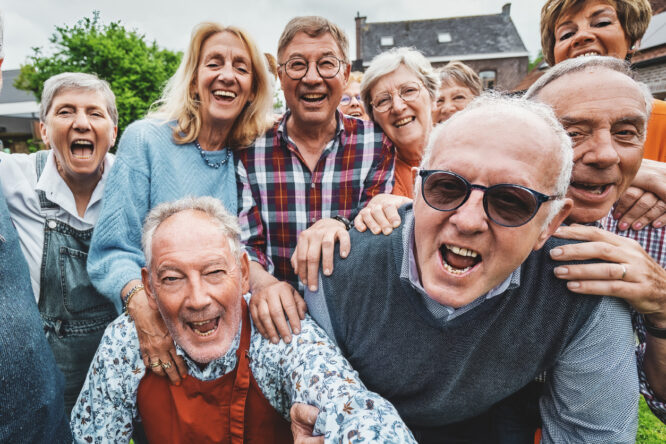
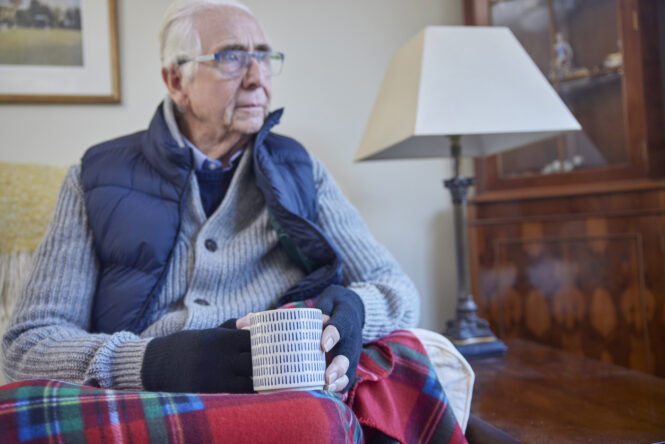
A lot of older adults now spend huge amounts of time alone, especially after retirement, bereavement, illness, or mobility problems begin affecting daily life. Experts say social isolation can quietly build over time without people fully noticing how much their routines and interactions have shrunk.
That’s partly why the researchers highlighted the importance of things like community centres, clubs, libraries, classes, and accessible public spaces. Sometimes the ability to stay socially engaged depends heavily on whether people still have realistic opportunities to leave the house and remain connected to everyday life.