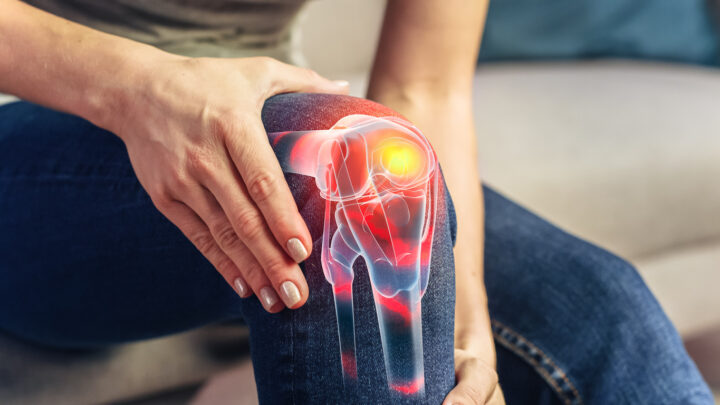
For decades, the absolute first instinct for anyone dealing with a sprained ankle or a bruised knee has been to rush straight to the freezer for an ice pack.

It’s a piece of medical advice that’s been passed down for generations, built on the idea that freezing the area is the best way to keep swelling down and speed up healing. However, a growing number of doctors and sports scientists are now warning that this trusty ritual might actually be doing far more harm than good.
While a blast of cold is great for numbing the immediate pain, freezing the tissue can actively stall your body’s natural inflammatory response—the exact process needed to repair damaged muscles. If you want to get back on your feet as quickly as possible, here’s why the old cooling method is being questioned and what you should be doing instead.
Researchers say icing may slow recovery in some cases.
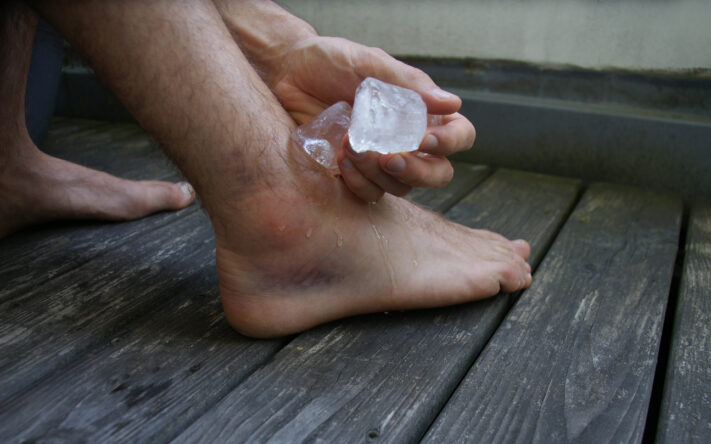
A new preclinical study, published in the medical journal Anesthesiology, looked at cryotherapy, which is the medical term for icing injuries. Researchers found that while icing reduced pain at first, recovery sometimes took much longer afterwards in the animal models being studied. In some cases, the healing process more than doubled in length.
That sounds strange because most people think reducing inflammation is always a good thing, but inflammation is also part of how the body repairs damaged tissue after an injury.
Inflammation may actually play an important role in healing.

When you injure a muscle, ligament, or joint, the body sends blood flow and immune cells to the area to begin repairs. That’s part of why injuries become swollen, warm, painful, or tender in the first place. The new research suggests icing may interrupt some of those natural repair signals. So while the pain may temporarily feel better, the deeper healing process could potentially slow down underneath.
The famous RICE method is now facing more scrutiny.
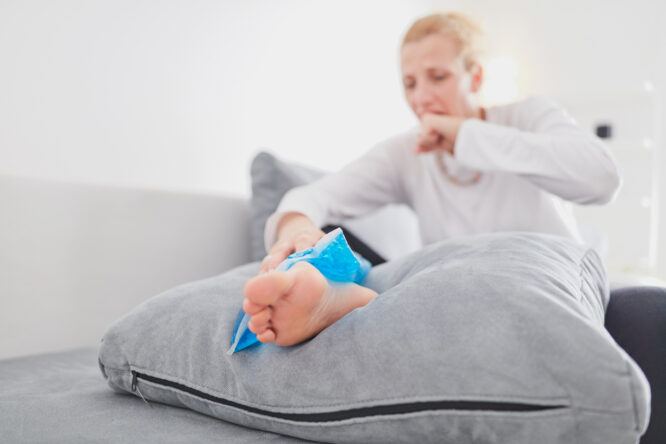
For decades, people have been told to follow the RICE method after injuries: rest, ice, compression, and elevation. It became one of the most widely repeated pieces of sports injury advice in the world. However, researchers say evidence for the long-term benefits of icing has always been more limited than many people realise. Some sports medicine experts have been questioning the practice for years now.
Even the doctor behind RICE later questioned excessive icing.

Dr Gabe Mirkin, the doctor who originally helped popularise the RICE method in the 1970s, later acknowledged that too much icing may delay healing in certain situations. That doesn’t mean ice suddenly became dangerous overnight. But it did help change the conversation around whether completely shutting down inflammation is always the best idea.
Feeling better and healing properly aren’t always the same thing.

One reason icing became so popular is because it genuinely can reduce pain and swelling very quickly. For many people, that immediate relief feels reassuring, but researchers say pain relief can sometimes create a false sense of recovery. An injury may feel calmer on the surface while the body is still trying to repair the damaged tissue underneath.
Researchers are also questioning other anti-inflammatory treatments.

The study adds to wider concerns around treatments that suppress inflammation too aggressively. Earlier research has suggested some anti-inflammatory drugs may also interfere with recovery in certain situations. Scientists are now looking more closely at whether inflammation has unfairly been treated like the enemy instead of part of the body’s natural repair system.
The findings have not yet been fully confirmed in humans.

One important detail is that this latest research was carried out using animal models, not human patients. Researchers stressed that the results cannot automatically be applied directly to people yet. Human clinical trials are now being carried out to see whether the same patterns appear in real injuries and recovery situations.
Some recovery experts now focus more on movement than icing.

Rather than immediately freezing every injury, some physiotherapists now focus more on controlled movement, gradual loading, blood flow, and active recovery. That doesn’t mean people should suddenly ignore serious swelling or injuries. But modern recovery advice is becoming more about balance instead of simply trying to stop all inflammation immediately.
The body’s healing process may be more complicated than people thought.

Most people never question icing because it has been treated as common sense for so long. But newer research is starting to suggest the body may sometimes heal better when inflammation is allowed to do part of its job naturally. And while scientists are still figuring out exactly where that balance sits, the research is making more people rethink whether grabbing an ice pack should always be the first response after an injury.