Most of us notice a bit of softening around the middle as we get older, even if we’ve never had to worry about it before.
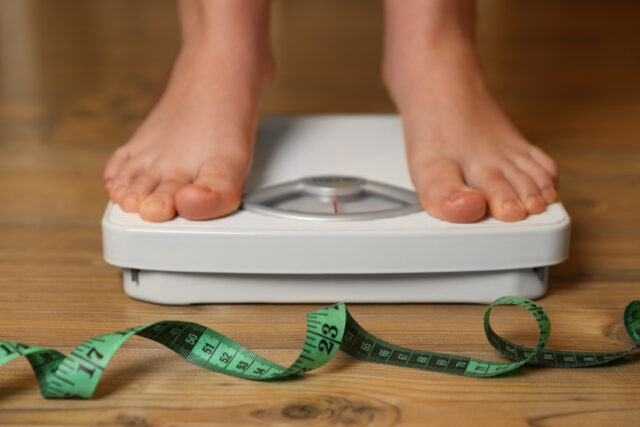
The frustrating part is that no amount of crunching or planking will magically melt fat from one spot because the body doesn’t work like that. The good news is that what we eat genuinely moves the dial, and there are some simple foods that subtly help keep belly fat at bay without setting foot in a gym. Here are six of them worth knowing about.
The truth about midlife middle spread
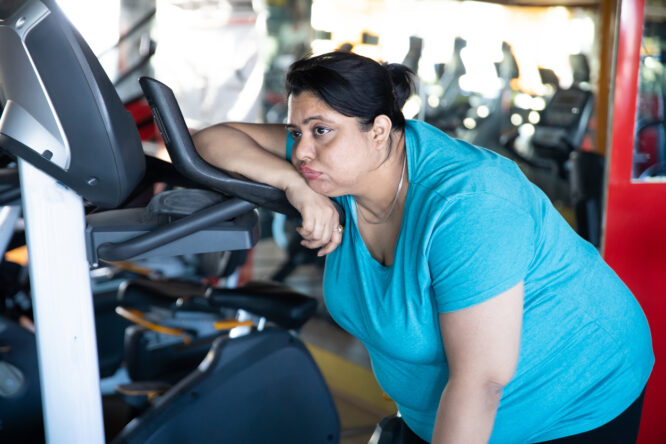
There’s a reason the middle starts to thicken as we age, and it isn’t because you’ve suddenly become lazy. Hormones change, the body burns energy a bit more slowly, and fat starts to settle in different places than it used to. The kind that sits around the tummy is called visceral fat, and it’s the type doctors care about most because it sits close to important organs.
You can’t spot-target it, no matter what fad diets promise. But the foods below have been shown to genuinely help reduce the risk of gaining it in the first place, or even get rid of it once it’s there.
Try a bit of kimchi or live yoghurt.
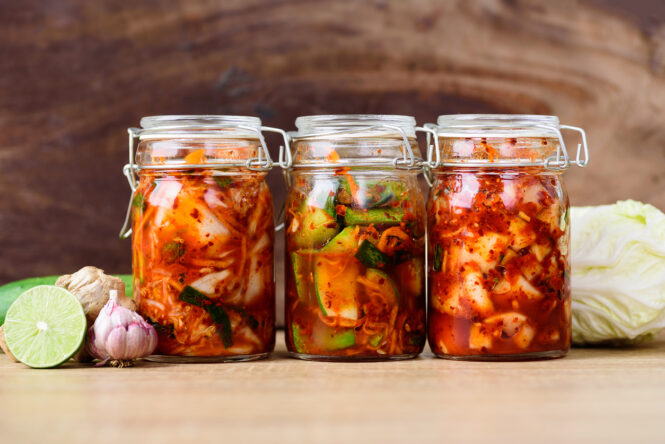
This first one might sound a bit unusual if you’ve never come across it, but kimchi is simply a fermented cabbage dish from Korea, a bit like a spicy pickle. Studies have found that people who eat it regularly are less likely to carry extra weight around their middle. The reason seems to be the friendly bacteria it contains, known as probiotics, which help keep the gut healthy and may play a part in weight control.
If kimchi sounds like a step too far, especially at breakfast, live Greek yoghurt does a similar job. Look for one with just milk and live cultures in the ingredients, since those are the bits that bring the gut benefit. It works brilliantly with fruit and a sprinkle of granola, or stirred through a potato salad in place of mayonnaise.
Cut back on added sugar.
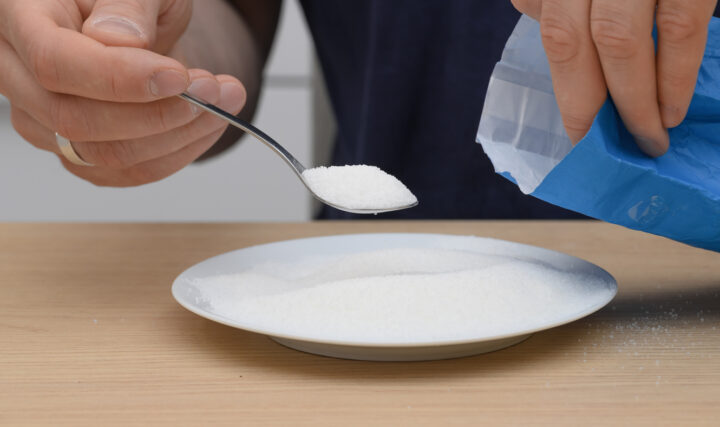
Sugar that’s added to food is one of the most consistent links to belly fat in the research. The big culprits are fizzy drinks, sugary breakfast cereals, biscuits, cakes, and most heavily processed snacks. This doesn’t mean you have to give up sweetness completely. The natural sugar in whole fruit comes wrapped in fibre and other useful nutrients, which slows down how quickly it hits your bloodstream. That’s a very different effect to swigging a sugary drink. \
A simple swap, like having a homemade berry crumble with oats and nuts instead of a shop-bought dessert, gives you the sweet hit without the sugar overload. Once you start checking labels, you’ll be surprised how much added sugar sneaks into things you wouldn’t expect, like sauces, soups, and yoghurts.
Get more protein on your plate.
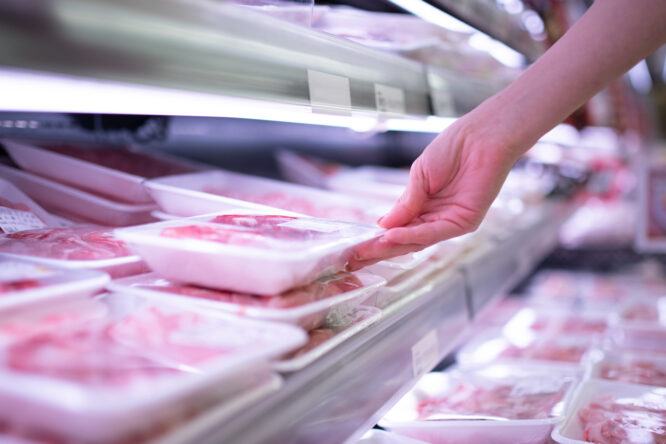
Protein is the nutrient your body uses to build and repair pretty much everything, from muscles to skin to hormones. Eating enough of it has been linked with carrying less fat around the middle. Good sources include eggs, fish, lean meat, dairy, beans, lentils, and nuts.
A few plant foods are especially handy because they contain all nine of the essential building blocks your body needs, including soya, quinoa, buckwheat, chia seeds and hemp seeds. A simple way to bump up your intake is starting the day with something protein-rich rather than a sugary cereal. A bowl of porridge made with milk and a spoonful of chia seeds, topped with banana, ticks plenty of boxes in one go.
Aim for 30 grams of fibre a day.

Fibre is one of the most underrated parts of any diet. It feeds the good bacteria in your gut, keeps your appetite steady, helps regulate blood sugar and even lowers cholesterol. The official UK recommendation is 30 grams a day, but most adults only manage around 19. The easiest way to close that gap is by making small swaps.
Wholegrain bread, pasta, and rice all bring far more fibre than their white versions. Leaving the skins on potatoes adds another little boost. Beans, lentils, hummus, nuts, and nut butters all push the numbers up too, and a humble bowl of baked beans on wholegrain toast genuinely counts. Just keep an eye on nut portions, since they’re calorie-packed and 30 grams is plenty in one sitting.
Have a daily cup of green tea.
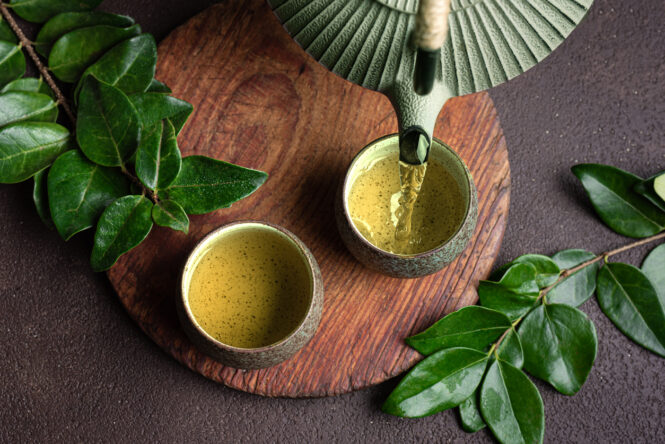
A daily green tea is a small habit that can quietly help with belly fat. The drink contains natural plant compounds called catechins, which appear to give your body’s fat-burning a little nudge. In one trial, people who drank a catechin-rich green tea daily for around three months saw a real drop in visceral fat.
If you’re not a fan of the taste, matcha is a more concentrated form of green tea that mixes nicely into porridge, smoothies or warm milk. Even one cup a day adds up over weeks and months, especially if you’re swapping out a sugary drink to make room for it.
Eat more omega-3 from oily fish.
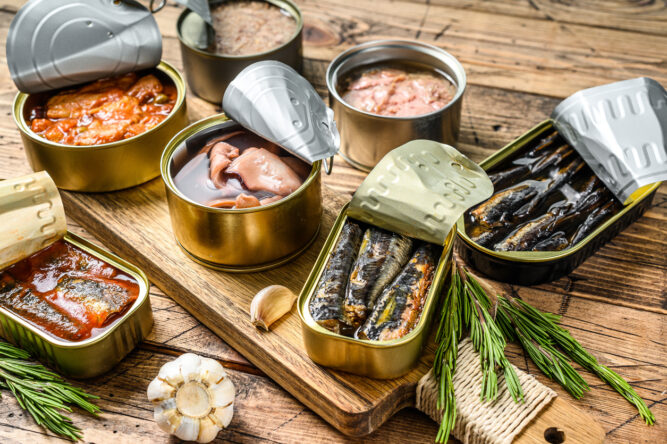
Omega-3 fatty acids are best known for their brain benefits, but there’s also evidence they help when it comes to losing belly fat, particularly when combined with a sensible diet. The reasons aren’t fully nailed down, but it looks like omega-3 may give your metabolism a small lift and help keep hunger in check.
The richest sources are oily fish like salmon, mackerel, trout, herring, and sardines. If fresh fish feels like a lot of effort, a tin of sardines mashed onto wholegrain toast with a squeeze of lemon and a little chopped onion makes a brilliant, ridiculously easy meal. Aim for a couple of portions of oily fish a week and your brain, heart, and waistline will all thank you.
Putting it all together as a daily routine

You don’t have to follow all six of these to the letter to see a difference, and dramatic overnight changes rarely stick anyway. A more realistic approach is to add one habit at a time. Start your day with live yoghurt or a high-protein breakfast, swap white pasta and rice for the wholegrain versions, cut a few obvious sugar bombs from your week, and add in some oily fish, beans or kimchi when you can.
Once those changes feel normal, layer on the next one. Tiny tweaks done consistently are what actually move the dial, and most people find their energy levels improve long before any change shows up on the scales.
Why food works better than fad diets for belly fat

There’s no end of products and plans promising to melt belly fat fast, and the honest answer is that almost none of them deliver what they claim. Spot reduction doesn’t really exist, and crash diets tend to bounce back the moment you stop them. What actually works is a steady, sustainable change in what you eat day after day.
The foods above are not punishment, they’re genuinely tasty everyday choices that happen to support your body in all the right ways. Eat them often, enjoy them, and let the changes happen quietly in the background. Your middle, and the rest of you, will be all the better for it.