Waking up and finding a deep, red dent pressed into your cheek is an incredibly frustrating way to start the day.

Most of us just laugh off these sleep lines as a temporary annoyance that’ll fade by the time we finish our morning coffee. However, dermatologist specialists warn that these lingering pillow prints are actually a massive warning sign regarding your skin’s underlying health and elasticity.
If your skin is taking longer and longer to bounce back after you get out of bed, it’s a clear indicator that your natural collagen levels are beginning to drop. If you want to stop these overnight creases from turning into permanent wrinkles, you need to change what happens before your head hits the sheet.
What pillow prints actually are

Pillow prints, sometimes called sleep creases, are the temporary lines that appear on your face after a night of pressing into a pillow. They tend to be most obvious in side sleepers and people who sleep face-down, since these positions put consistent pressure on the same areas of skin for hours at a time. The marks usually appear on the cheek, forehead, jawline or under the eye, depending on how you tend to rest your head.
For most of us, the lines fade within minutes of getting up and going about our morning routine. They’re harmless in themselves, but the way they behave over time can be a useful signal of how your skin is holding up. Some pillow prints disappear in seconds, while others can linger for an hour or more, and that difference matters more than you might think.
Why these marks aren’t as innocent as they look
Dermatologists have flagged that pillow prints can reveal genuine insights about your skin’s health and how it copes with pressure over time. The lines form because of repeated folding of the skin against a surface, which puts pressure on the same areas night after night. Over weeks, months and years, this constant pressure can leave behind more than just a temporary impression.
Skin that bounces back quickly from pillow creases is generally a sign of good elasticity and healthy collagen levels. Skin that holds onto the lines for longer in the morning may be hinting at slower recovery, often linked to reduced collagen production, dehydration or natural changes that come with age. If you’ve noticed your pillow lines hanging around for longer than they used to, your skin might be quietly asking for a bit more care.
The link to ageing skin
Prolonged and repeated pressure on the same parts of the face can impair circulation, which in turn affects collagen production over time. Collagen is what gives skin its strength, structure and bounce-back ability. As we age, our natural collagen production slows down anyway, and adding nightly pressure on the same areas can speed up the changes that lead to fine lines, wrinkles, and a slight sagging effect.
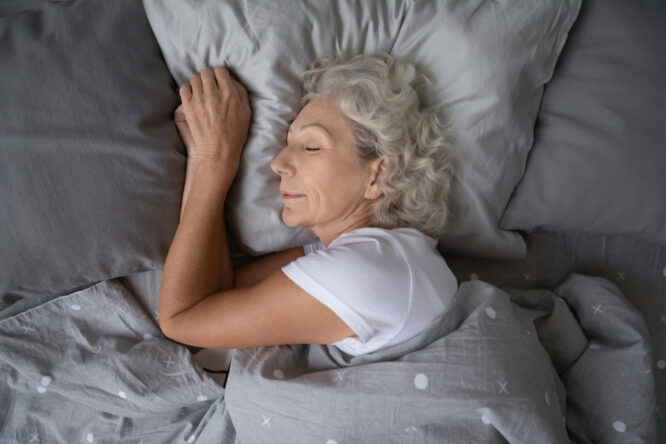
Many dermatologists have noticed that long-term side sleepers often show more visible signs of ageing on the side they favour. The skin on that side can develop deeper lines, slight asymmetry compared to the other cheek, or a more noticeably aged appearance over the years. It’s a slow, gradual process, but it’s a genuine one. The good news is that it can be slowed considerably with a few sensible adjustments.
Why your sleep position matters most
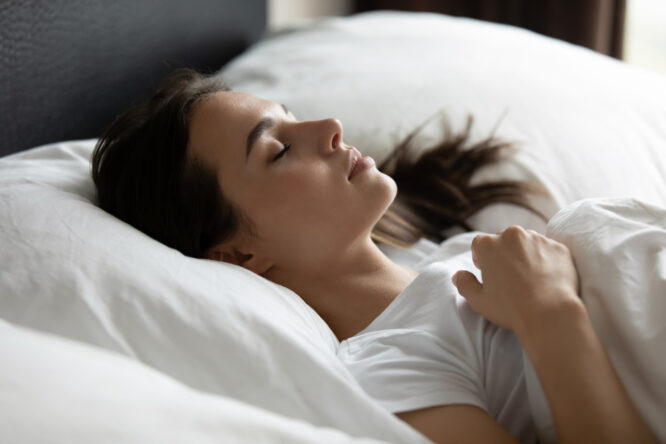
Sleeping on your back is widely considered the gold standard when it comes to preventing pillow prints and protecting the skin on your face. With your head facing upwards, there’s no direct pressure on the cheeks, forehead or jawline, which means no creasing and no impaired circulation in those areas. Back sleepers tend to wake up with smoother, less marked skin in general.
The trouble is that swapping sleep positions isn’t always practical. Plenty of people find back sleeping uncomfortable, struggle with snoring or sleep apnoea in that position, or just can’t drop off unless they’re curled up on their side. If switching is out of the question for you, there are still plenty of other steps you can take to reduce the impact on your skin.
Why your pillowcase makes such a difference
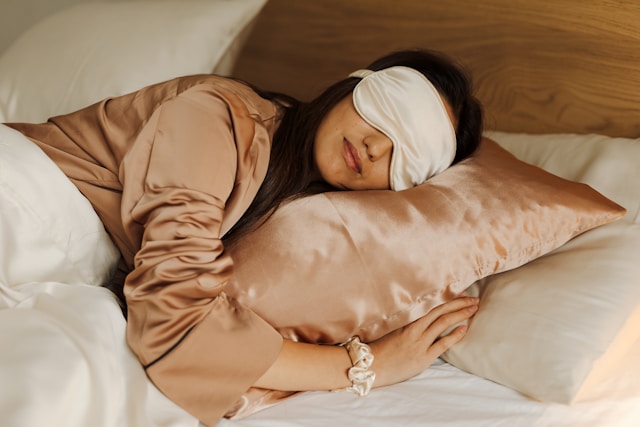
Standard cotton pillowcases, while breathable and easy to wash, create a fair amount of friction against the skin. This friction can deepen creases and pull on delicate facial skin throughout the night. Switching to a silk or satin pillowcase is one of the simplest tweaks you can make and one of the most genuinely effective.
Silk and satin allow your skin to glide across the surface rather than catching on it, which reduces the formation of deep creases. Silk in particular has the added benefit of being a natural fibre with minimal friction, decent breathability and a smooth texture that’s gentle on both skin and hair. UK retailers like John Lewis, Marks & Spencer and Amazon all stock silk pillowcases at a range of price points, from affordable satin options for under £15 to luxury mulberry silk versions that can run upwards of £80.
How detergent could be making things worse
Something that often gets overlooked is the impact of laundry detergent on skin health. Heavily fragranced or dye-rich detergents can leave residues on bedding that irritate the skin, particularly for anyone with sensitive or reactive skin. Combine that with hours of contact each night, and you’ve got a recipe for redness, breakouts and general irritation.
Switching to a fragrance-free, dye-free detergent designed for sensitive skin can make a noticeable difference. UK brands like Surcare, Ecover Zero and Persil Non-Bio all offer good options. It’s also worth washing your pillowcases more often than you might think, since they collect natural oils, sweat, residue from skincare products and bacteria over the course of a week. Most dermatologists recommend changing your pillowcase every two to three days to keep your skin happy.
The role of hydration

Well-hydrated skin recovers from pressure far more quickly than dehydrated skin. If your pillow prints take ages to fade in the morning, low hydration could well be playing a part. Drinking plenty of water throughout the day is the obvious starting point, but topical hydration matters just as much.
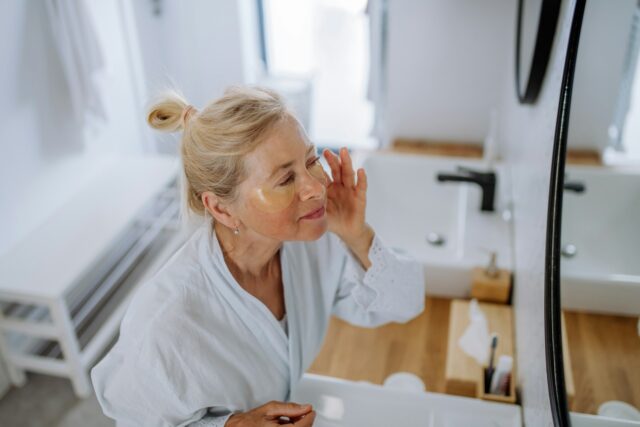
Using a good moisturiser at night helps lock in water and supports the skin’s natural barrier overnight. Look for ingredients like hyaluronic acid, glycerin and ceramides, all of which boost the skin’s moisture levels and support its recovery while you sleep. A simple, well-hydrated skin barrier bounces back from pillow creases far more easily and looks plumper and more youthful in the process.
Skincare ingredients that genuinely help
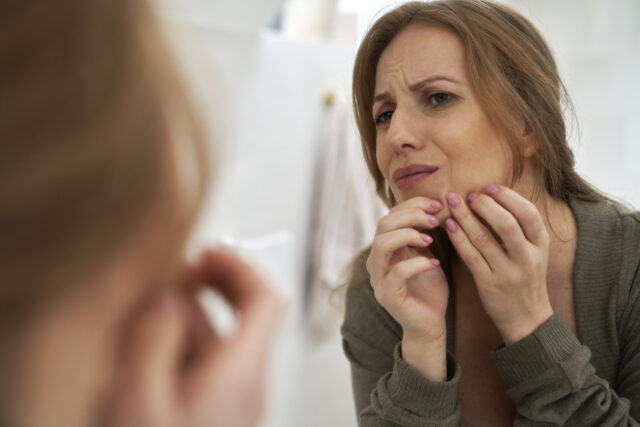
If you want to give your skin a fighting chance against the long-term effects of pillow prints, the right skincare ingredients can make a real difference. Retinol is the gold-standard ingredient for boosting collagen production and improving skin elasticity over time. It’s widely available in UK pharmacies, supermarkets and beauty shops, with options to suit every budget and every level of skin sensitivity.
Peptides are another brilliant addition to a nighttime routine, since they signal the skin to produce more collagen. Hyaluronic acid hydrates deeply, plumping the skin and helping it bounce back from creases. Vitamin C serums can also help by supporting collagen production and protecting skin from free radical damage. Building a sensible nighttime routine around two or three of these ingredients, rather than overloading your skin with everything at once, tends to give the best results.
Building a simple nighttime skincare routine
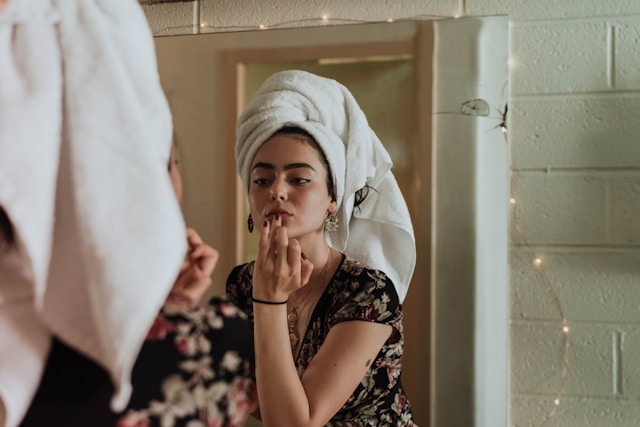
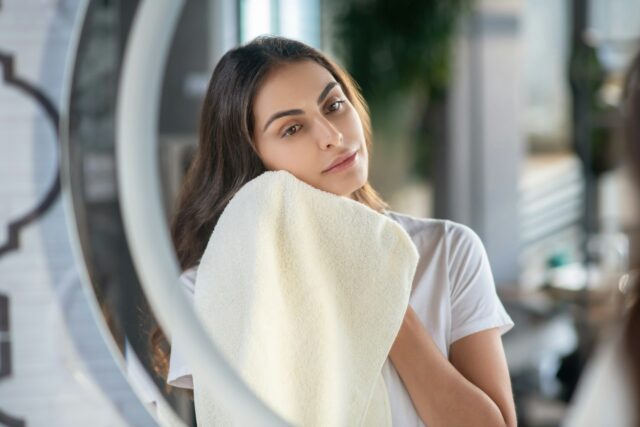
You don’t need a 10-step Korean skincare routine to look after your skin properly at night. A simple sequence done consistently usually beats an elaborate routine you only get round to twice a week. Start by cleansing your face properly to remove makeup, sunscreen, and the day’s grime. Pat dry with a clean towel rather than rubbing, since rubbing can pull at the skin and make creasing worse.
Apply a serum with active ingredients next, such as retinol, vitamin C or peptides, depending on your skin’s needs. Follow with a hydrating moisturiser to lock everything in. If your skin is particularly dry, or you live somewhere with hard water, consider adding a face oil on top to seal in the moisture. Avoid sleeping in heavy makeup or with skincare residue, since both can clog pores and lead to overnight breakouts on the side you sleep on.
Other small tweaks that help
There are a few other practical changes worth considering. Investing in a good quality pillow that supports your neck properly can reduce how much pressure ends up on your face. Pillows that are too high or too firm push your cheek into the fabric more aggressively, which deepens creases over time.
Sleeping with your hair tied loosely back can also help, since strands of hair pressing against your skin all night can add to the creasing and irritation. Make sure your bedroom is at a comfortable temperature and humidity level, too. Overly dry air, common in UK homes during winter when the central heating is on, can dehydrate your skin overnight. A small humidifier or a bowl of water near the radiator can help keep moisture levels more skin-friendly.
When pillow prints are worth worrying about
Most of the time, pillow prints are completely harmless and nothing to lose sleep over. But if you’ve noticed that yours are lasting much longer than they used to, becoming permanent fixtures or appearing alongside other skin changes like deepening wrinkles, sagging or dullness, it might be worth thinking about whether your skincare routine and lifestyle are supporting your skin properly.
For anyone who can’t change their sleep position, perhaps due to a medical reason like using a CPAP machine for sleep apnoea or being advised to sleep on one side by a consultant, the focus should be on protecting the skin as much as possible through pillowcase choice, hydration, and skincare. Even small changes stacked together can make a noticeable difference to how your skin behaves and how youthful it looks over time.