With the price of keeping the lights on still hovering at eye-watering levels, the impact across the UK is anything but equal.

While everyone is feeling the pinch, a handful of towns and cities are getting absolutely hammered because of a perfect storm of old, draughty housing and local wages that simply haven’t kept pace with the bills. It’s a grim reality for thousands of households where budgeting has moved past cutting out luxuries and straight into deciding which rooms are actually worth heating.
We’re not just looking at minor price hikes here, either. In these 10 specific spots, the cost of living has become a full-blown crisis that’s hollowing out the local economy. Before the next set of price caps land, it’s worth seeing exactly which parts of the country are being pushed to the breaking point by a system that seems to be leaving them behind.
Energy bills are heading up yet again.

The latest round of rising energy costs comes mostly from the war in Iran and the closure of the Strait of Hormuz, a major trade route that’s been pushing oil prices up sharply over the past few months. The most obvious effect has been at the petrol pump, where drivers have already been feeling the pinch when filling up.
The bigger worry for most households, though, is gas. That’s because that’s what heats the majority of UK homes. Gas prices have been climbing too, but most customers haven’t fully felt it yet because of the energy price cap, which limits how much suppliers can charge per unit. That’s about to change.
What’s coming with the next price cap?

Ofgem is expected to announce the new price cap on 27 May, covering the three months from 1 July to 30 September 2026, and a considerable rise in bills is widely expected. Energy UK has already warned that elevated gas prices since the start of the conflict are going to start showing up properly when the new cap kicks in.
So while the worst of it hasn’t reached most households yet, July is the point where the squeeze becomes very real, and the families who are already spending a big chunk of their income on energy are going to feel it the hardest.
How the analysis worked

The think tank Centre for Cities has crunched the numbers to work out which towns and cities are most vulnerable to rising energy costs. The analysis looked at the average share of household income, after tax, that’s currently spent on home energy bills and motor fuel in each area.
Areas with lower average incomes tend to spend a much higher percentage on energy, partly because they have less spare cash and partly because lower-income households tend to live in less energy-efficient homes. The national average works out at 6.7% of post-tax income spent on energy. The places most at risk are well above that.
The 10 towns and cities most vulnerable to rising costs
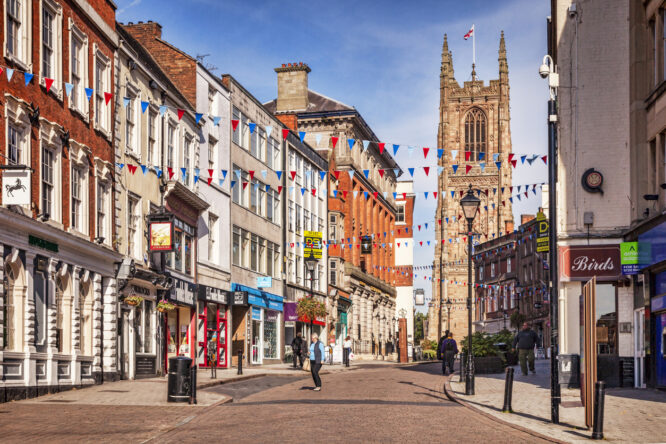
The places where households spend the highest share of their income on energy are mostly in the north and the Midlands. Burnley in Lancashire tops the list, with the average household spending 9% of post-tax income on energy. Doncaster and Derby aren’t far behind on 8.9% each.
Leicester comes in at 8.6%, with Northampton and Stoke both on 8.4%. Preston and Peterborough are tied at 8.2%. Bradford sits at 8.1%, and Barnsley rounds out the top ten on 8%. In each of these places, households are putting a hefty chunk of their take-home pay straight into keeping the lights on and the car running, and that share is going to grow when the next price cap rise kicks in.
The 10 places least affected

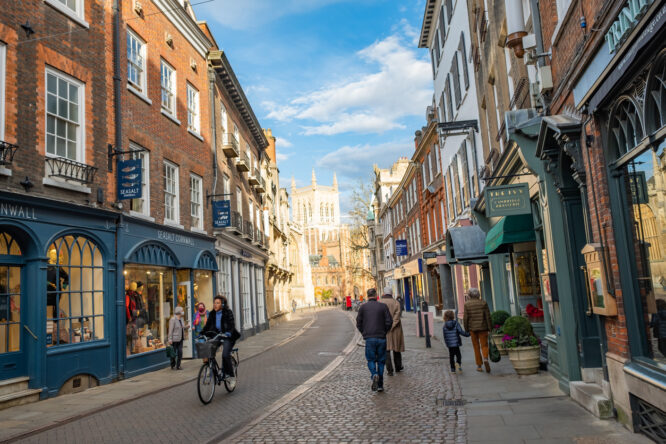
At the other end of the scale, the towns and cities least vulnerable to rising energy costs are concentrated in the south of England and Scotland. Cambridge comes in at the bottom, with the average household spending just 3.7% of post-tax income on energy, less than half what people in Burnley are spending. London is on 4.2%, Oxford on 4.8%, and Reading on 5%.
Edinburgh sits at 5.3%, with Aberdeen on 5.7% and Brighton on 5.8%. Worthing is at 5.9%, and Glasgow and Southend are tied on 6%. Higher household incomes in these places mean energy costs eat up a much smaller share of the budget, which makes any future rises far easier to absorb.
Why income is the real story here
The gap between Burnley at 9% and Cambridge at 3.7% is enormous, and most of that difference comes down to income rather than how much energy each household actually uses. Higher-earning households in places like Cambridge, Oxford, and London have more disposable income, which means even when their energy bills go up, the increase represents a smaller proportion of what they’re earning.
In lower-income areas, the same percentage rise in bills can mean genuine choices between heating and other essentials. Lower-income households also tend to live in older, less energy-efficient housing, which makes their bills higher to start with, before any price rises are factored in.
What it actually means in practice

The bigger the share of your income that already goes on energy, the harder a rise hits you. A household in Burnley spending 9% of their post-tax income on energy now might find themselves spending 10 or 11% after the next price cap rise, which is a meaningful chunk of the monthly budget.
A household in Cambridge spending 3.7% might see their share creep up to maybe 4.2%, which is uncomfortable but absorbable. The same percentage rise in unit prices doesn’t hit everyone equally, and that’s why the conversation around government support has focused on poorer households. They’re the ones for whom rising bills aren’t just annoying, but genuinely difficult to manage.
What you can actually do about it

None of this is fully within your control, but there are a few practical steps that genuinely make a difference. Comparing energy tariffs is worth doing if you haven’t in a while because the cheapest deal a year ago might not be the cheapest now. Smart meters can help you spot which appliances are quietly costing the most.
Small changes like washing at 30 degrees, turning the thermostat down by one degree, draught-proofing windows and doors, and only boiling the water you actually need all add up over a year. If you’re on a low income, check whether you qualify for the Warm Home Discount, the Cold Weather Payment, or any local council schemes because there’s often more support available than people realise. Citizens Advice can talk you through what you might be entitled to.
The next few months are going to be tough on households that are already stretched, especially in the towns at the top of this list. Knowing where you stand, what’s coming, and what you can do to soften the blow is genuinely useful, even if some of the changes are small.
The bigger picture is that energy is now a bigger share of the cost of living than most of us would like, and the parts of the country least able to absorb it are the ones being asked to. That’s a problem worth keeping an eye on, especially as the next price cap announcement draws closer.