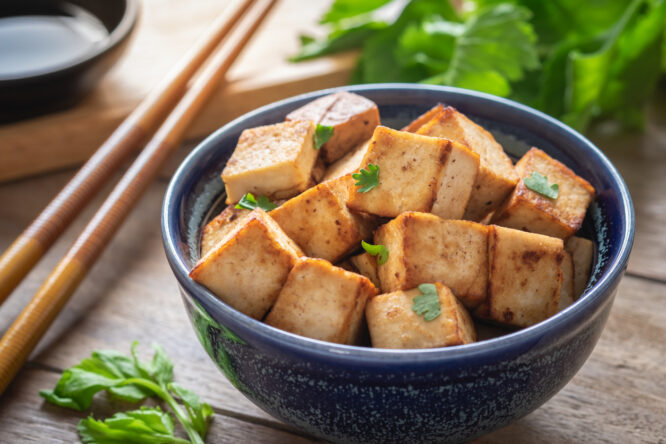
Plant-based milk used to mean one dusty carton of soya milk hidden in the corner of the supermarket fridge.
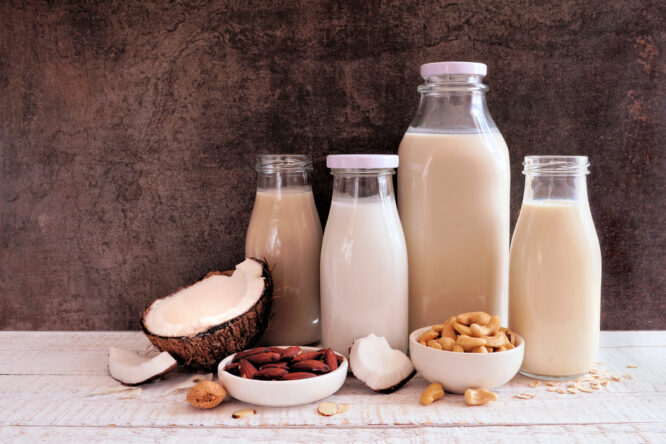
These days, there are entire shelves full of options, from oat and almond to pea, rice, coconut, and everything in between. For a lot of people, the choice isn’t just about being vegan anymore either. Some people are avoiding dairy because of allergies or digestion issues, while others simply prefer the taste or want something with a lower environmental impact.
The problem is that the different plant milks aren’t all built the same. Some are much better for protein, some work better in coffee, and some are far lower in calories. Others can contain more sugar than people realise. Even experts say there is no single “best” option overall because it depends entirely on what you actually want from it.
Soya milk is still considered the closest replacement for dairy milk.
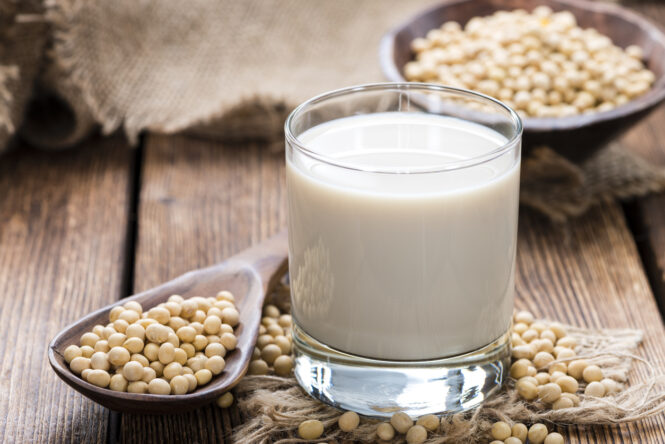
Nutritionists say soya milk is usually the strongest all-round option if you want something nutritionally similar to cow’s milk. It contains a similar amount of protein and is generally lower in saturated fat than dairy milk, too. That protein content stands out, since a lot of plant milks contain surprisingly little protein overall. Soya milk is often recommended for people switching away from dairy who still want something filling and balanced nutritionally.
The flavour is usually fairly neutral compared to some other alternatives, although different brands can taste very different from each other. Some are creamy and mild, while others have a stronger bean-like flavour that people either love or hate. Soya milk also tends to work well in cooking because it behaves more like dairy milk in sauces, baking and hot drinks. That’s one reason it remains so widely used, despite newer alternatives becoming trendier in recent years.
Oat milk became hugely popular because of coffee.
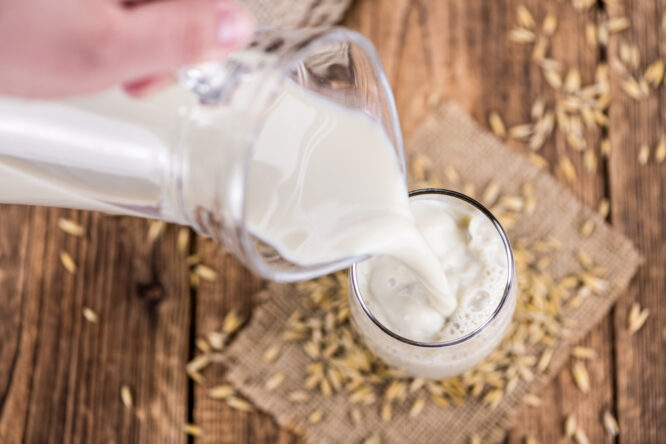
Oat milk has exploded in popularity over the last few years, especially in coffee shops. That mostly comes down to texture. Oat milk froths well, feels creamy, and blends smoothly into hot drinks without splitting as easily as some other plant milks.
For people who dislike the taste of soya milk, oat milk often feels like the easier option because the flavour is softer and slightly sweeter naturally. It also tends to pair well with tea, cereal, and desserts. However, nutritionists say oat milk isn’t necessarily the healthiest choice overall. It’s usually lower in protein than soya or pea milk and can contain more free sugars created during processing when oat starches break down.
That doesn’t automatically make it unhealthy, but it does mean people sometimes assume oat milk is nutritionally stronger than it really is because of how popular it has become.
Almond milk is popular partly because it’s very low in calories.
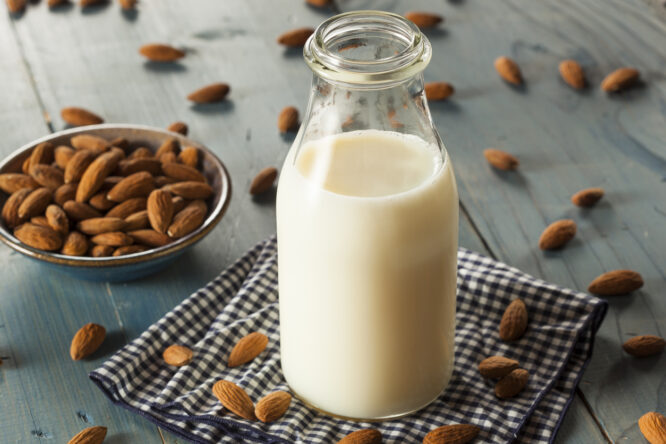
Almond milk is often chosen by people looking for a lighter option because it tends to contain fewer calories than most other plant milks. The flavour is usually slightly nutty, although the strength depends heavily on how many almonds are actually used in the product. Some cheaper versions contain surprisingly small amounts of almond overall.
Because it’s lower in protein and fat, almond milk can sometimes taste thinner than oat or soya milk. Some people enjoy that lighter texture, while others find it less satisfying in coffee or cooking. Environmental experts also point out that almonds require large amounts of water to grow. So while almond milk has lower greenhouse gas emissions than dairy milk, its water usage is often much higher than alternatives like oat or pea milk.
Rice milk is usually considered one of the weaker options nutritionally.
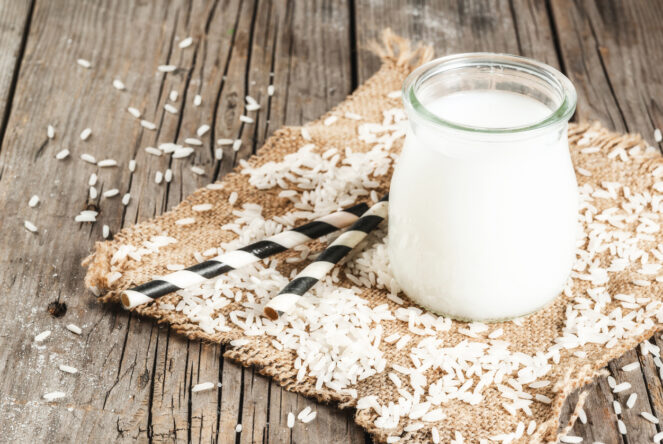
Rice milk is often described as sweeter and thinner than most other plant milks. Some people like it because the flavour is mild and unlikely to overpower drinks or cereal, but it doesn’t offer much nutritionally compared to alternatives like soya or pea milk. It’s generally low in protein and can contain more sugar and calories than people expect.
There’s also another issue with rice milk that parents are often warned about. Rice products can contain arsenic absorbed naturally from the environment, and rice tends to absorb more of it than many other crops. Because of that, rice milk is generally not recommended for children under five years old.
Pea milk has become one of the fastest-growing alternatives.
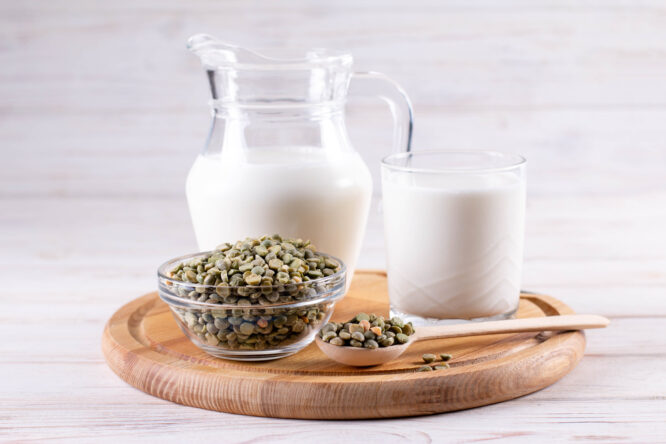
Pea milk sounds strange to some people at first, but experts say it’s actually one of the strongest nutritional alternatives currently available. It’s usually made using yellow split pea protein and contains protein levels similar to dairy milk. It’s also generally low in saturated fat.
Taste-wise, pea milk is often described as creamy and slightly sweet, without having the stronger bean flavour some people notice in soya milk. Environmental campaigners also rate pea milk very highly because peas require relatively low amounts of water and produce low greenhouse gas emissions compared to many other crops. That combination of protein and lower environmental impact is why pea milk has become increasingly popular in supermarkets over the last few years.
Fortified plant milks are usually the best option nutritionally.

One thing nutritionists repeatedly warn about is assuming all plant milks contain the same nutrients as dairy milk automatically. Cow’s milk naturally contains nutrients like calcium, iodine, and vitamin B12. Many plant milks only contain similar levels because those nutrients are added later during fortification. It’s worth checking labels carefully, especially if plant milk makes up a large part of your diet.
Fortified versions are usually recommended because they help replace nutrients people might otherwise lose when reducing dairy intake. Interestingly, some organic plant milks aren’t fortified at all because organic rules often restrict those additions. That means organic doesn’t always equal nutritionally better in this category.
Ultra-processed concerns are more complicated than you might think.
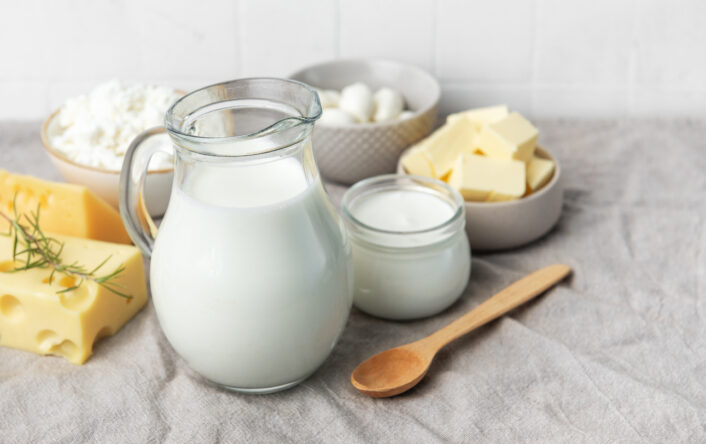
A lot of plant milks are technically considered ultra-processed foods because they contain stabilisers, emulsifiers, or flavourings not typically used in home cooking. That sounds alarming to some people, especially with growing concern around ultra-processed foods generally.
However, food scientists say the situation is more complicated than simply labelling all plant milk as unhealthy. Those added ingredients are often what help create a smoother texture, longer shelf life and consistency closer to dairy milk. The overall nutritional profile matters far more than the ultra-processed label alone.
Environmental impact varies a lot between different plant milks.

One of the biggest reasons people switch to plant milk is environmental concern. Experts generally agree that almost all plant milks have a lower climate impact than dairy milk overall, but there are still major differences between them.
Oat, soya and pea milk are usually considered among the best choices environmentally because they produce relatively low greenhouse gas emissions and require less land and water overall. Almond milk performs well for emissions but poorly for water use because almond farming can be extremely water intensive. Rice milk also scores less favourably environmentally because rice farming produces higher emissions than some other crops and uses large amounts of water.
That means people choosing plant milk mainly for environmental reasons may still want to look carefully at which type they buy.
There probably isn’t one single “best” plant milk overall.
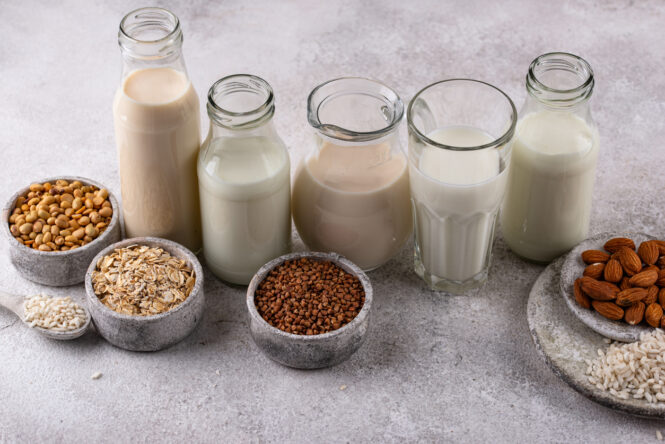
The best option usually depends on what matters most to you personally. If protein is the priority, soya and pea milk are often considered the strongest choices. If you mainly want something for coffee, oat milk tends to be the favourite. If lower calories matter most, almond milk usually comes out ahead. Environmental impact changes the rankings again, while taste preferences often vary massively from person to person anyway.
So while supermarket shelves now look more confusing than ever, the reality is much simpler than it first appears. Most plant milks are designed for slightly different purposes, and the “best” one usually depends on how you actually plan to use it.