Old wives’ tales have been passed around in the UK for generations, usually as quick bits of advice that sound just convincing enough to stick.

Some have a bit of truth behind them, others don’t hold up at all, and a few sit somewhere in the middle. The tricky part is telling which is which, especially when they’ve been repeated so often they start to feel like facts. If you think you’ve got a good handle on Britain’s lore, try to answer these questions and see how well you do.
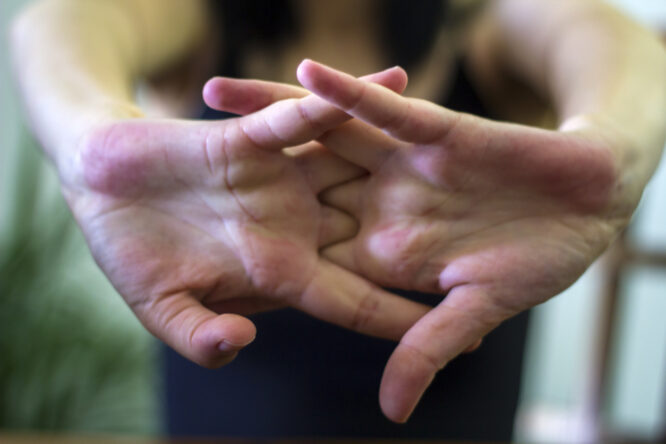
Does cracking your knuckles increase your risk of arthritis later in life?
A) True
B) False
It’s a habit a lot of people get told off for, usually with the same warning attached. The idea has been repeated for years and feels believable because it involves joints and long-term damage, even if most people have never looked into the evidence behind it.
Can eating cheese before bed affect your dreams?

A) True
B) False
Plenty of people swear by this after a late-night snack, especially when they’ve had vivid or strange dreams. It’s one of those ideas that feels oddly specific, which is often why it sticks, even though experiences tend to vary from person to person.
Does going out with wet hair make you more likely to catch a cold?

A) True
B) False
You’ll still hear this during colder months, often as a quick warning before someone leaves the house. It sounds logical because it links cold weather with illness, but the way infections actually spread isn’t always as straightforward as it seems.
Can carrots help improve your ability to see in low light?

A) True
B) False
This belief has been passed down for generations and is often treated as basic knowledge. It’s also been linked to wider ideas about diet and eyesight, which makes it feel more grounded than some other old sayings.
Does swallowed chewing gum stay in your digestive system for years?

A) True
B) False
The claim is memorable because it sounds so extreme. It’s often used as a warning, especially for children, which helps it stick, even if most people have never questioned what actually happens.
Can sitting in a cold draught weaken your immune system enough to make you ill?

A) True
B) False
This comes up a lot in everyday conversation, particularly when someone leaves a window open or sits near a door. It’s often repeated casually, but there’s rarely much explanation behind why it would work that way.
Does shaving hair change how thick or dark it grows back?

A) True
B) False
Many people feel like they’ve seen this happen themselves, especially after shaving for the first time. That experience is usually what keeps the idea going, even if appearances can be misleading.
Can eating late at night lead to weight gain even if your calorie intake stays the same?

A) True
B) False
This tends to come up in diet advice and conversations about metabolism. It sounds simple enough, but it’s often mentioned alongside other factors that make the full picture less clear.
Can touching toads or frogs cause warts?

A) True
B) False
This belief has been around for a long time and is often tied to older ideas about animals and health. It’s one of the more familiar sayings, even if people don’t always know where it started.
Can drinking hot drinks in hot weather help cool your body down?

A) True
B) False
At first, this sounds completely backwards, which is why it catches people off guard. It’s often discussed in relation to how the body responds to temperature rather than the drink itself.
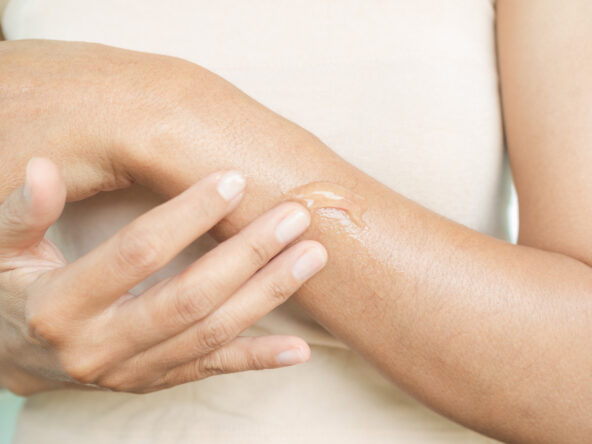
Does applying butter or oil to a burn help it heal faster?
A) True
B) False
This is a classic home remedy that many people remember being told growing up. It’s often passed down without much explanation, which is why it still gets mentioned today.
Can reading in low light cause permanent damage to your eyesight?

A) True
B) False
This warning comes up a lot, especially when reading at night. It’s usually linked to the idea of eye strain, but people often assume that strain automatically leads to long-term damage.
Does eating an apple a day significantly reduce your chances of needing medical care?

A) True
B) False
This saying has been repeated for decades and is often taken quite literally. It’s simple, memorable, and easy to believe, which is why it’s stuck around for so long.
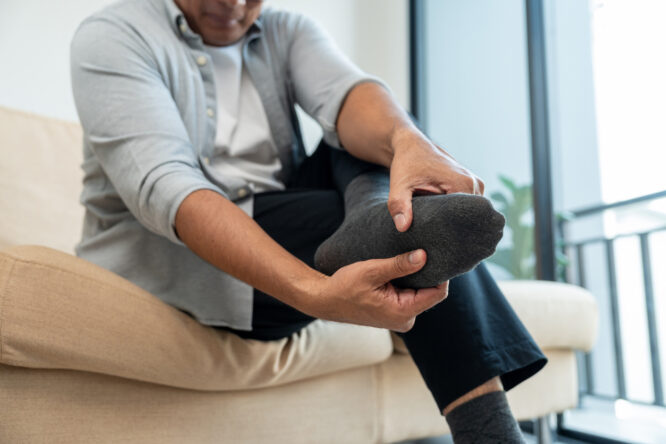
Can changes in weather pressure affect joint pain?
A) True
B) False
Some people feel strongly about this based on their own experience, especially with long-term aches or conditions. It tends to come up whenever the weather changes suddenly.
Was it once believed in parts of the UK that leaving eggshells unbroken could bring bad luck or invite harm?

A) True
B) False
This comes from older UK folklore and reflects how people once explained everyday events through superstition. Many of these beliefs were widely accepted at the time, even if they seem unusual now.
Answers

1. B
2. A
3. B
4. A
5. B
6. A
7. B
8. B
9. B
10. A
11. B
12. B
13. A
14. A
15. A