We all know we’re meant to drink more water, but the idea that everyone needs the same amount every day doesn’t really hold up.
Most of the advice about drinking 8 glasses of water a day is a bit of a myth that doesn’t account for the fact that a 20-year-old athlete and a 70-year-old retiree have completely different needs. As you get older, your body’s thirst alarm actually starts to get a bit faulty, meaning you can be running low on fluids long before you even feel like reaching for a glass.
Staying hydrated does more than just help you avoid a headache. Getting the balance right is what keeps your brain sharp and your kidneys doing their job properly as the decades pass. With that in mind, these are the actual numbers you need to hit at every stage of life so you can stop guessing and start staying properly hydrated without spending your entire day hovering near a toilet.
Why the old “eight glasses a day” rule doesn’t hold up anymore (if it ever did).
The idea that everyone should drink the same amount each day stuck around because it’s simple, not because it’s accurate. Your hydration needs change depending on your body, your activity, and even the temperature around you. Someone who is more active or spends time outdoors will naturally need more fluid than someone sitting indoors most of the day.
Your body is also constantly using water through breathing, digestion, and everyday functions you don’t notice. That means hydration doesn’t mean simply hitting one fixed number. It’s about replacing what your body uses across the day, which is why newer advice focuses on flexible ranges instead.
How much water younger children actually need
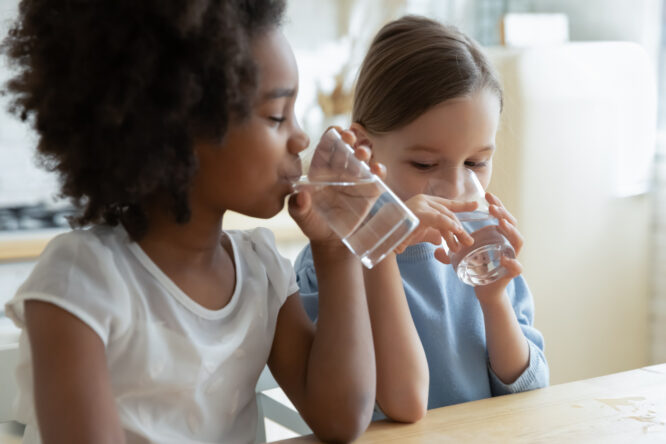
For younger children, around 1.2 litres a day is often suggested as a general guide. That’s lower than adults, but still important because children can lose fluid quickly, especially when they’re active or distracted and not thinking about drinking.
The bigger issue at this age isn’t the exact amount, it’s consistency. Children don’t always recognise thirst properly, so they won’t always ask for a drink when they need one. Regular fluids spaced through the day tend to work much better than waiting for thirst to kick in.
Why teenagers need more than people expect
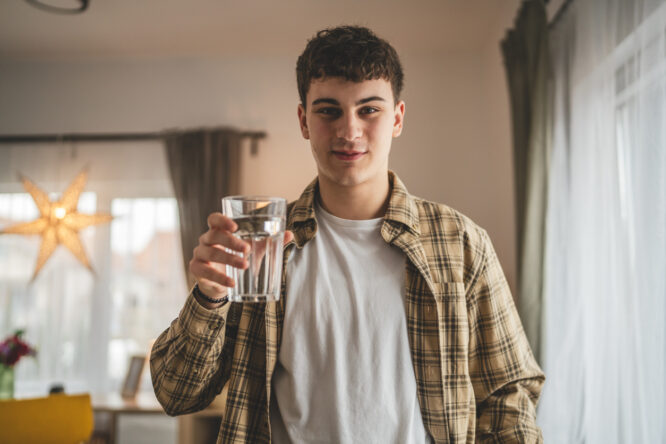
As children move into their teenage years, hydration needs increase. Growth, hormonal changes, and higher energy use all place more demand on the body, which means more fluid is needed to keep things working properly.
There isn’t always one exact number for teenagers, but they often need close to adult levels. At this stage, dehydration can show up as tiredness, low energy, or poor concentration, which makes it easy to miss because it doesn’t feel like a hydration issue.
What most adults should realistically aim for
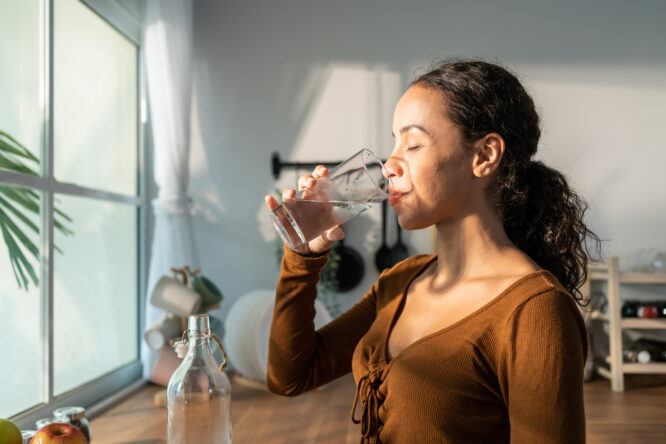
For adults, general guidance usually sits around 1.6 litres a day for women and roughly 2 litres for men. These aren’t strict targets, but they give a solid baseline that most people can adjust depending on their routine and activity levels.
What matters more than the number is how you drink it. Spreading your intake across the day works better than trying to catch up all at once. Your body absorbs fluids more steadily this way, which helps maintain balance rather than causing short spikes.
Why hydration gets harder as you get older.
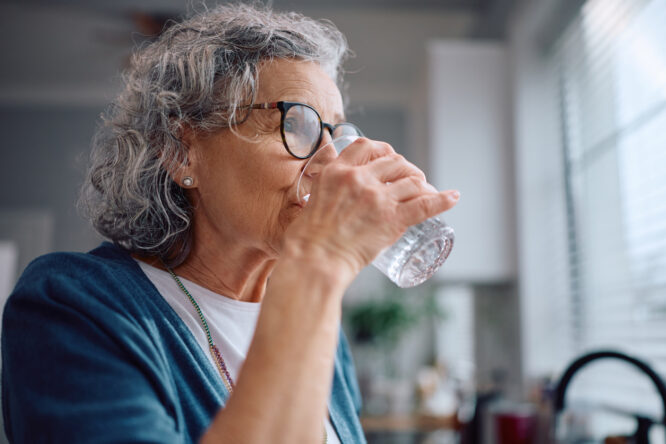
For older adults, the recommended amount doesn’t change much, but the way your body responds does. The sense of thirst becomes less noticeable with age, which means it’s easier to go longer without drinking than you should. As a result, hydration becomes more about routine than instinct. Drinking regularly, even when you don’t feel thirsty, helps prevent dehydration building up slowly over time without you realising it.
What dehydration actually feels like day to day
Dehydration doesn’t usually show up in obvious ways. It often starts with headaches, low energy, dry mouth, or struggling to concentrate. These symptoms are easy to ignore because they overlap with everyday issues like stress or lack of sleep.
That’s what makes it hard to spot at times. You can feel slightly off without linking it to what you’ve had to drink, which means it can go unnoticed for longer than it should and gradually affect how you feel overall.
Why hydration isn’t just about water

Staying hydrated isn’t only about drinking water. Drinks like tea, coffee, and milk all contribute to your daily fluid intake, even if they contain caffeine, which people often assume cancels it out. Food also plays a role. Fruit, vegetables, and soups contain a high percentage of water and can add more than you realise. Looking at hydration this way makes it easier to maintain without forcing extra intake.
How to tell if you’re drinking enough

One of the simplest ways to check hydration is urine colour. Pale yellow usually means you’re well hydrated, while darker shades suggest you need more fluids throughout the day. You can also look at how you feel. Steady energy, clearer focus, and fewer headaches are all signs your intake is about right, which is often more useful than tracking exact amounts.
Why drinking more isn’t always better
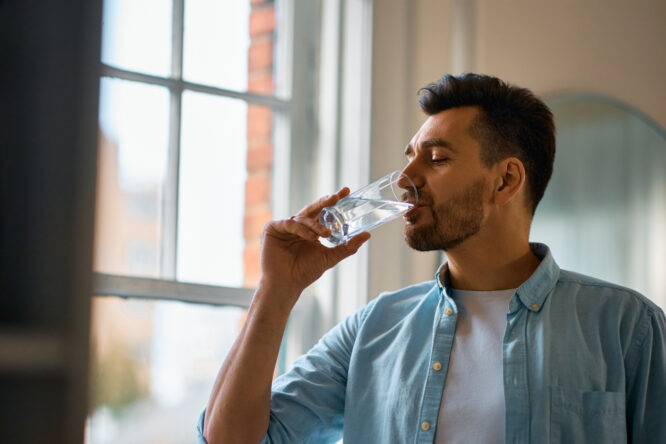
It’s easy to think more water is always better, but your body works best within a certain range. Drinking far more than you need doesn’t improve how you feel and can sometimes disrupt balance. Hydration is about replacing what your body uses, not going far beyond it. Drinking steadily across the day tends to work best, helping your body maintain a consistent level rather than spikes.