Donating clothes feels like one of the easiest ways to do something good.
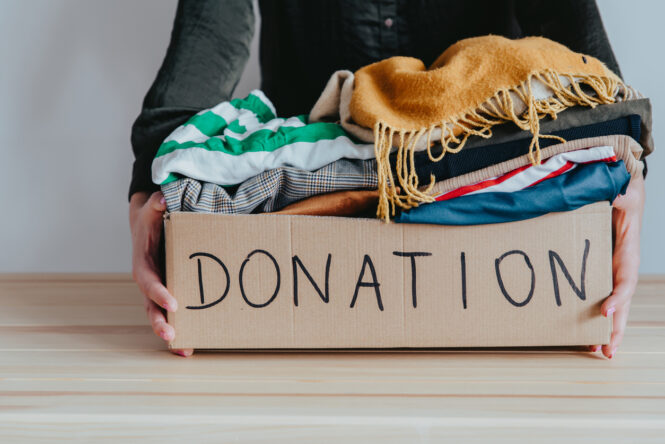
Unfortunately, the reality of the global second-hand clothing trade is a lot messier, and often a lot more damaging, than the recycle and reuse slogan suggests. Behind that simple act of giving lies a massive, complex industry where only a tiny fraction of your old gear actually ends up on a local rack.
Before you clear out your wardrobe again, you should know what really happens to those bin bags once they leave your hands and why your “good deed” might be part of a much bigger problem.
Charities are struggling to keep up with donations.
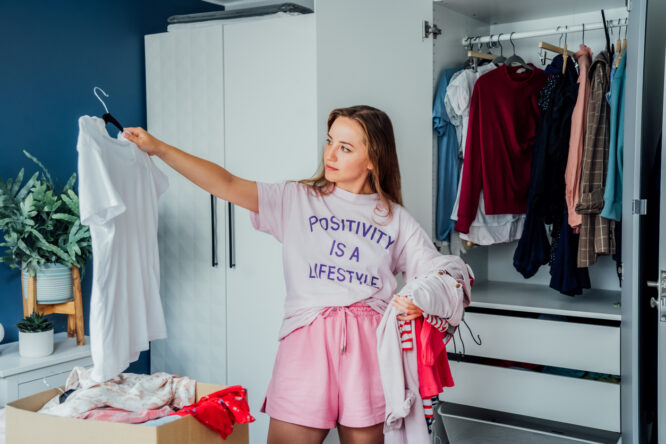
Charity shops aren’t short on clothes. In fact, they’re dealing with far more than they can realistically sell. That’s not because people are suddenly donating more thoughtfully, but because people are buying more clothes overall, especially with fast fashion making items cheaper and easier to replace. As a result, donations keep rising, but demand doesn’t match it.
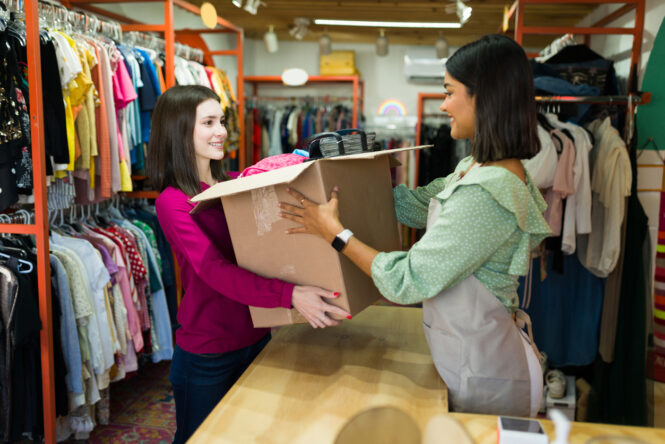
Most people picture their clothes going straight onto a rack and being bought by someone else. In reality, only a small portion ever makes it that far. Charities have to sort through huge volumes, picking out what’s sellable and moving the rest on quickly because they simply don’t have the space or time to hold onto everything.
What happens to the clothes that don’t get sold
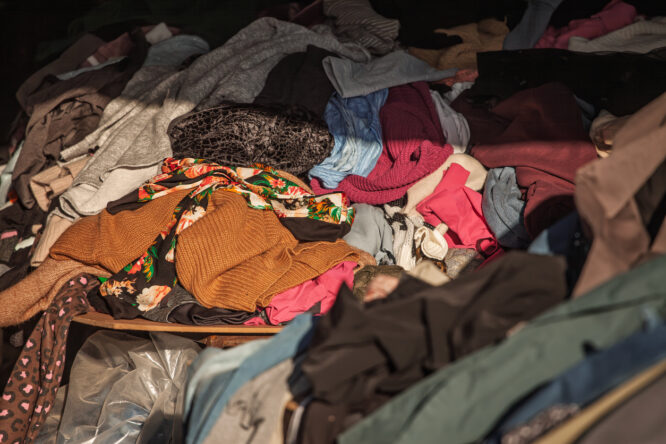
When items can’t be sold locally, they don’t just disappear. Many are bundled up and sold in bulk to textile traders, who then ship them overseas. These shipments often end up in countries across Africa, South America, and parts of Asia, where second-hand clothing markets are common.
On the surface, that sounds like a positive outcome. Clothes are reused, and people can buy them at lower prices. Sadly, the reality is more complicated. The volume of clothing being sent is so high that it often overwhelms local markets, meaning not everything can be sold or reused.
Oversupply turns donations into waste.
When too many clothes arrive in one place, a large share ends up unsold. At that point, they stop being useful goods and start becoming waste. In some regions, this has led to visible piles of discarded clothing, with items ending up in landfill sites or left in open areas.
This creates a problem that’s been shifted somewhere else rather than solved. Instead of reducing waste, the system moves it from one country to another. For people donating with good intentions, this part of the story is rarely visible, which is why the issue keeps growing.
The impact on local communities and businesses can’t be ignored.
There’s also an economic side to this that doesn’t get talked about much. When large amounts of second-hand clothing enter a market, it can make it harder for local clothing producers and sellers to compete. Cheaper imported items can dominate, leaving less room for locally made products.
In the long run, that can affect jobs and local industries, especially in places where textile production would otherwise provide income. What starts as a donation meant to help can end up disrupting the balance of local economies in ways people don’t expect.
The real issue isn’t donating, it’s overconsumption.
The biggest driver behind all of this isn’t charity shops or recycling systems, it’s how much clothing is being produced and bought in the first place. Fast fashion has made it normal to buy more, wear items less, and then move them on quickly. Donations have become part of that cycle rather than a solution to it.
That means the system is constantly dealing with more clothes than it can handle. Even the best recycling or resale efforts struggle to keep up when the flow of new items keeps increasing.
What donating still does well, and where it falls short

None of this means donating clothes is a bad thing. It still helps charities raise money and gives many items a second life. For good-quality, wearable clothes, it can absolutely make a difference. However, it’s not the full answer to clothing waste. When donations are treated as a way to clear out fast fashion habits, the impact is limited. The system can only reuse so much, and beyond that point, the excess has to go somewhere.
Small changes in habits matter more than people think.
The biggest difference comes before clothes are donated. Buying less, choosing better quality items, and wearing them for longer reduces the pressure on the system. It slows down the cycle that leads to oversupply in the first place.
When people think more carefully about what they buy and how long they keep it, donations become more meaningful rather than just more frequent. It doesn’t require a complete lifestyle change, just a bit more awareness of how the whole system works.