Most people treat the hoover like a chore that needs finishing before the kettle even has a chance to boil.
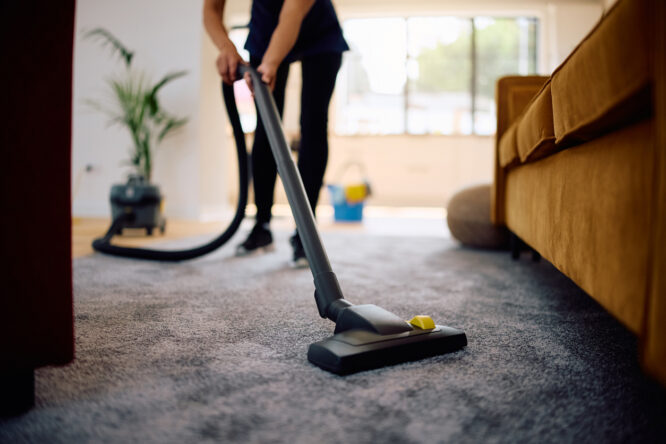
However, a new social media trend shows that people are doing the complete opposite, moving across the carpet with a level of patience that’s almost hypnotic. They’re not just getting the crumbs up; they’re actually paying attention to the process and the straight lines left behind, bit by bit.
It might look a bit odd at first, but there’s a reason it’s taking over social media feeds. By slowing down the pace, a standard Sunday morning task becomes a rare moment to actually switch off from the chaos of the week. Not only that, but it can apparently give your home a much deeper clean.
For once, the term is exactly what it sounds like.
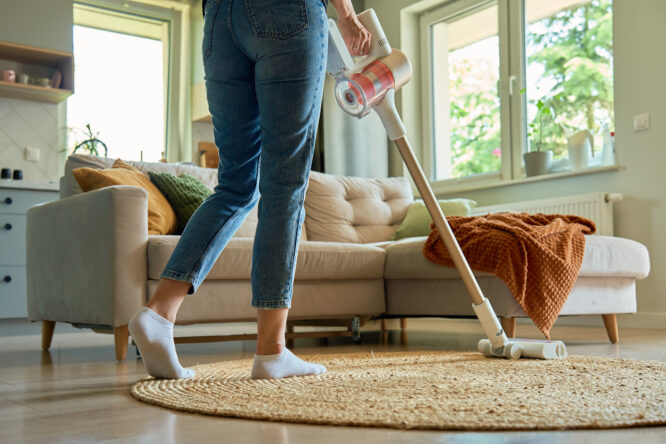
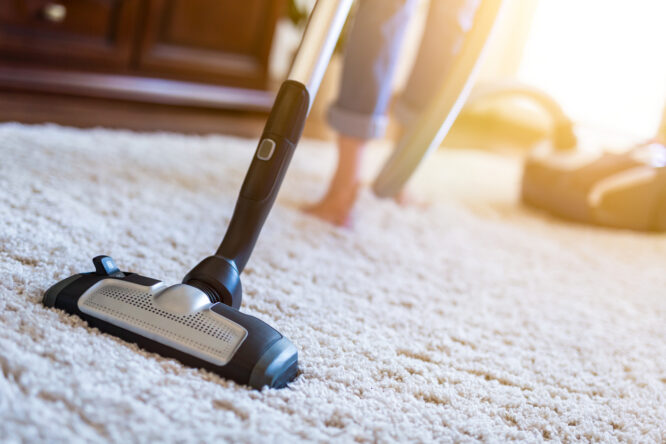
Instead of whizzing the vacuum back and forth across the carpet at top speed and calling it done, you take your time, dragging the head slowly over each small section for around 20 to 30 seconds. That’s it. There’s no fancy technique, no special equipment, and no overpriced product to buy. The whole point is just slowing right down.
The trend has been bubbling away on TikTok and Instagram since 2021, but it’s properly taken off recently, with one video from March hitting over 13 million views and global searches for “slow vacuuming” peaking at the same time. The big draw on social media is the satisfying close-up shot at the end, where people empty their dust container and reveal a frankly disturbing amount of debris pulled out of a single room.
People swear it works.
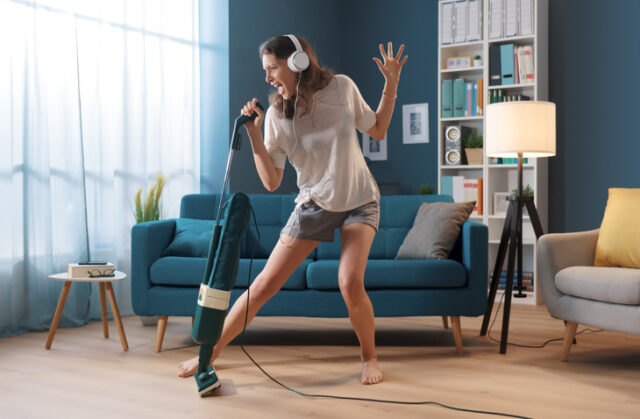
The fans of slow vacuuming say their carpets feel cleaner, lighter, and even smell fresher after they switch to the method. The logic behind it is fairly straightforward. When you whizz a vacuum across the floor, the head barely has time to do its job before you’ve moved it on. Going slowly gives the brushes and suction proper time to lift dirt out of the carpet fibres, rather than just skimming what sits on top.
People who’ve tried it report that they actually need to vacuum less often because the deeper clean each time means the carpet stays cleaner for longer. Some have also noticed less dust in the air around the house and fewer allergy flare-ups, which makes sense if the vacuum is finally pulling out the fine particles that used to get stirred up and resettle.
What the experts say about it
Cleaning specialists generally agree that there’s something to it. Most people could probably do with slowing down their vacuuming because vacuums actually need a gentler pace to do their best work. The head needs time to agitate the fibres, loosen the dry particles trapped between them, and then suck them up properly.
If you move too fast, the brushes don’t have time to do that agitation, and you end up with a carpet that looks vacuumed but isn’t really clean underneath. One operations manager at a carpet cleaning company put it pretty plainly when he said it’s straightforward really, the head needs to actually do its job, and that takes time.
There’s a catch that nobody on TikTok mentions.
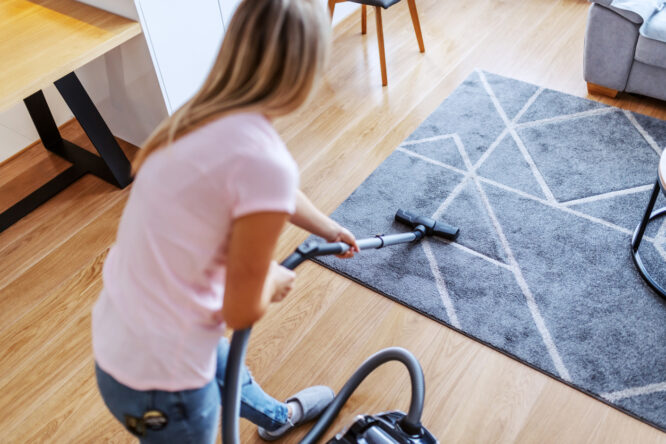
Here’s the bit the satisfying dust videos tend to gloss over. A lot of what’s coming out of the carpet in those clips isn’t dirt at all, it’s fibre. Vacuums are designed to agitate carpets, and the longer and more often you do that, the more the carpet itself starts to break down. Slow vacuum every single day, and you’ll wear your carpets out much faster than they were ever meant to last.
Experts have warned that doing it too often can cause carpets to fray, thin, and look tired well before their time. The rule of thumb is that slow vacuuming is a good method, but it’s not something to do on every floor every day. Once a week is plenty for most carpeted rooms.
It’s possible to do it without ruining your carpet.
The trick is using slow vacuuming as a deeper, occasional clean rather than a daily routine. Pick the rooms that get the most use, like the living room, bedroom, or hallway, and slow vacuum those once a week. The rest can have a normal once-over in between.
When you do slow vacuum, work in small sections of about a foot square, going over each one for 20 to 30 seconds before moving on. Vacuum both with and against the direction of the carpet pile, because that moves the fibres around and helps dislodge dirt from underneath, rather than just shuffling it about on top. It also stops the carpet from developing that worn, flattened look in the spots you always run the vacuum over.
Your vacuum needs to be working well for this to be a thing.
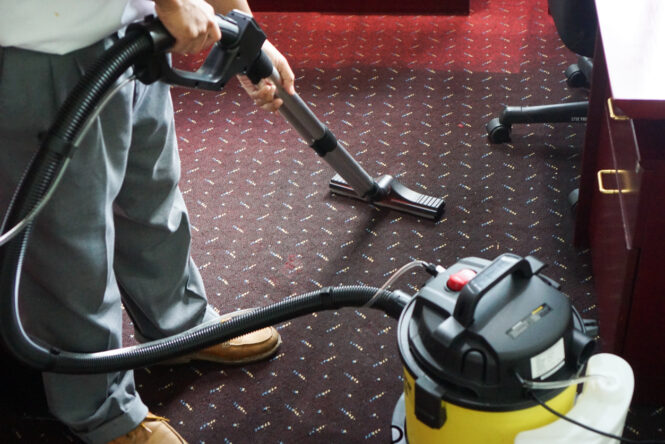
Slow vacuuming only works if your vacuum is actually working properly. A clogged filter or a full bag will completely undo all the time and effort you’re putting in. Empty the dust container regularly, ideally before it gets even close to full, since suction starts to drop long before it looks completely stuffed.
Wash or replace the filters when the manufacturer recommends, and check the brush bar for hair and threads, which can wrap around it and stop it from spinning properly. A vacuum that hasn’t been cleaned in months won’t pick up much, no matter how slowly you push it. The whole point of slow vacuuming is to give the machine time to do its job, but it can only do that job if you’ve kept it in decent shape.
Dirt prevention matters more than the method when it comes to vacuuming.
The honest truth, according to most cleaning experts, is that the best thing you can do for your carpets isn’t the way you vacuum, it’s stopping dirt from getting onto them in the first place. Taking shoes off at the door is the single biggest change you can make because most of what ends up ground into your carpet has been walked in from outside.
Dust mats inside and outside the door catch a lot of what would otherwise make it onto your floors. Regular dusting of surfaces like skirting boards, shelves, and windowsills also helps, as dust that doesn’t settle on furniture eventually settles on the carpet. No vacuum, slow or fast, can do as much as preventing the mess in the first place.
So, is this trend worth your time?
If you’re genuinely fed up with how quickly your carpet looks dingy again after vacuuming, slow vacuuming is worth trying. It’s free, it doesn’t require any new kit, and the results in the dust container are usually pretty convincing. Just be sensible about how often you do it.
Once a week in the rooms that need it, with a normal vacuum the rest of the time, is the sweet spot for most households. Daily slow vacuuming might give you the most satisfying social media content, but your carpet will pay the price within a year or two. Used properly, though, it’s one of those small habit changes that genuinely makes your home feel a bit cleaner without costing a thing.
Slow vacuuming isn’t really a trend, it’s just vacuuming done properly. The reason it feels new is that most of us were never really taught how to do it, and we ended up with the rushed back-and-forth approach that doesn’t really clean anything. Slowing down works, the experts agree it works, and the dust container will quickly tell you it works. Just don’t do it so much you wear your carpet out before its time. Once a week, in the rooms you actually live in, is more than enough.