Most of us only think about our tyres when it’s time for the MOT or a light pops up on the dashboard, but a simple oversight could end up costing you more than the car is worth.
Most of us think that as long as there’s a bit of tread left, you’re fine to keep driving, but the police and insurance companies are becoming much stricter about how they define a safe vehicle. We’re not talking about a minor slap on the wrist; if you’re caught with bald or damaged rubber on all four corners, those individual fines can stack up into a life-changing £10,000 bill.
That’s a massive price to pay for something that takes 2 minutes to check with a 20p piece, yet thousands of people are still risking their bank balances and their licences every day. Getting a grip on the specific legal limits is the only way to make sure a routine stop doesn’t turn into a total financial disaster.
Tyres are the often overlooked car part that could cost you thousands.
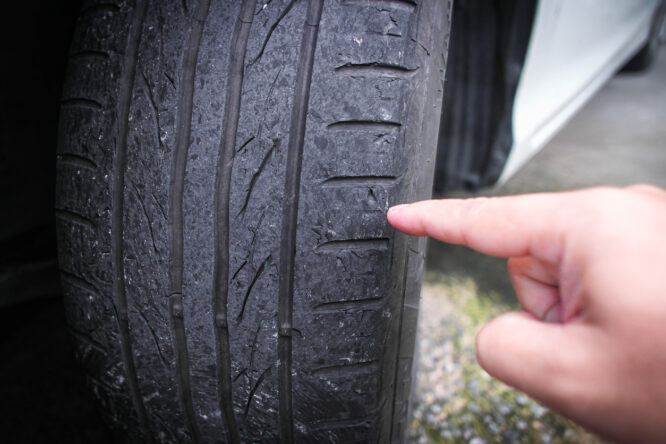
Admittedly, most people don’t think about their car tyres until there’s an obvious problem. However, tyres are one of the most strictly regulated parts of a vehicle, and failing to keep them in proper condition can lead to serious consequences.
In the UK, driving with illegal tyres can result in fines of up to £2,500 per tyre, along with penalty points on your licence. That means if all four tyres are found to be unsafe, the total cost could reach £10,000, which is where this headline figure comes from.
Summer makes tyre problems more likely.

Warmer weather might feel easier on your car, but it can actually increase strain on your tyres. Long motorway journeys, higher speeds, and heavier loads from luggage or passengers all add pressure. Heat also plays a role. As temperatures rise, the air inside tyres expands, which can affect pressure levels and wear patterns. In the long run, this can make existing issues worse, especially if tyres are already worn or not properly inflated.
What makes a tyre illegal in the UK?
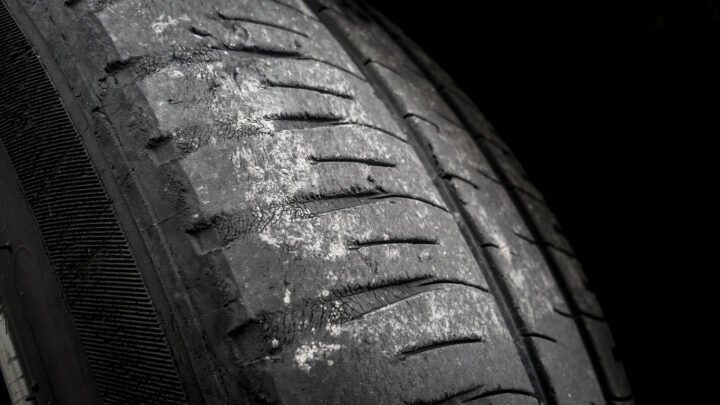
The most common issue is tread depth. UK law requires a minimum tread depth of 1.6 mm across the central three-quarters of the tyre. Anything below that is considered illegal and unsafe, but it’s not just about tread. Tyres can also be illegal if they have visible damage, such as cuts, bulges, or exposed cords. Even if the tread looks acceptable at a glance, structural damage can still make a tyre unsafe to use.
Drivers end up facing the highest fines.

Many drivers assume they’ll only be penalised for one faulty tyre, but each tyre is treated as a separate offence, which is why fines can build up quickly if multiple tyres are below standard. If a vehicle is found to have several illegal tyres during a stop or inspection, penalties are applied individually. What seems like a minor issue can quickly turn into a much larger financial problem.
This issue is easy to miss if you’re not specifically checking for it.

Tyres don’t always show obvious signs of wear, especially if they’re not checked regularly. From a quick glance, they can look fine even when they’re close to the legal limit. Many drivers rely on MOT tests as their main checkpoint, but tyres can wear down quickly between inspections. That gap is where problems often go unnoticed until they’re picked up in a check.
There’s a link between tyre condition and safety.

Tyre condition has a direct impact on how safely a vehicle performs, particularly in wet conditions. Worn tyres reduce grip, increase stopping distances, and make it harder to maintain control. This becomes more important during summer travel, when longer journeys and unfamiliar roads already increase risk. Poor tyres add another layer of danger that’s easy to avoid with basic checks.
Simple checks can prevent major problems.
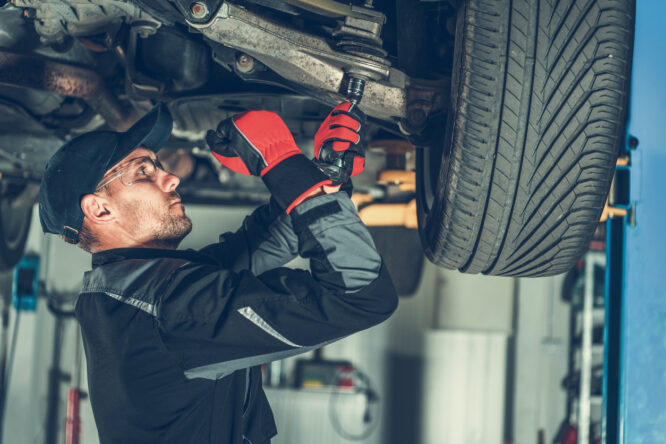
Keeping on top of your tyres doesn’t take long, but it does need to be done regularly. Checking tread depth, pressure, and visible damage can quickly highlight any issues. A simple way to check tread depth is the 20p coin test. If the outer band of the coin is visible when placed in the tread, it’s a sign the tyre may be below the legal limit and should be looked at more closely.
Tyre pressure is one of the most important elements of your car running smoothly and safely.
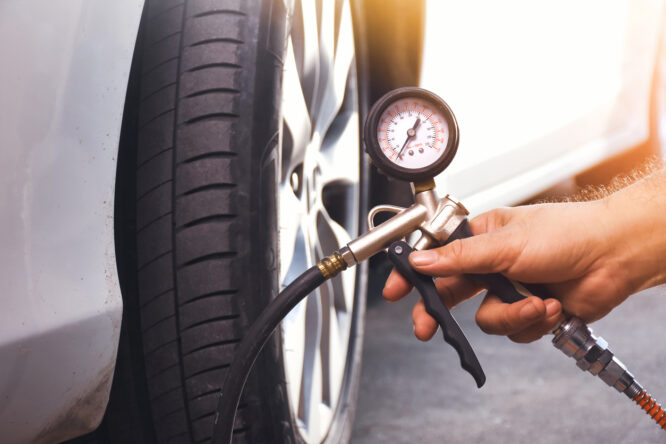
Correct tyre pressure plays a big role in both safety and performance. Underinflated tyres wear out more quickly and can reduce fuel efficiency, while overinflated tyres can affect grip and handling. Both situations can lead to uneven wear, increasing the chances of tyres becoming unsafe sooner than expected. Regular pressure checks help maintain performance and extend tyre life.