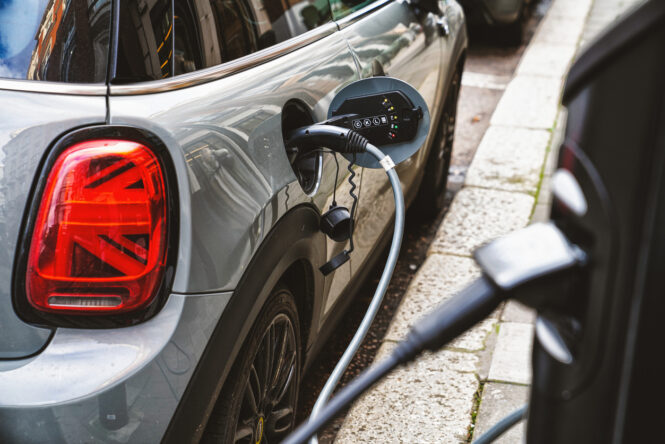
The days of shivering in a dark corner of a motorway services while your car slowly drips with power are finally starting to end.
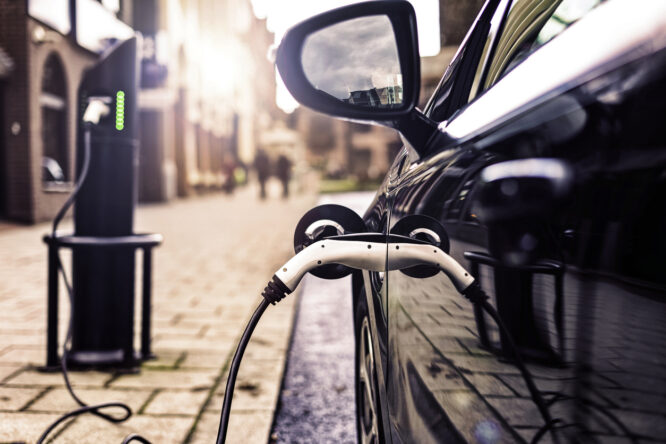
A new breed of charging hubs is popping up across the country, turning what used to be a boring, hour-long wait into something that actually feels like a proper break. These aren’t just rows of dusty plugs in a puddle; we’re talking about high-spec sites with decent coffee, lovely views, and speeds that won’t leave you stuck there until next Tuesday.
As the network expands, the gap between a miserable experience and a genuinely impressive one is getting wider. If you’re planning a long haul and want to avoid the usual frustration, it’s worth knowing which spots have actually invested in making the experience bearable. Forget the unreliable single chargers tucked behind a skip—these are the locations that are actually getting it right.
The UK’s EV charging network is expanding quickly.
The number of public EV charging points across the UK has grown rapidly, making long-distance travel far more practical than it was just a few years ago. More major roads, towns, and service areas now offer reliable charging, which has helped reduce range anxiety for many drivers.
However, growth hasn’t just been about numbers. There’s also been a noticeable change in quality, with newer charging hubs designed to offer a better overall experience. Instead of basic roadside units, many locations now include seating, lighting, and easy access to nearby amenities.
Charging stops are becoming part of the journey.

One of the biggest changes is how drivers approach their routes. Charging is no longer treated as a delay to get through as quickly as possible. Instead, people are starting to plan stops around places they actually want to visit.
This is partly because charging still takes time, even with faster technology. Rather than sitting in a car park, drivers are choosing locations where they can eat, walk, or take a proper break. It’s a small change, but it’s changing how road trips feel overall.
Scenic charging spots are drawing more attention.
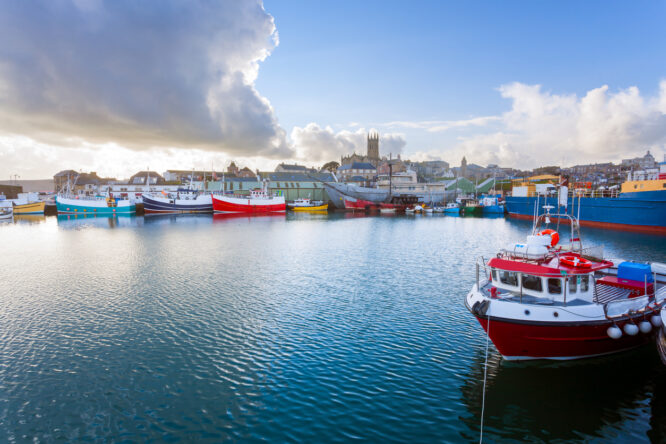
Some of the most talked-about locations are those with something to look at while you wait. Coastal towns like Penzance in Cornwall offer charging close to the sea, giving drivers a chance to take in the view rather than stare at a dashboard.
In the Lake District, several charging points are located near walking routes or visitor areas, making it easy to step out and stretch your legs. These kinds of locations are becoming increasingly popular because they turn a necessary stop into something more enjoyable.
Lesser-known destinations are becoming easier to reach.

It’s not just major tourist hotspots benefiting from better charging access. Smaller and less obvious destinations are also being added to the network, giving drivers more choice when planning trips. Places like parts of rural Scotland or coastal Wales are seeing improved access, which means EV drivers are no longer limited to major cities or motorway services. This is opening up more varied travel options across the UK.
Urban charging hubs are improving fast.

Cities are also seeing a change, particularly in areas like London, Manchester, and Birmingham. Charging hubs in these locations are becoming more sophisticated, often placed near shopping centres, cafés, and restaurants. This makes a noticeable difference for drivers who are topping up while running errands or taking a break. Instead of waiting around, charging becomes something that fits naturally into everyday activity.
Food and facilities are now a major factor.
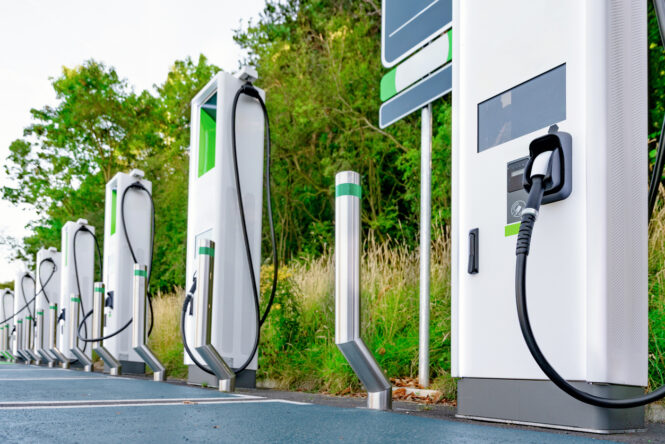
For many drivers, the quality of nearby facilities is just as important as the charger itself. Locations with good food options, clean toilets, and somewhere to sit are far more appealing than isolated chargers with nothing around them. This has led to a gradual change in how charging sites are designed. Operators are starting to think about the full experience, not just the technical side, which is raising expectations across the board.
Ultra-rapid charging is reducing wait times.
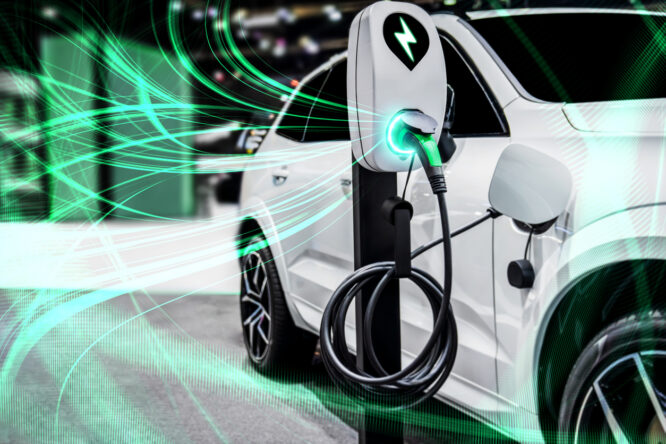
Charging speeds have improved considerably, with ultra-rapid chargers now capable of adding substantial range in a much shorter time. This has made longer journeys more manageable and reduced the need for extended stops. Even so, most drivers still need to pause for a short period, which is why location still matters. Faster charging works best when paired with a place that makes the wait feel worthwhile.
Some of the best EV charging spots to know about

Across the UK, certain locations are starting to stand out. Penzance offers coastal charging with views across the sea, while parts of the Lake District combine charging with access to some of the country’s most popular walking areas.
In Scotland, routes through the Highlands now include charging points in more remote locations, making longer scenic drives more accessible. Meanwhile, upgraded motorway services are adding better food options and more comfortable facilities, helping to balance convenience with comfort.
There are still gaps depending on where you travel.
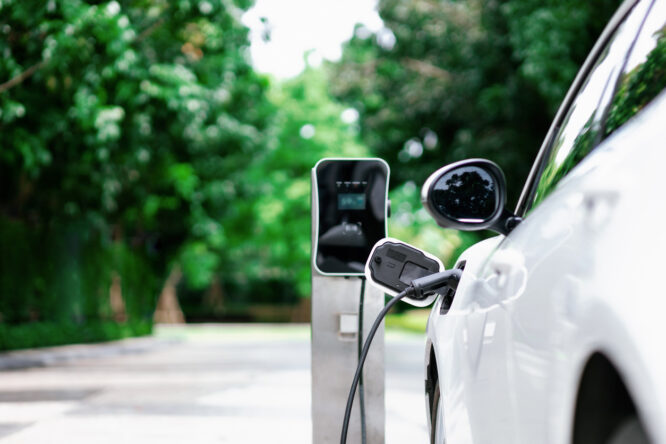
Despite all the progress, charging access isn’t evenly distributed. Rural areas can still have fewer options, which means planning is more important when travelling outside major cities. The uneven spread is one of the main challenges facing the UK’s EV network, although continued investment is expected to improve coverage over time.
Why drivers are planning journeys differently

As the network improves, drivers are becoming more selective about where they stop. It’s no longer just about finding a charger, but finding one that fits into the journey comfortably. Route planning apps are playing a bigger role here, helping drivers identify reliable and well-equipped locations. This makes travel smoother and reduces the uncertainty that used to come with longer EV trips.
What this means if you’re travelling in an EV this year
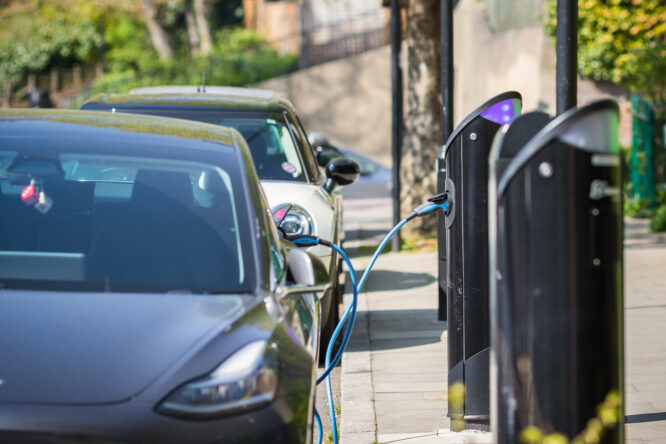
If you’re planning a trip, it’s worth looking beyond the nearest charger and thinking about the overall experience. Some locations now offer far more than others, and choosing the right stop can make a noticeable difference. With more options available, EV travel is becoming less about managing limitations and more about choosing where you actually want to go. Charging is still part of the journey, but it doesn’t have to feel like a disruption anymore.