You might treat a dying plant like a personal failure, but the truth is that a brown leaf usually has more to do with a bit of misplaced enthusiasm than a lack of a green thumb.
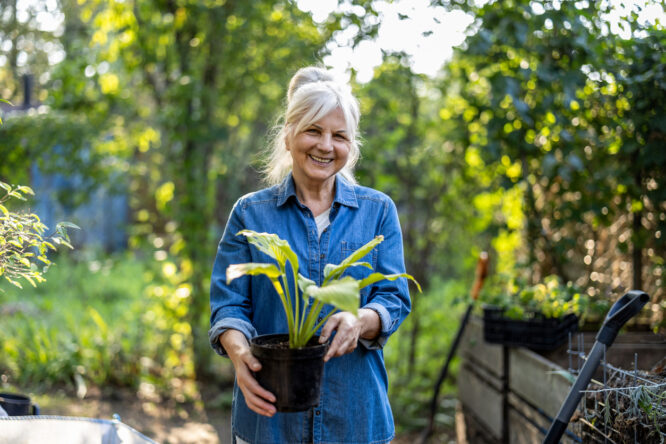
It’s tempting to subscribe to the idea that more of everything—more water, more sun, more expensive feed—is the cure for a struggling shrub, when that’s often exactly what’s killing it. Gardening experts reckon that the biggest disasters in the backyard aren’t caused by neglect, but by a handful of basic blunders that people make while trying to be helpful.
You don’t need to dig deep into the complicated botanical science to get a handle on the problem. It’s the simple, everyday mistakes like picking the wrong pot or misreading the light that end up turning a thriving garden into a graveyard. If you’re tired of watching your latest nursery find shrivel up within a fortnight, it’s worth checking if you’re accidentally sabotaging your plants in the name of looking after them.
Overwatering is one of the quickest ways to damage a plant.
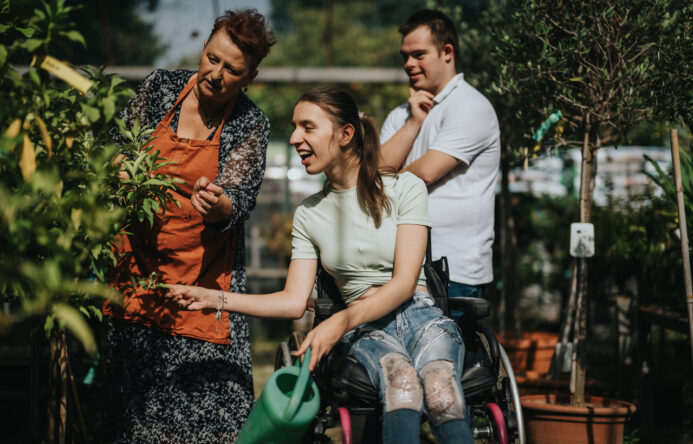
It’s a very common mistake because it feels like you’re helping. When a plant looks a bit dry or droopy, the instinct is to add more water. But too much water can do the opposite of what you expect, especially in the early days after planting.
When soil stays constantly wet, the roots don’t get enough oxygen. Instead of growing and spreading, they can start to weaken or rot. A better habit is to check the soil with your finger first. If it’s still damp below the surface, it doesn’t need watering yet.
Poor drainage can cause problems even if you water correctly.
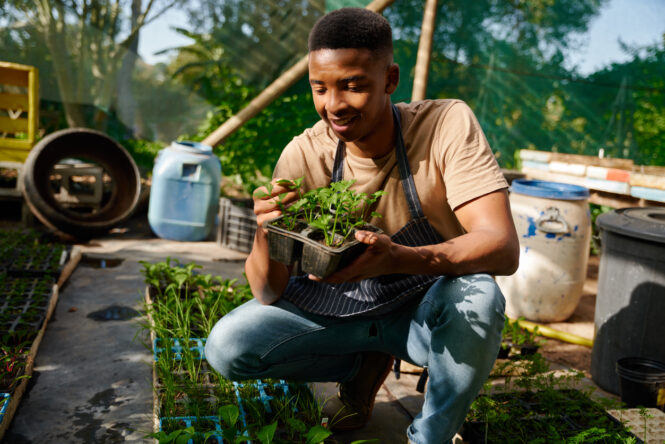
You might not be overwatering, but if water can’t drain away, it ends up sitting around the roots anyway. This is especially common in pots without proper drainage holes or in heavy, compact soil that holds onto moisture. Eventually, that trapped water creates the same conditions as overwatering. Roots become stressed, growth slows down, and the plant can start to decline. Making sure excess water can escape easily is one of the simplest ways to avoid this.
Planting in the wrong place can stop a plant from settling in.
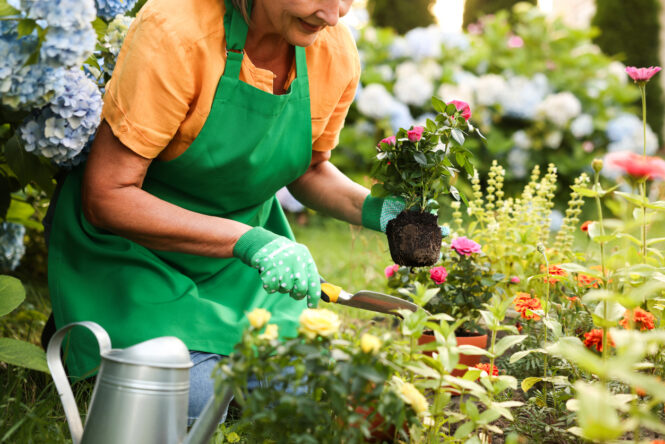
Every plant has its own preference when it comes to sunlight. Some need hours of direct sun each day, while others prefer shade or more sheltered spots. Getting this wrong can make it much harder for the plant to establish itself.
If a plant that needs sun is put in a shaded area, it won’t get the energy it needs to grow. On the other hand, shade-loving plants can struggle in strong sunlight and dry out quickly. Matching the plant to the right spot makes a big difference early on.
Using the wrong soil can limit growth from the start.

It’s easy to think soil is just soil, but different plants rely on different conditions to thrive. Some need well-drained soil, while others prefer something that holds more moisture and nutrients. If the soil doesn’t suit the plant, it can affect how well it absorbs water and nutrients. Even with good care, the plant may struggle to grow properly because the conditions underneath aren’t right.
Planting at the wrong time can expose plants to stress.
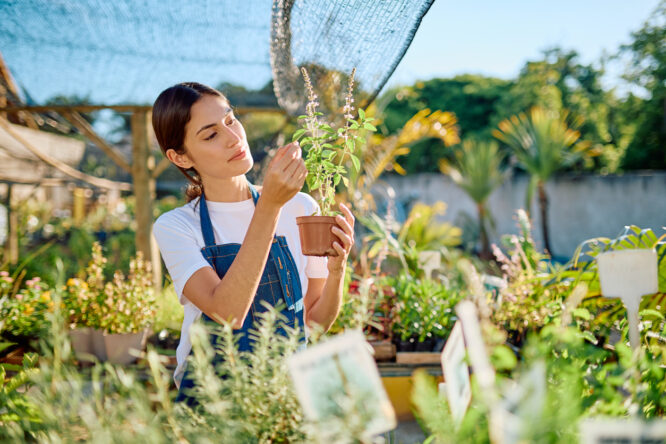
Timing is another factor that often gets overlooked. Planting too early in the season can leave plants exposed to colder temperatures, while planting later can mean dealing with heat and dry conditions. Plants need a stable environment to settle in. If the weather is too harsh, they can struggle to establish roots properly, which makes them more likely to fail in those early stages.
New plants are more vulnerable than people realise.
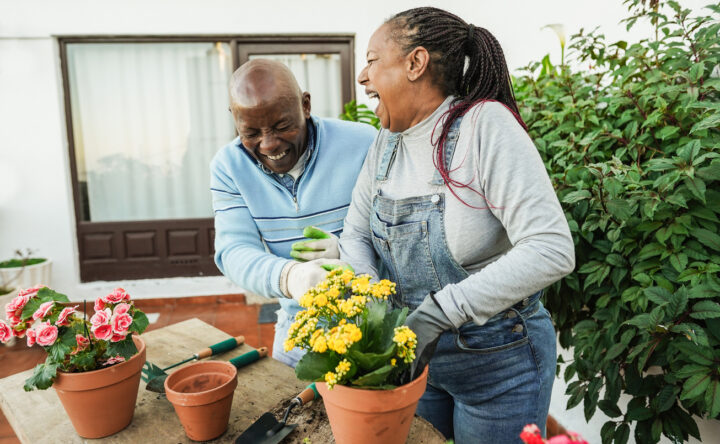
The first few days after planting are the most important. This is when the plant is adjusting to a new environment, and even small issues can have a bigger impact than they would later on. Because the roots haven’t fully settled, the plant can’t cope with stress as easily. That’s why mistakes that seem minor can cause noticeable damage very quickly.
Small issues often build up rather than happen alone.
It’s rarely just one problem that causes a plant to fail. More often, it’s a mix of things like too much water, poor drainage, and the wrong conditions all happening at once. When these issues combine, they put the plant under pressure from multiple sides. That’s why some plants seem fine at first, but then decline quite quickly after planting.
Getting the basics right makes the biggest difference.
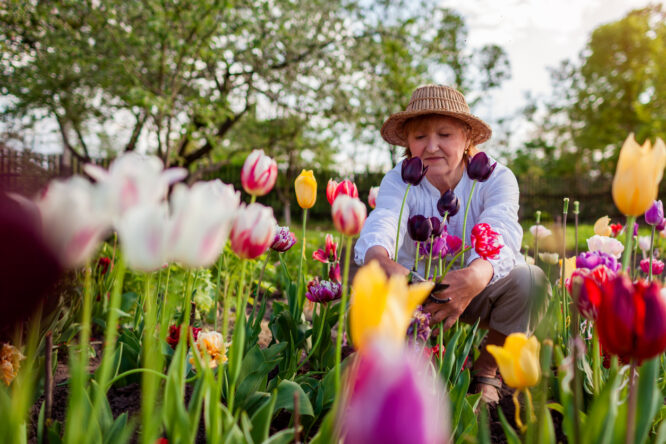
You don’t need complicated routines or specialist products to keep plants healthy. Most of the time, it comes down to a few simple things done properly. Watering when needed, using the right soil, choosing a suitable spot, and planting at the right time will give plants a much better chance of settling in and growing well over time.
Plants can fail within just a few days, which is why the correct conditions are so important.
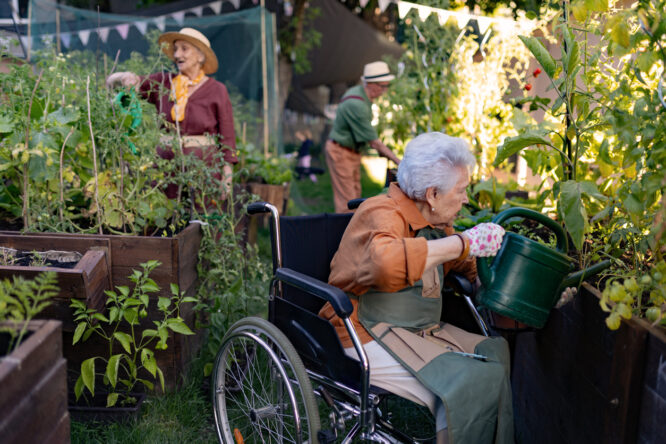
When plants are under stress straight away, they don’t have time to recover. Issues like root damage, poor conditions, or lack of oxygen can quickly affect how they function. That’s why some plants don’t last long after planting. It’s not that they were unhealthy to begin with, it’s that the conditions around them weren’t quite right.
What this means for everyday gardening
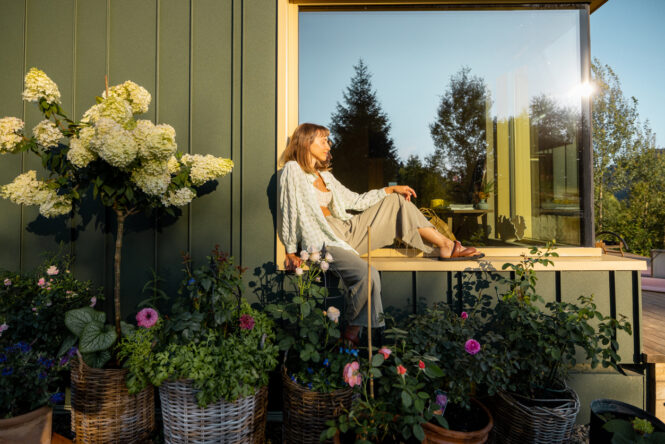
For most people, this comes down to slowing down and paying a bit more attention at the start. Rushing the planting process or guessing what a plant needs can lead to problems later on. Taking a few extra minutes to check the soil, the location, and the timing can make a big difference. It’s often those small changes that decide whether a plant thrives or struggles.