Food debates don’t get much more British than roast potatoes, and lately, there’s been a bit of pushback on something loads of people now reach for without thinking.
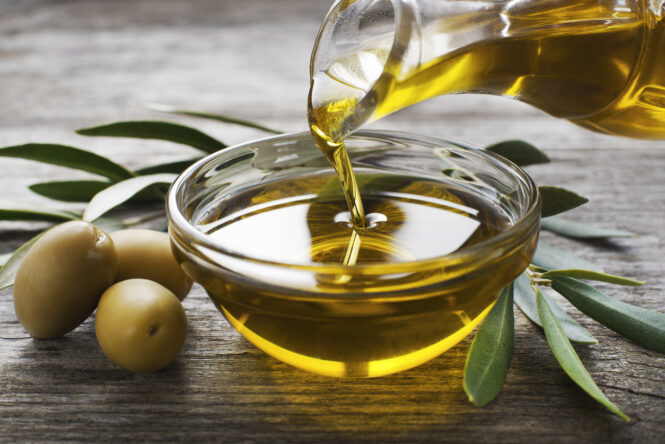
Olive oil has become the default in a lot of kitchens, partly because it feels like the healthier choice and partly because it’s always there. However, if you understand the alchemy of how roast potatoes actually work, as well as what recent cooking research says about oils and heat, it starts to make sense why the results don’t always match expectations.
High heat is everything for roast potatoes, and olive oil isn’t built for that job.
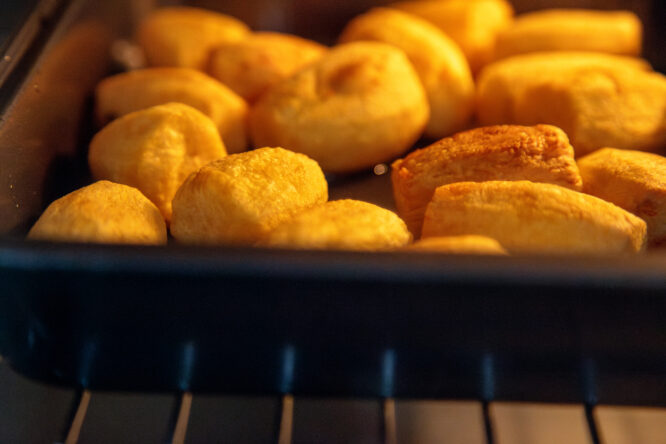
Getting proper roast potatoes is down to heat. You need a very hot tray and a fat that can hold that heat long enough to kickstart the crisping process the second the potatoes hit it. Traditional fats like goose fat, beef dripping, or even good-quality rapeseed oil have a higher smoke point and tend to stay stable when pushed to those temperatures.
Olive oil can handle oven heat, but it doesn’t behave the same way once it gets there. It starts to lose stability and doesn’t deliver that same aggressive heat transfer to the surface of the potato. That’s why roasties cooked in olive oil often look fine but lack that deep, glassy crunch you get from a proper roast.
The outside texture struggles because the oil coats too evenly.
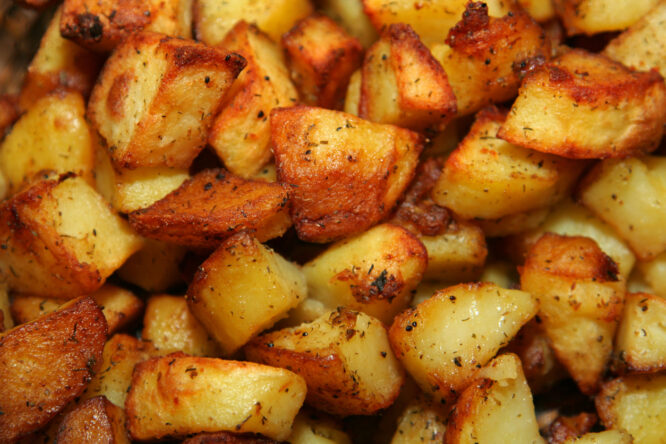
Good roast potatoes rely on rough edges. After parboiling, you’re supposed to shake them up so the surface breaks apart slightly and creates those fluffy bits that crisp up in the oven. The fat then clings to those rough edges and almost fries them.
Olive oil is lighter and tends to coat everything more evenly, which sounds helpful but actually works against that effect. Instead of those jagged edges crisping into something crunchy, they stay a bit softer. You end up with a smoother finish, which is fine if that’s what you want, but it’s not the classic roast potato texture most people are aiming for.
Extra virgin olive oil loses a lot of what makes it special when heated.

A lot of people reach for extra virgin olive oil because of the flavour and perceived health benefits, but high oven temperatures don’t do it many favours. Studies looking at cooking oils show that the compounds responsible for its flavour and antioxidants start to break down when exposed to sustained heat.
That means you’re often paying more for an oil that isn’t delivering what you bought it for. Once it’s been in a hot oven for an hour, much of that distinctive taste has faded, leaving something closer to a neutral oil anyway.
It can make potatoes feel heavier without adding crispness.
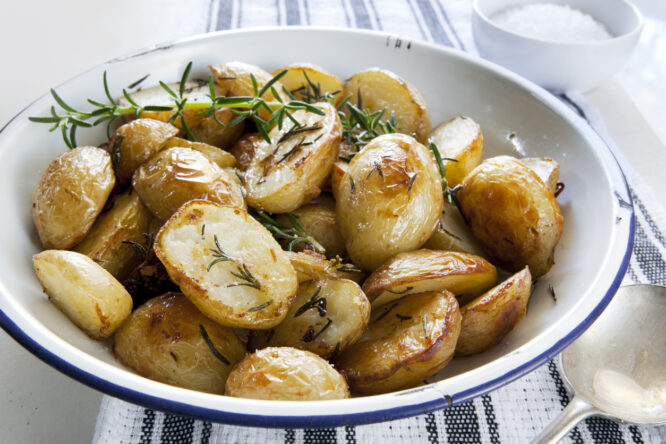
Roast potatoes absorb some of the fat they’re cooked in, and the type of fat changes the end result more than people realise. Some fats create a light shell that seals quickly, while others soak in more before that outer layer sets.
With olive oil, especially if you’re generous with it, the potatoes can take on more oil without developing the crisp to balance it out. That’s where that slightly soft, almost greasy texture comes from, even when they look golden on the outside.
The flavour profile doesn’t always match what people expect from a roast.
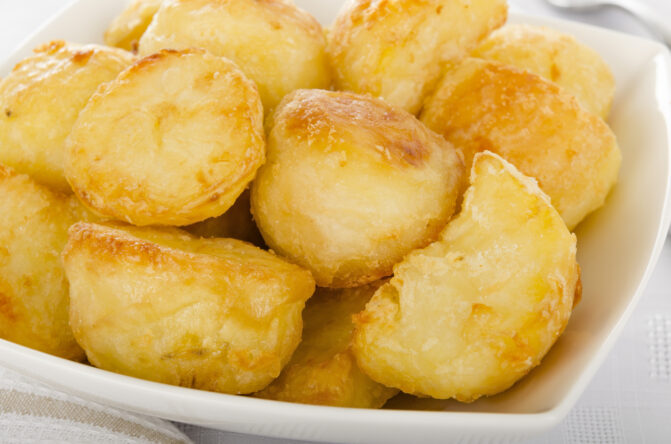
Classic roast potatoes have a very specific taste that comes from animal fats or neutral oils that let the potato and seasoning do the talking. Olive oil brings its own flavour, which can sometimes clash rather than complement. In lighter dishes it works well, but with a traditional roast, it can feel slightly out of place. It’s subtle, but it’s often why something tastes “off” even when everything else has been done properly.
There’s also the cost factor, which people are starting to notice.

Olive oil prices in the UK have risen sharply, and it’s now one of the more expensive cooking fats sitting on supermarket shelves. Using it for high-heat roasting, where you’re not getting the best out of it, doesn’t make much sense from a value point of view.
Rapeseed oil, sunflower oil, or even beef dripping tend to be cheaper per use and often give better results for this specific job. It’s one of those situations where the “healthier” or more premium option isn’t necessarily the most practical.
Other oils are simply better suited to the job.
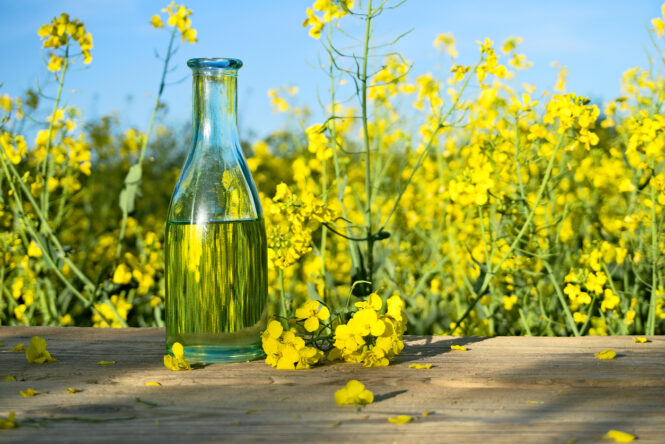
Rapeseed oil is a good example because it has a high smoke point and a fairly neutral taste, which makes it ideal for roasting. Goose fat and beef dripping go a step further by adding both flavour and that signature crispness people expect from roast potatoes.
These fats hold heat more effectively and interact with the potato surface in a way that encourages that crunchy outer layer. It’s less about tradition and more about how they behave in the oven.
Olive oil still works, just not in the way people expect.
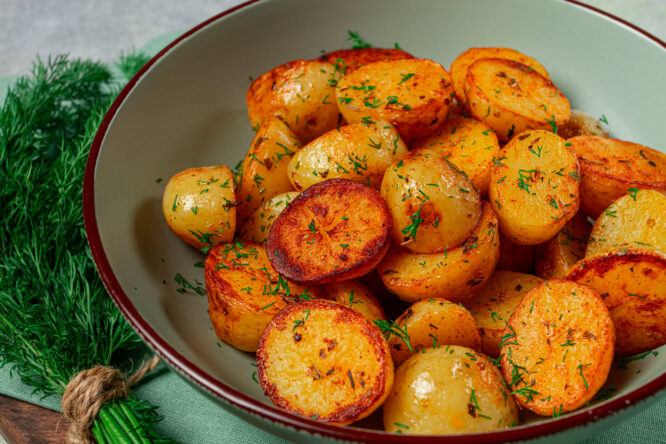
It’s worth saying that olive oil doesn’t “ruin” roast potatoes in the sense that they’ll turn out inedible. You’ll still get cooked potatoes, and for some people, the softer texture is actually preferred. The problem is expectation. If you’re aiming for that crisp, roast dinner standard, olive oil tends to fall short. If you treat it as a different style altogether, more like a softer roasted potato, it makes a lot more sense.
Cooking method matters just as much as the oil itself.
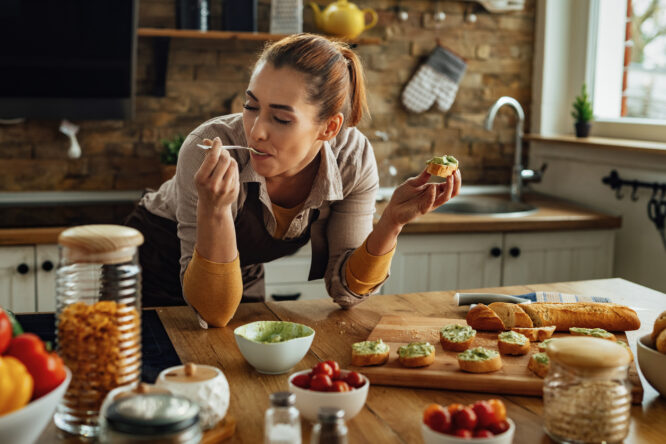
Even with the right oil, things like parboiling, roughing up the edges, and preheating the tray make a huge difference. Olive oil struggles more when those steps aren’t done properly because it doesn’t compensate in the same way heavier fats do. People often switch oils hoping for better results, but the biggest improvements usually come from getting those basics right. Once you combine the right method with the right fat, the difference is obvious.
Why people switched to olive oil in the first place
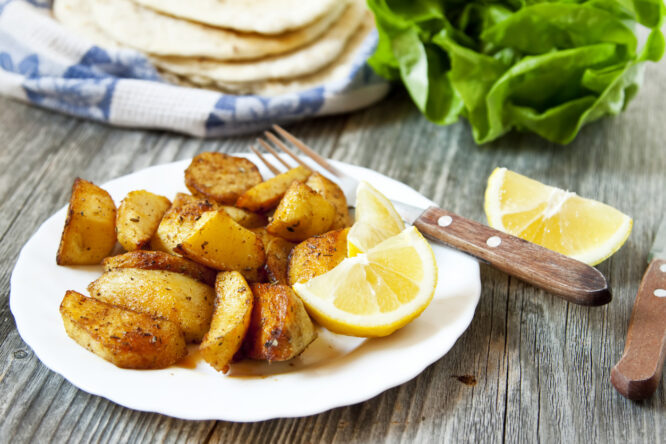
A lot of this comes down to changing habits. Health messaging over the years has pushed olive oil as a better everyday choice, and that’s carried over into cooking styles where it doesn’t always fit. There’s nothing wrong with using it where it works best, like dressings or low to medium heat cooking. It’s just not the perfect all-rounder people sometimes assume it is, especially when it comes to something as specific as roast potatoes.