Tennis balls and dogs feel like a natural match in many ways.
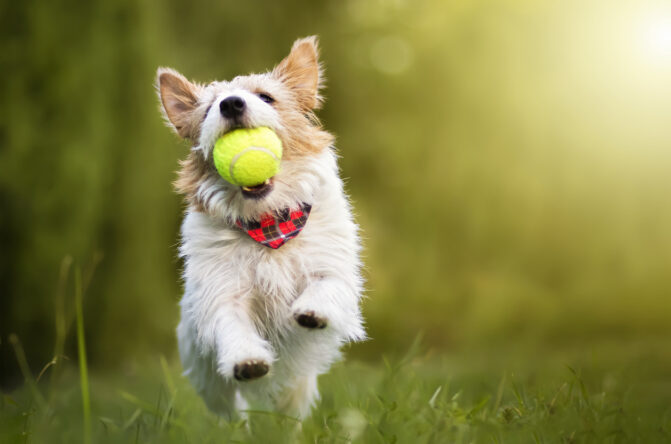
Bouncing one your pup’s way isn’t something most people think twice about, and for good reason. You see them everywhere—in parks, in gardens, or even stuffed into coat pockets ready for a quick game of fetch. For a lot of owners, it’s just the default toy.
However, vets are starting to look at this a bit differently, and the concern isn’t over having one or two throws. It’s down to how often dogs use tennis balls and what actually happens to them over time. What looks soft and harmless at first can gradually turn into something much rougher, and that’s where the problems begin.
Tennis balls can quietly damage your dog’s teeth in the long run, believe it or not.
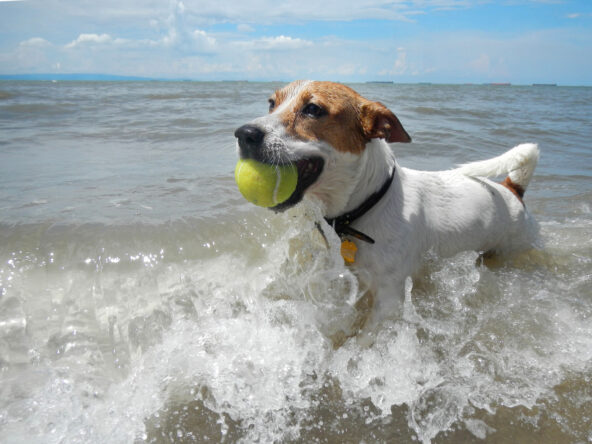
The biggest issue vets point to is something most people wouldn’t even think about: tennis balls don’t stay soft for long. After a few uses, they start picking up dirt, sand, and grit from the ground. That debris gets stuck in the felt covering, and the surface becomes much more abrasive than it looks.
When a dog carries or chews on the ball, that rough surface rubs against their teeth over and over again. It’s not something you notice straight away, but over time it can wear down enamel in a way that’s similar to sandpaper. Some vets have seen cases where dogs end up with visibly flattened or damaged teeth, which can lead to pain, sensitivity, and in more serious situations, dental treatment or extractions. It slowly becomes a problem rather than suddenly, which is why it often goes unnoticed until the damage is already done.
There are hidden risks around choking, breakage, and swallowing.
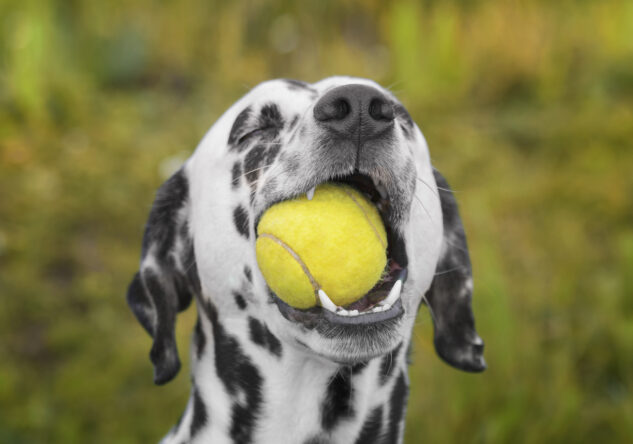
Beyond the surface wear, there’s also the issue of durability. Tennis balls aren’t made to handle strong jaws, especially for dogs that like to chew. Over time, the outer layer can split, and once that happens, the structure weakens quickly.
That’s where things can become more serious. Pieces of the ball can break off and be swallowed, or in some cases, the ball itself can collapse in a way that makes it a choking hazard. Larger dogs are particularly at risk if the ball fits too far into their mouth. What starts as a simple game can turn into an emergency if the ball gives way or gets lodged, and that’s one of the main reasons vets advise being cautious about long-term use.
The materials aren’t ideal for regular chewing.

Another thing that often gets overlooked is what tennis balls are actually made of. They’re designed for sport, not for animals that use their mouths constantly. The felt coating, the rubber core, and the glue holding it together aren’t created with chewing in mind.
As the ball wears down, dogs can end up ingesting small fibres or particles without owners realising. On its own, that might not cause immediate harm, but repeated exposure over time isn’t something vets are comfortable with. It’s less about one-off use and more about the long-term habit of using something that was never designed for this purpose.
It’s not just the ball—it’s how dogs interact with it.
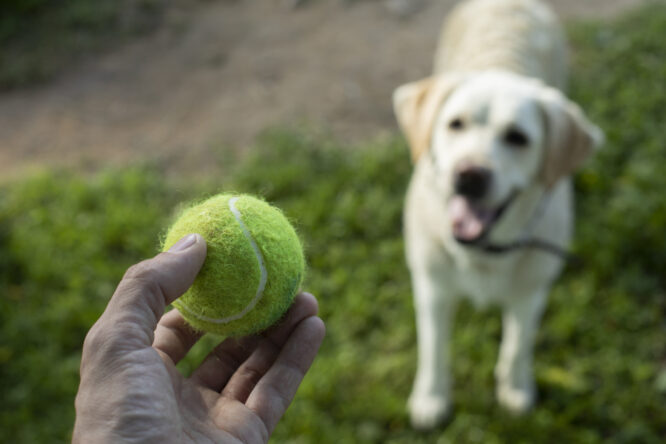
There’s also a behavioural side that doesn’t get talked about as much. Tennis balls are strongly linked to high-energy play, especially repeated games of fetch. For some dogs, that can turn into a kind of loop where they become completely focused on chasing the ball.
That level of excitement can make it harder for them to switch off afterwards. Instead of balancing play with calmer activities like sniffing or exploring, some dogs end up locked into a constant chase pattern. Over time, that can affect how they behave on walks, making them more restless or harder to settle once the game ends.
What vets actually recommend instead

The advice from vets isn’t to stop playing with your dog or take away fetch altogether. It’s simply to choose safer alternatives that are built for how dogs actually use toys. Balls made specifically for dogs, especially rubber ones, are designed to be more durable and less abrasive.
They don’t trap grit in the same way, they’re less likely to split apart, and they’re generally sized more appropriately to reduce choking risk. They also tend to last longer, which makes them a better option all around. It’s a simple swap that doesn’t take anything away from the fun, but it does reduce the risks that come with regular tennis ball use.
This comes down to everyday habits, not one-off use.

The key point vets are making isn’t that tennis balls are dangerous the moment a dog picks one up. Most dogs have played with them at some point without any issues. The concern is about repetition. It’s the fact that this is often the go-to toy, used day after day without much thought.
When something becomes part of a daily routine, even small risks can add up over time. That’s what makes this worth paying attention to. Rather than something dogs enjoy, you’re simply making a small adjustment that protects them in the long run without changing how they play.
Awareness really does mean everything.

Tennis balls seem harmless because they’ve always been part of dog play, but the reality is they come with a few risks that aren’t immediately obvious. Most of them build gradually, which is why they’re easy to overlook.
Switching to toys designed specifically for dogs doesn’t change how much they enjoy a game of fetch, it just makes it safer over time. And when it comes to something as simple as the toy you throw, that’s a change that’s easy to make without giving it a second thought.