We tend to think that as long as we’re not hobbling around in six-inch stilettos, our footwear choices are relatively harmless.
Most of us pick our daily shoes based on what looks decent or what’s currently on sale, assuming that if a brand is a household name, it must have been designed with basic anatomy in mind. However, podiatrists are increasingly worried about a handful of seemingly sensible staples, from the flat-as-a-pancake pumps you wear to the office to the chunky, over-cushioned trainers that seem like a dream for your joints.
It turns out that many of these popular styles are actually sabotaging your natural gait, weakening your arches, and setting you up for chronic back pain while you’re busy thinking you’ve made a comfortable choice. Before you slip into your favourite pair of reliable flats, you should be aware of the common designs are secretly doing the most damage to your foundation.
High heels like Louboutins, Zara stilettos, or platform party heels
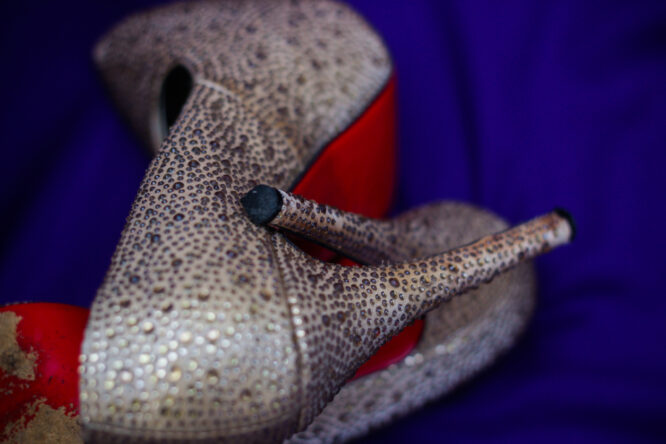
Whether it’s classic stilettos, high street heels from places like Zara, or more structured designer styles like Louboutins, they all share the same issue. They push your body weight forward onto the ball of your foot, which isn’t built to carry that pressure all day.
As time goes on, that can lead to bunions, nerve pain, and that familiar burning feeling across the front of your foot. The raised heel also changes your posture, shortening your stride and putting extra strain on your calves and lower back. It’s not just about discomfort in the moment, it’s what happens when that position becomes a regular habit.
Flat shoes like Converse, Vans, or ballet flats
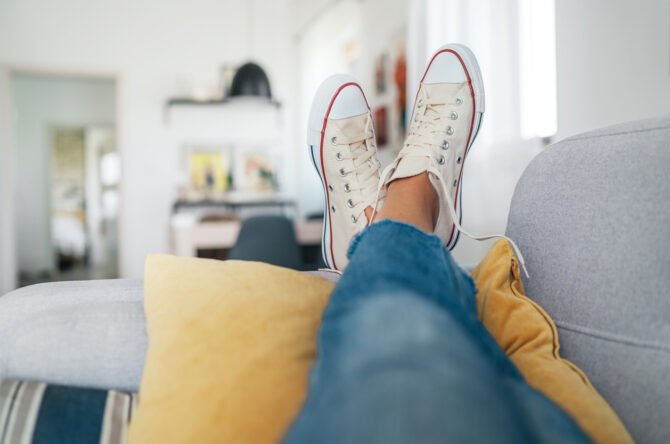
Canvas trainers like Converse and Vans, along with thin ballet flats, are worn everywhere because they’re easy and go with everything. The problem is that they usually have very little arch support, which means your foot has to absorb impact without much help.
That can lead to heel pain, tightness through the sole of your foot, and even discomfort in your knees if your walking pattern changes. They’re fine for short wear, but when they become your everyday shoe, especially for long walks or standing all day, the lack of support starts to show.
Flip-flops and sliders like Havaianas or Adidas slides
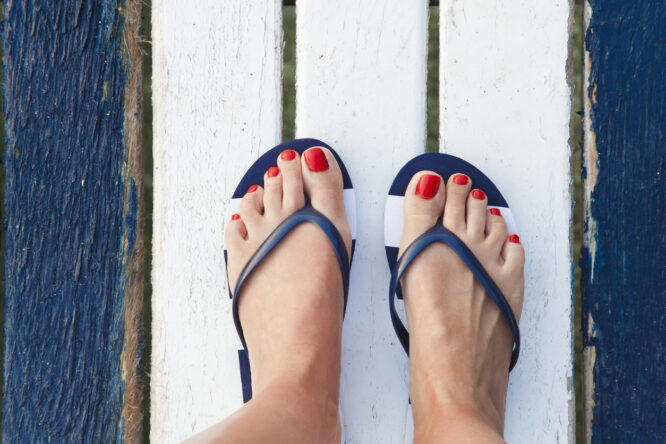
Flip flops like Havaianas and everyday sliders like Adidas slides are built for convenience, not structure. Because they don’t secure your foot properly, your toes naturally grip to keep them on as you walk. That constant gripping can strain the muscles in your feet and subtly change how you move. Add in the lack of cushioning and support, and your feet end up taking more of the impact from hard ground.
They’re fine around the house or for short trips, but wearing them all day, especially in summer, is where problems start to build.
Pointed heels and narrow dress shoes from brands like ASOS or Office
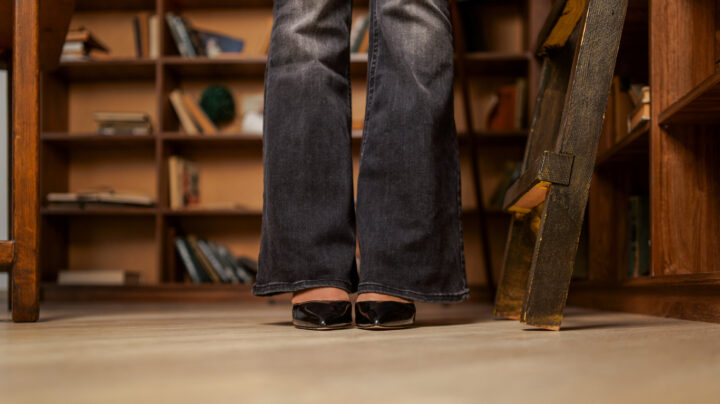
Pointed heels, slim-fitting office shoes, and narrow styles from brands like ASOS or Office often squeeze your toes together more than they should. It might just feel tight at first, but as time goes on, that pressure can push your toes out of alignment. That’s how bunions and other long-term issues develop, and once they do, they’re difficult to reverse.
The issue is that these shoes are often worn for work or nights out, so they become part of a regular routine without much thought about the long-term effect.
Max-cushion trainers like Hoka or heavily padded running shoes
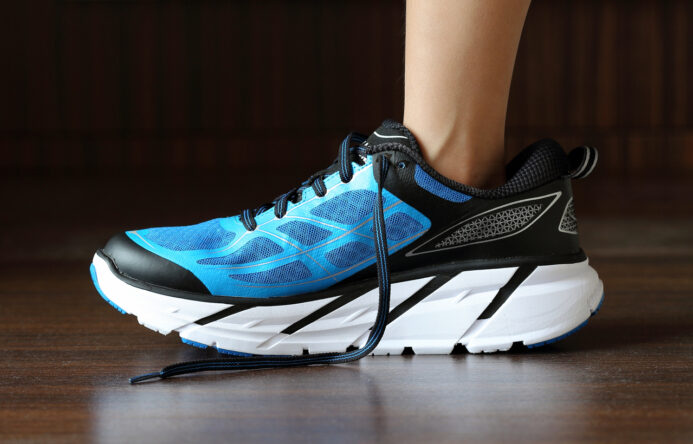
Highly cushioned trainers, especially brands like Hoka or similar max-cushion running shoes, are designed to absorb impact, but too much cushioning can actually dull how your foot senses the ground. That feedback is important for natural movement, and without it, your walking or running pattern can change without you realising.
This can lead to habits like overstriding or uneven weight distribution, which puts extra pressure on your knees. They’re not bad in themselves, but relying on them all the time without enough stability can cause issues in the long run.
Worn-out everyday trainers like old Nike or Adidas pairs
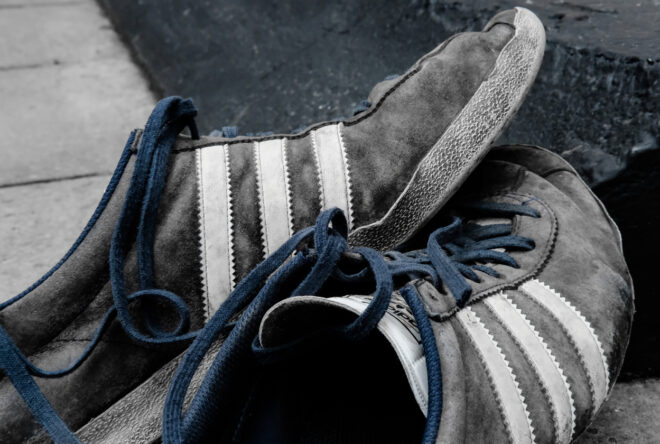
This is the one most people overlook. That pair of Nike or Adidas trainers you wear everywhere might still look fine, but inside, the support has often broken down long before you notice. The cushioning flattens, the structure weakens, and your feet end up absorbing more impact than they should.
Because it happens gradually, it’s easy to keep wearing them without realising that they’re no longer doing their job. That’s often when people start noticing ongoing heel or arch pain without understanding why.
Why your shoes are more important than you think
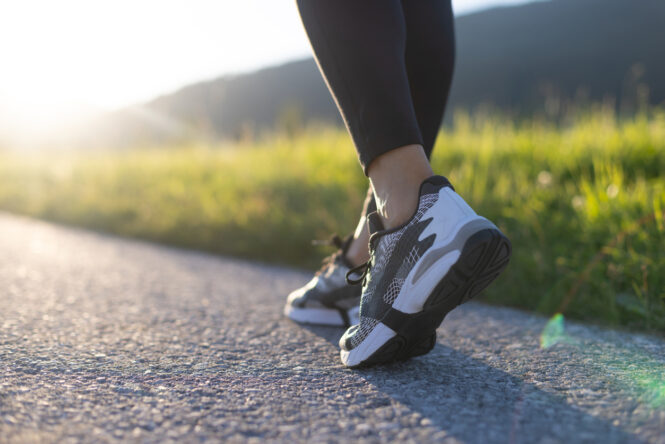
Your feet are the base of your body, so when something is off there, it doesn’t stay isolated. The way you walk changes, and that change travels up through your joints. That’s why the wrong shoes don’t just cause foot pain, they can also affect your knees, hips, and back over time. It’s rarely one bad pair, it’s the result of wearing the same types of shoes again and again without thinking about the long-term effect.
What actually helps
You don’t need to throw everything out, but small changes go a long way. Rotating between different shoes, replacing worn-out pairs earlier, and choosing styles with better support can ease a lot of that strain. It’s less about finding the perfect shoe and more about avoiding habits that slowly work against your body without you noticing.