The general advice is to treat high-sugar fruits with a bit of suspicion, especially if we’re keeping an eye on our blood glucose.
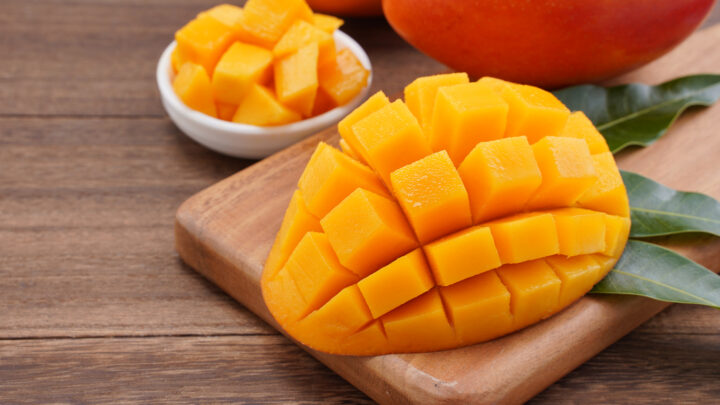
The mango, with its heavy hit of sweetness, often sits right at the top of the “moderation” list. However, new research is starting to suggest that this tropical staple might actually be doing more for our metabolic health than just providing a sugary treat. Instead of causing the massive spike we’ve been led to expect, certain compounds within the fruit seem to interact with our insulin levels in a way that’s caught the attention of nutritionists.
It’s a bit of a counter-intuitive idea that eating something so sweet could potentially help manage a condition defined by sugar, but the evidence points toward a much more complex relationship than a simple calorie count. While nobody is suggesting you live off fruit salad alone, mango might not be a no-go.
The effects of fresh fruit over ultraprocessed snacks was the idea behind the study.

Prediabetes is the stage where blood sugar is higher than it should be, but not quite high enough to count as type 2 diabetes. A large chunk of people in this category go on to develop the full condition over time, so anything that can move the numbers back down is worth paying attention to.
Researchers wanted to know whether swapping a typical processed snack for a piece of fresh fruit could make a real difference over the long haul. Mangoes were chosen because they’re packed with plant compounds and fibre, despite being sweet.
The study was small but thorough.

The study out of Florida State University ran for 24 weeks, which is a decent chunk of time for this sort of thing. Twenty-three adults with prediabetes took part, split into two groups. One group ate around 300 grams of fresh mango every day, which works out to roughly a medium-sized fruit.
The other group was given a daily granola bar with the same calorie count, making it a fair swap on paper. Everything else about their diets stayed much the same, so any changes could reasonably be pinned on the snack itself.
The results of the study were fascinating.

At the start, both groups had similar fasting blood sugar levels, sitting around the 113 to 116 mg/dL mark. By the end of the trial, the numbers had moved in opposite directions. The mango group saw a modest drop of around 6 mg/dL from where they started.
The granola group’s levels went the other way, climbing over the same period. That gap of roughly 18 mg/dL between the two groups is a meaningful difference, especially given both groups were eating the same number of extra calories each day.
The longer-term blood sugar marker was even more illuminating.

Fasting glucose is a snapshot, but HbA1c tells you what blood sugar has been doing over several months. Both groups started with similar HbA1c readings. By the end, the control group’s numbers had crept up slightly, while the mango group’s held steady.
Staying level might not sound all that important, but in a group of people already drifting towards diabetes, keeping the number from rising is a win in itself. It suggests the fruit wasn’t just offering a short-term blip but something more sustained.
Participants experienced changes in body composition.

The researchers also measured how the participants’ bodies were made up, not just what they weighed. The mango group showed an increase in fat-free mass, which is generally a good thing and points towards more muscle rather than fluid retention.
Their body fat showed a borderline decrease too. Insulin sensitivity was preserved, meaning their bodies were still responding properly to the hormone that manages blood sugar. None of these changes were huge, but they all moved in a favourable direction for metabolic health.
The waist-hip ratio revealed a lot.

This is one of the more interesting findings. The waist-to-hip ratio is a useful indicator because fat carried around the middle is linked much more strongly to diabetes and heart problems than fat elsewhere. In the mango group, this ratio actually improved considerably over the 24 weeks.
In the granola group, it got worse. BMI barely changed in either group, which shows why the scales alone can miss what’s going on underneath. Where fat sits on the body matters just as much as how much there is.
As it turns out, mangoes might actually help.

Mangoes are sweet, but they come loaded with useful stuff too. They contain carotenoids, vitamin C, various plant polyphenols, and quercetin, all of which have been linked to better metabolic function. They’re also a reasonable source of fibre, which slows down how quickly sugar hits the bloodstream.
Earlier studies in mice even suggested that mango compounds can help lower fat and improve insulin response in ways that compare to certain medications, though that was in mice, not people, and the results don’t automatically translate.
The whole fruit effect has been discussed for a long time.
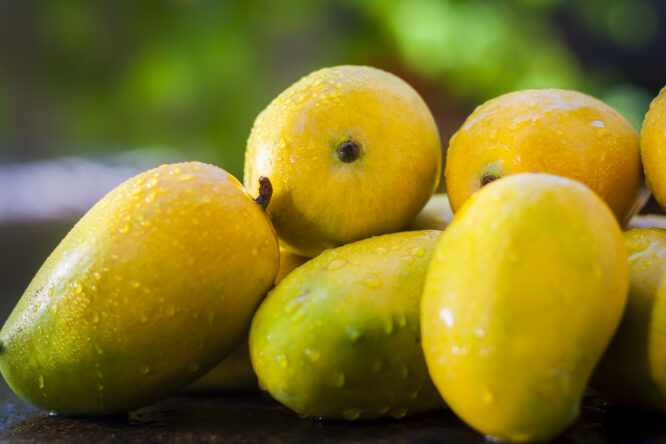
One of the bigger takeaways here is about what scientists call the fruit matrix, which is the physical structure of the fruit itself. When sugar comes wrapped in fibre, water, and plant compounds, your body processes it very differently from sugar in a biscuit or a fizzy drink.
The fibre slows absorption, the plant chemicals nudge metabolism in helpful directions, and you tend to feel fuller afterwards. That’s exactly why nutrition experts keep saying whole fruit isn’t the problem. Processed snacks with added sugars and refined carbs are a different story altogether.
There are limits to keep in mind.

Before anyone starts buying mangoes by the crate, there are some honest caveats. The trial was small, with just 23 participants, and the two groups weren’t perfectly matched at the start. The study was designed specifically to look at fasting glucose, so some of the other findings need bigger studies to confirm.
The authors themselves have said the results should be seen as exploratory rather than final proof. A larger trial would help pin down how much of the effect comes from the mango specifically versus swapping out the processed snack.
How should you incorporate mangoes into your diet?

Even with the caveats, there’s something useful to take away. Swapping a daily processed snack for a piece of whole fruit is a change most people can make without any real effort. The message isn’t that mangoes are a magic bullet, but that fresh fruit seems to earn its place in a diet aimed at keeping blood sugar steady, even when that fruit is sweet.
Of course, anyone with prediabetes or diabetes should still talk to their doctor or a dietitian before making big changes, especially if they’re on medication.