There’s been a lot of chatter lately about the UK facing food shortages, but before you start eyeing up the last tin of beans, stop and take a deep breath.
The reality is not quite the empty shelf apocalypse that makes for a great tabloid headline. In fact, it’s much more subtle and, in many ways, more frustrating. Food’s not suddenly going to vanish into thin air. The issue is more down to the invisible supply chains we all take for granted being stretched until they start to snap in ways we only notice when our favourite brand of bacon isn’t there. Here’s what you need to know, and which products might be a bit harder to come by, at least for a little while.
Why there are warnings about food shortages right now
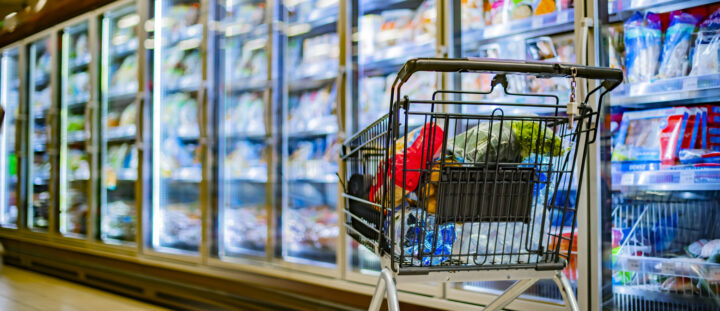
The current jitters are mostly down to massive disruptions in global shipping routes. We’re in 2026, and the world is still incredibly interconnected; when there’s tension in a major trade route halfway across the planet, it doesn’t just delay a few cargo ships. It creates a massive backlog that eventually hits the UK’s front door.
Since we rely on imports for a huge chunk of what we eat, any hiccup in the system ripples out fast. It doesn’t mean the food won’t arrive at all, but it might take a lot longer to get here, cost the supermarkets more to secure, and become a nightmare for shops to source consistently. Basically, the “just-in-time” delivery model we’ve relied on for years is starting to look a bit shaky.
The unexpected issue causing the biggest concern
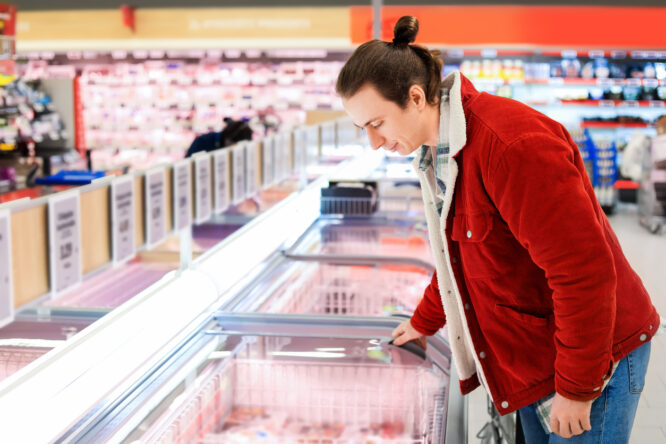
One of the biggest headaches right now has nothing to do with crops or livestock, and everything to do with carbon dioxide. It sounds like something that should only matter to school science labs, but CO2 is the lifeblood of the food industry. It’s used to keep packaged salad crisp, it’s essential in meat processing, and it’s what puts the bubbles in your beer.
If the supply of CO2 drops, the whole system starts to jam up. Meat can’t be processed as quickly, and fresh food doesn’t stay fresh for nearly as long. This is where those shortages actually start. It’s not that there’s no chicken in the country; it’s that the system required to get that chicken from the farm to a sealed packet in your local Tesco is struggling to keep up.
The foods most likely to be affected if disruptions continue
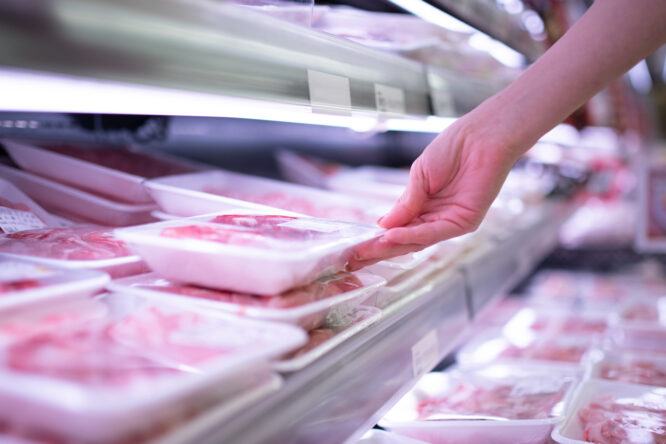
While nobody’s predicting a total blackout of any specific food group, some items are much more exposed than others. Fresh meats like beef, pork, and chicken are usually the first to feel the pinch because of that CO2 dependency. You might also find that convenience items—things like ready meals, pre-packed sausages, and even your lunchtime meal-deal sandwich—become a bit harder to find.
Then there’s the drinks aisle. Fizzy drinks and beer rely on the same gas supply, so you might notice fewer options or higher prices there too. For most of us, this doesn’t mean we’ll go hungry; it just means we’ll have less choice, shorter dates on the packets, or we’ll have to settle for a brand we don’t usually buy.
Why supermarkets might look different rather than empty
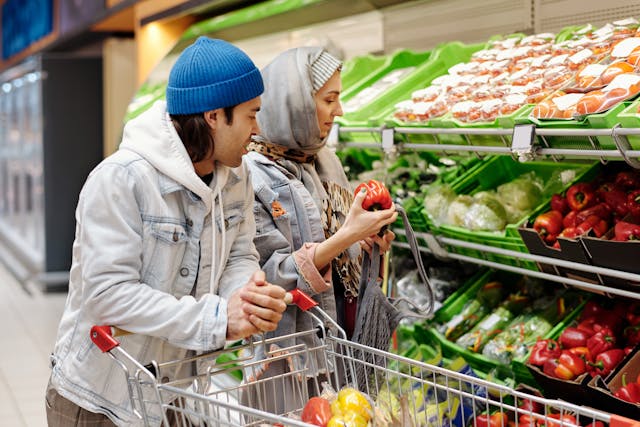
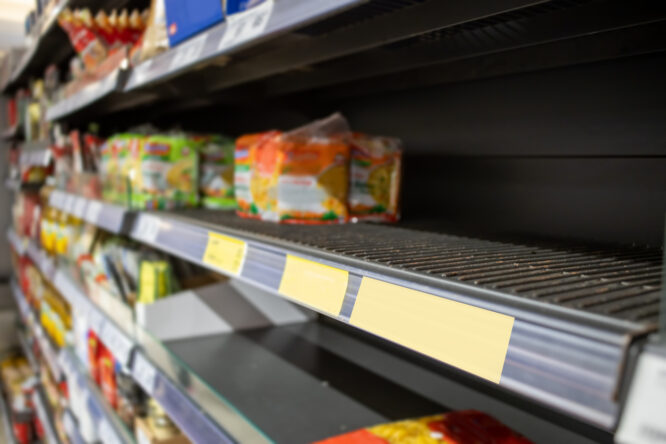
If things do get worse, your local supermarket probably won’t look like a ghost town. Instead, it’ll just look a bit… off. You’ve probably seen it before: certain gaps on the shelves, or the same product being spread out to cover up a hole where something else should be.
Basically, there will be a lot of inconsistency across the board. You might go in for a specific type of pasta or a particular brand of yogurt and find it’s just not there today. The shops still have plenty of food, but they won’t always have the exact thing you’re looking for in the quantities you’re used to. It’s a nuisance rather than a crisis, but it’s a sign that the system is under real pressure.
The industries likely to feel it first
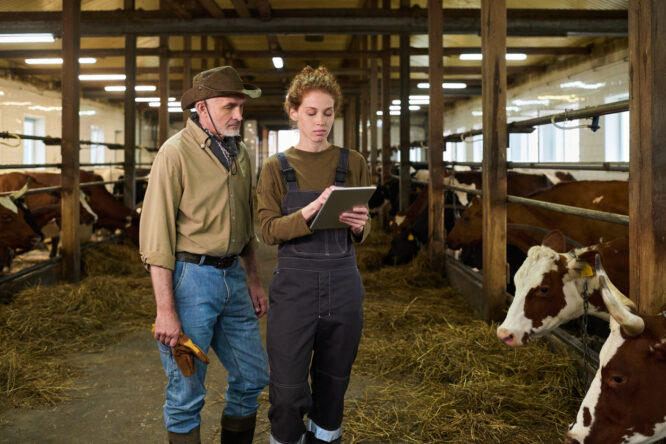
Supermarkets are actually the last link in the chain, so by the time you notice a gap on the shelf, the people further up the line have been struggling for weeks. Farmers, food producers, and the hospitality industry are usually the first to deal with the fallout.
These businesses rely on rock-solid supply chains to stay profitable. If a farmer can’t get the materials they need or a restaurant can’t source a key ingredient, they have to pivot fast. If those disruptions carry on, it takes a while for the industry to adjust, and that’s when the effects finally start filtering through to the person doing their weekly shop on a Tuesday night.
How rising fuel costs are adding pressure
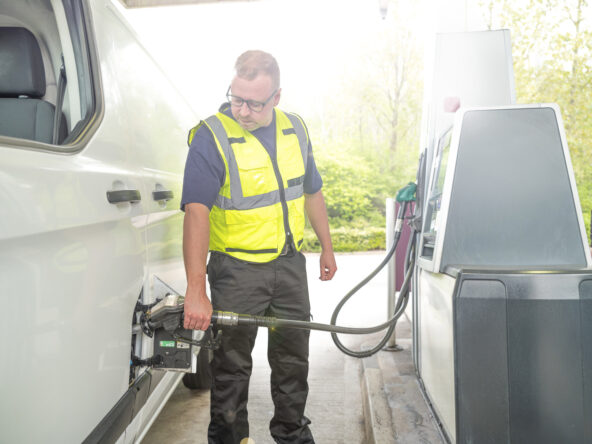
We can’t talk about food without talking about fuel. Rising costs at the pump make every single leg of a food item’s journey more expensive. Whether it’s the tractor on the farm or the HGV delivering to the depot, someone has to pay for that extra diesel.
This is where the problem transitions from availability to affordability. Even if the shelves stay full, those extra transport costs almost always end up being passed on to the customer. So, while the food might be there, the price on the little plastic tag is likely to keep creeping up, making it harder for a lot of households to keep their trollies full.
Why this isn’t expected to become a full-blown crisis
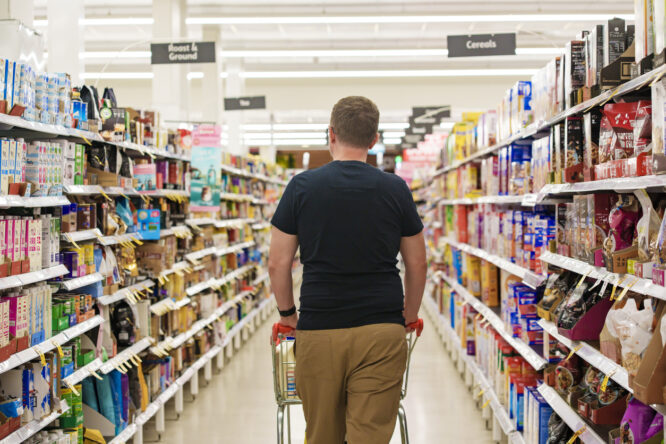
Despite the warnings, nobody is expecting a full-scale breakdown of the UK’s food supply. We still have incredibly strong systems in place and plenty of ways to manage these bumps in the road. Government officials and industry bosses are watching it closely, but the general consensus is that we’re looking at a period of limited availability and price pressure rather than a total collapse.
It’s a risk, not a certainty. A lot depends on how long the global shipping issues last and whether we can find reliable ways to top up our CO2 supplies. If things settle down quickly, most of us will barely notice a difference. If they don’t, the changes will be gradual—a slow build-up of small frustrations rather than a sudden shock.
What to expect as a shopper
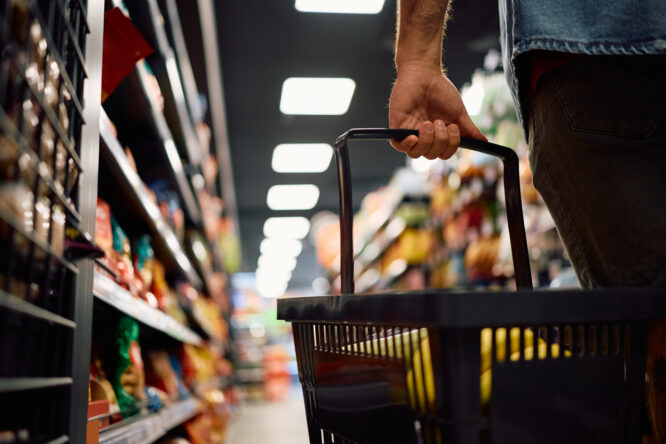
For the average person, life will carry on pretty much as normal, but with a few more substitute items in your online shopping basket. You might notice prices creeping up a few pence at a time, or find yourself having to visit a second shop to find that one specific ingredient for Sunday lunch.
It’s the kind of change that’s easy to miss at first but becomes more obvious over a few months. It’s a reminder of just how much work goes into making sure we can buy strawberries in the middle of winter or get a fresh loaf of bread every morning.
This could be a learning opportunity for the UK
More than anything, this whole situation highlights how dependent the UK is on a massive, invisible web of logistics. When the system is working, it’s perfectly seamless, and we never give it a second thought. But when one small part of it—like a shipping lane or a gas supply—starts to wobble, it reveals just how delicate the whole thing actually is.
It’s a lesson in how our food doesn’t just appear on the shelves; it’s the result of an incredibly complex process of processing, transporting, and clever timing. For now, there’s no need to stockpile, but it’s worth being aware that the era of having everything we want, exactly when we want it, is facing a bit of a reality check.