A test made up of just three short questions that claims to reveal something meaningful about how your brain works sounds almost too simple to be taken seriously.

There’s no long exam, no revision, no specialist knowledge needed—just a few quick problems that look like something you could answer in seconds. However, this so-called “world’s shortest IQ test,” also known as the Cognitive Reflection Test, has been used in psychology for years, and most people don’t get all the answers right. In fact, only around 17% of people manage to answer all three correctly, which says less about intelligence and more about how we think when we’re put on the spot.
Why this test is harder than it looks

The Cognitive Reflection Test was created by a researcher at MIT. It’s not really about knowledge or how much you’ve learned over time. Instead, it focuses on something much more specific: your ability to pause and question your first instinct before answering.
Each question is designed to tempt you into giving an answer that feels obvious. It arrives quickly, feels right, and seems too simple to doubt. That’s exactly the trap. The test is built so that the first answer most people think of is wrong, and the correct answer only appears if you slow down and work through it properly.
That’s why so many people get caught out. It’s not that the questions are complicated; it’s that they play directly against how your brain naturally likes to operate when it wants to save time and effort.
The three questions that catch people out

Here are the three questions used in the test. Take your time with them because the instinctive answer is usually the wrong one.
1. A bat and a ball cost $1.10 in total. The bat costs $1 more than the ball. How much does the ball cost?
Most people immediately say 10 cents because it feels neat and obvious. But if the ball cost 10 cents, the bat would cost $1.10, which pushes the total too high. The numbers don’t quite work when you check them properly.
2. If it takes five machines five minutes to make five widgets, how long would it take 100 machines to make 100 widgets?
The instinct here is to scale everything up and assume it takes longer, but the key detail is that all the machines are working at the same time. That changes how you need to think about the problem.
3. In a lake, there is a patch of lily pads that doubles in size every day. If it takes 48 days to cover the entire lake, how long does it take to cover half of it?
Many people try to divide the number in half and say 24 days, but that doesn’t match how doubling works. The growth speeds up dramatically towards the end, which is what makes this question tricky.
What’s actually happening in your brain
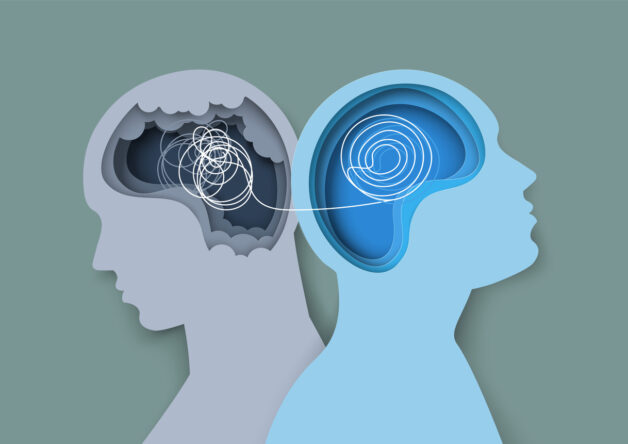
The reason these questions work so well comes down to two different ways your brain processes information. One is fast, automatic, and based on instinct. The other is slower, more deliberate, and requires effort.
Most of the time, your brain relies on the fast system because it’s efficient. It helps you make quick decisions without stopping to analyse everything. In everyday life, that’s useful. It saves time and energy. However, in situations like this, it can lead you in the wrong direction. The fast answer feels right, so you go with it without checking. The slower system only kicks in if you make a conscious effort to stop and think things through.
This test is essentially measuring how willing you are to switch from that quick, instinctive response to a more careful way of thinking.
Why so many people get them wrong

The interesting part is that even people who consider themselves good at problem-solving often get at least one question wrong. That’s because the test isn’t about difficulty in the usual sense, but hww confident you feel in your first answer. When something seems obvious, most people don’t feel the need to double-check it. That confidence is exactly what the test relies on.
There’s also a time pressure element, even if it’s not stated. When you see a simple question, your brain wants to move on quickly. Slowing down feels unnecessary, which is why many people don’t do it. In that way, the test reveals something quite relatable. It shows how often we trust our first reaction without really thinking it through.
The answers explained properly

If you worked through the questions carefully, here are the correct answers:
1. 5 cents
2. 5 minutes
3. 47 days
The first answer works because if the ball costs 5 cents, the bat costs $1.05, which adds up correctly to $1.10. It’s a small adjustment, but it completely changes the result.
The second works because each machine produces at the same rate. If five machines can make five widgets in five minutes, then 100 machines can make 100 widgets in the same amount of time, because they’re all working simultaneously.
The third works because doubling means the lake reaches half its size one day before it’s full. So if it’s completely covered on day 48, it must have been half covered on day 47.
None of the answers are complicated once you break them down, which is what makes the test so effective.
What your result really says about you
Despite how it’s often described, this isn’t a full IQ test. It doesn’t measure intelligence in a broad or complete way. Instead, it focuses on something more specific, how you approach a problem when your instincts are trying to rush you.
People who get all three right tend to be better at stepping back and questioning their first thought. They’re more likely to pause, reconsider, and check their logic before committing to an answer. That doesn’t mean people who get it wrong aren’t intelligent. It simply means they relied on fast thinking, which is something everyone does in everyday life.
What this says about how we think day to day

The bigger takeaway from this test isn’t about passing or failing. It’s about how easily we can feel certain about something that hasn’t actually been thought through properly. In real life, that can show up in all sorts of ways. Quick decisions, assumptions, or snap judgments that feel right at the time but don’t hold up when you look at them more closely.
That’s why the test has remained popular in psychology. It’s simple, quick, and surprisingly revealing. Not because it tells you how smart you are, but because it shows how your brain handles that moment between instinct and reflection. Once you notice that, it’s hard not to see it everywhere.