Households across the UK could soon be rewarded for something as simple as doing the washing at the right time.

A new energy scheme is opening the door to free or cheaper electricity during periods when there’s more power being generated than the country actually needs. It sounds unusual at first, but it reflects a bigger change in how the energy system is starting to work. Instead of always asking people to use less, energy companies are now being encouraged to get customers to use more at certain times, especially when renewable energy is overflowing.
Why electricity could be free at certain times
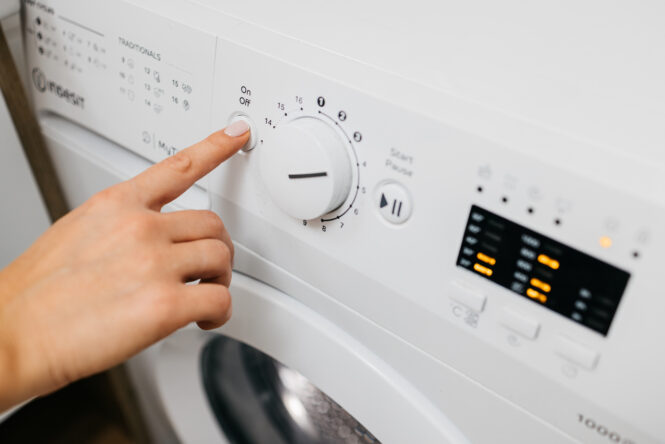
The idea comes from an updated version of the UK’s Demand Flexibility Service, which has been approved by the energy regulator Ofgem. In simple terms, it allows energy companies to reward customers for using electricity when there’s too much of it on the system.
This often happens during sunny or windy periods, particularly in the summer. Solar panels generate large amounts of electricity on bright days, while demand tends to be lower because people aren’t using heating and the days are longer. That combination can leave the grid with more power than it needs.
Rather than wasting that extra energy, the system now aims to use it more efficiently by encouraging households to run appliances during those periods instead.
What households could actually get
For customers, this could mean access to free electricity at certain times, or heavily discounted rates. In some cases, energy companies may offer rewards such as points or vouchers instead. What you receive will depend on your supplier and how they choose to pass on the incentives. The system itself pays energy companies for helping to balance supply and demand, and they then decide how to reward customers for taking part.
The key point is that you won’t automatically get free power all the time. These offers will only apply during specific windows when there’s excess electricity available.
How it will work in everyday life

The system will be managed centrally, with the National Energy System Operator deciding when these periods of surplus energy are happening. Energy suppliers will then notify customers and encourage them to use electricity during those times. That could mean being asked to run your washing machine, dishwasher, or charge an electric vehicle during certain hours, often at weekends or on sunny days when solar generation is high.
It’s a reversal of the usual advice. Instead of avoiding peak times, you may occasionally be encouraged to use more energy, just at the right moment.
Who can take part in the scheme
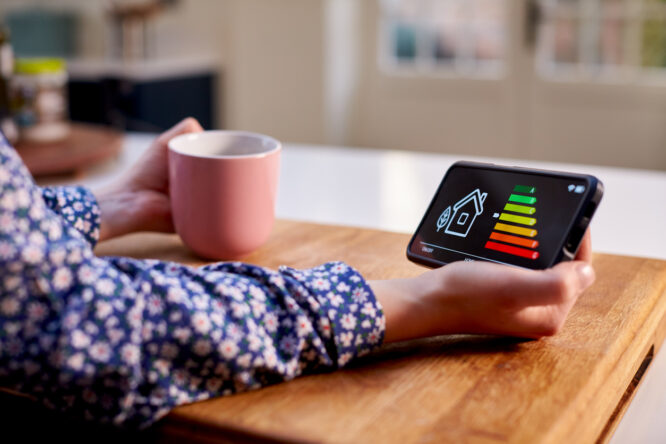
The scheme is open to households with a smart meter and an energy supplier that has signed up. Companies involved so far include major names like British Gas and Octopus Energy, along with newer providers. Without a smart meter, it’s much harder for suppliers to track when electricity is being used, which is why participation depends on having one installed.
It’s also worth noting that availability may vary depending on where you live. Some areas might be encouraged to increase usage while others are asked to reduce it, depending on local conditions.
Why this is becoming more common
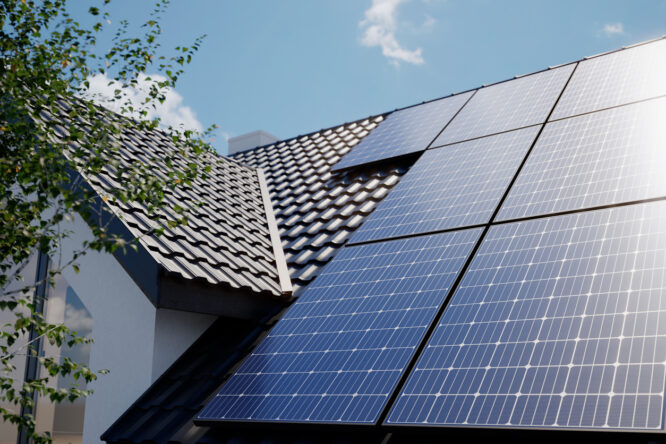
The change is largely being driven by the rapid growth of renewable energy. The UK is producing more electricity from sources like wind and solar than ever before, and that’s starting to change how the grid needs to be managed.
On some days, especially in 2025, renewable sources were generating a large share of the country’s electricity. Solar power in particular has grown quickly, helped by a surge in rooftop installations. At the same time, demand doesn’t always match that supply. Warm weather and longer daylight hours reduce overall usage, which means there are more moments when the grid has surplus power.
What this means for the future of energy use

The bigger change here is how flexible energy use is becoming. Instead of a fixed pattern where people use electricity whenever they want, the system is slowly moving towards one where timing matters more. That doesn’t mean households will have to constantly change their routines, but it does suggest that using energy at certain times could become more rewarding in the future.
It also highlights how the transition to renewable energy brings new challenges. Managing supply is no longer just about producing enough power, but also about using it efficiently when it’s available. For households, that could mean a simple trade-off. A bit of flexibility in when you use appliances could lead to noticeable savings, or even the occasional free load of washing on a sunny weekend.