Navigating the supermarket oil aisle is a minefield when you’re trying to eat for your health, especially since we’ve been told for years that “vegetable” always equals “good.”
If you’re managing fatty liver disease, that kitchen staple you’re pouring into the pan might be doing a lot more than just frying your dinner; it could be actively fuelling the inflammation your liver is already struggling to handle. While some fats are essential for keeping things running, certain highly processed oils are packed with compounds that essentially act like a red rag to a bull for a sensitive digestive system.
Gastroenterologists are now pointing out that the heart-healthy labels on the front of the bottle don’t always tell the full story about what happens once those fats hit your gut. Swapping out a couple of these common culprits is one of the quickest ways to take the pressure off your liver and actually start the healing process.
Oils high in saturated fat mean your liver has to work harder to process.
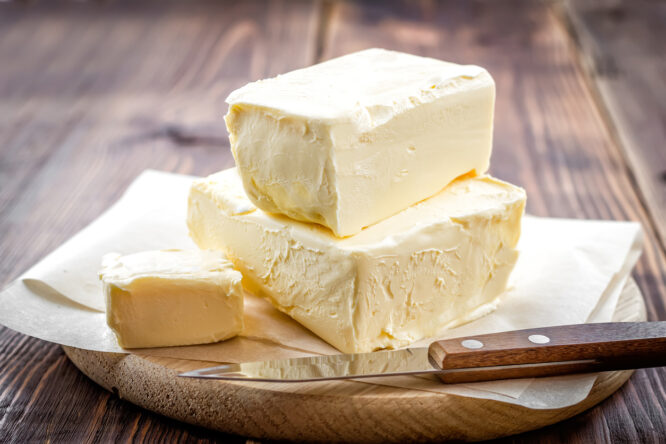
Oils like coconut oil, palm oil, butter, and ghee tend to come up a lot in liver conversations because they’re high in saturated fat. That kind of fat is linked to increased fat buildup in the liver, especially in people who already have fatty liver disease or are at risk of it. It’s not that these foods are instantly harmful on their own, but when they’re used regularly and in larger amounts, they can push things in the wrong direction.
Most people don’t realise how easy it is to overuse them, especially when they’re seen as natural or traditional. Cutting back doesn’t mean removing them completely, it just means being a bit more aware of how often they’re showing up in your cooking and how much you’re actually using.
Refined oils lose their benefits during heavy processing.

Highly refined oils often go through heat and chemical processing that strips away many of the naturally helpful compounds. What you’re left with is something that still adds calories and fat, but without much nutritional benefit to balance it out. These oils are also commonly used in packaged foods, which adds to overall intake without people thinking about it.
As time goes on, relying on these oils doesn’t do your liver any favours, especially when they’re used at high heat or reused during cooking. It’s one of those habits that feels small but builds up across meals and weeks without much attention.
Partially hydrogenated oils still show up in everyday foods, but they’re not great for you.

Partially hydrogenated oils contain trans fats, which are widely linked to worse metabolic health and increased fat accumulation. They’re less common than they used to be, but they still appear in some processed foods, baked goods, and takeaways. From a liver point of view, these are the ones doctors tend to say avoid where possible, rather than just limit. They don’t offer any real benefit, and they add an extra layer of strain that your body doesn’t need.
The habit of reusing cooking oil again and again can be harmful.
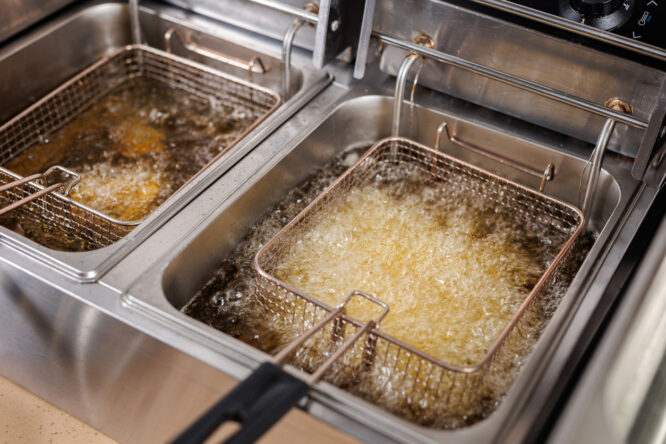
This is something that gets overlooked, especially at home. Reheating oil multiple times, particularly for frying, changes its structure and can lead to the formation of compounds that aren’t great for your body. It’s often done to save money or avoid waste, but it can end up doing more harm than good over time. Using fresh oil more often, or reducing how much you fry food altogether, tends to be a better approach for long-term liver health.
The overuse of any oil, even the ones considered healthier, isn’t a good choice.
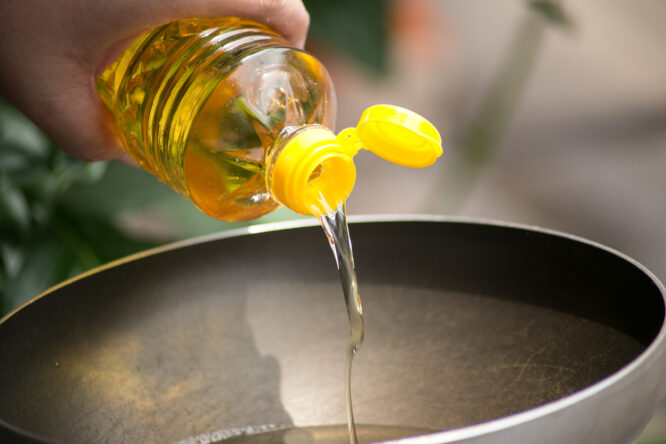
Even oils that are generally seen as better choices can become an issue if they’re used without much thought. They’re still calorie-dense, and too much fat overall can contribute to weight gain, which is one of the biggest drivers of fatty liver disease. It’s easy to pour more than you think, especially when cooking quickly or eyeballing portions. Keeping an eye on quantity, rather than just type, is one of the simplest ways to keep things balanced without making big changes.
The heavy reliance on ultra-processed foods packed with hidden oils is harming our health.

A lot of the oils people consume don’t come from the bottle at home, they come from ready meals, snacks, and takeaways. These foods often use cheaper refined oils in larger quantities to improve taste and shelf life. The combination of high fat, processing, and added ingredients tends to put more pressure on the liver than simple home cooking. Switching even part of your routine towards fresher meals can make a noticeable difference over time.
Oils high in omega-6 become problematic when they dominate your diet.

Some commonly used oils, especially in processed foods, are high in omega-6 fats. These aren’t inherently bad, but when they heavily outweigh omega-3 intake, they can contribute to inflammation in the body. The issue isn’t that these oils exist, it’s that they can become the main type of fat in someone’s diet without balance. Bringing in a wider mix of fats tends to support better overall health, including how your liver functions.
The confusion around “plant-based” automatically meaning healthy is a problem.

There’s a common assumption that if an oil comes from plants, it must be good for you. In reality, it depends on how it’s processed and how it’s used. Some plant oils are excellent choices, while others are more neutral or less helpful when overused. That’s why advice from liver specialists usually focuses on choosing simpler, less processed options and using them in moderation rather than relying on labels alone.
Oils replace healthier choices without improving overall habits don’t do you any favours.

Switching oils can help, but it doesn’t cancel out everything else. If the rest of your diet is high in sugar, refined carbs, or ultra-processed foods, the liver is still under pressure regardless of which oil you use. Doctors tend to look at the bigger picture. Oil choices matter, but they work best alongside other small, realistic changes rather than as a quick fix on their own.
The oils gastroenterologists tend to suggest instead for better liver health
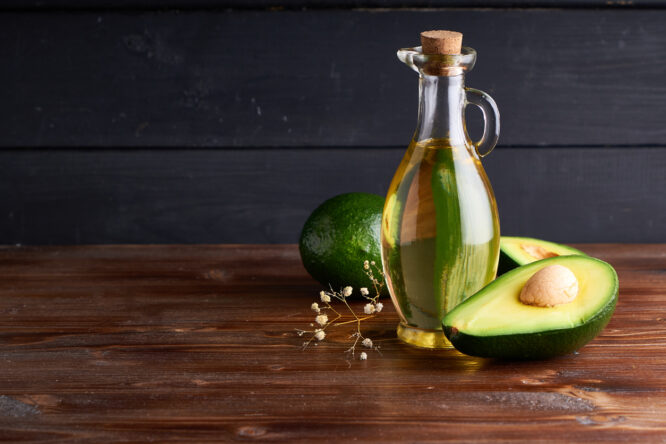
Most liver specialists don’t tell people to cut out oil completely, they just steer them towards better choices. Oils like extra virgin olive oil, rapeseed oil, and avocado oil are commonly recommended because they’re higher in unsaturated fats, which are generally easier on the liver and linked to better overall metabolic health.
It doesn’t have to be complicated, either. Swapping butter or coconut oil for olive oil when cooking, or using rapeseed oil for higher heat, is usually enough to start making a difference. The goal isn’t perfection. it’s just making small changes that feel doable and add up over time.