Think you’d do well on a quiz show? Let’s find out.
It’s easy to feel confident when the questions seem simple. The early rounds usually go smoothly, and you start thinking you’d hold your own under pressure, but that doesn’t last. As the questions get tougher, the margin for error shrinks, and even familiar topics start to feel less certain. Most people don’t get past 15, so let’s see how far you actually make it.
What colour is the circle on the Japanese flag?
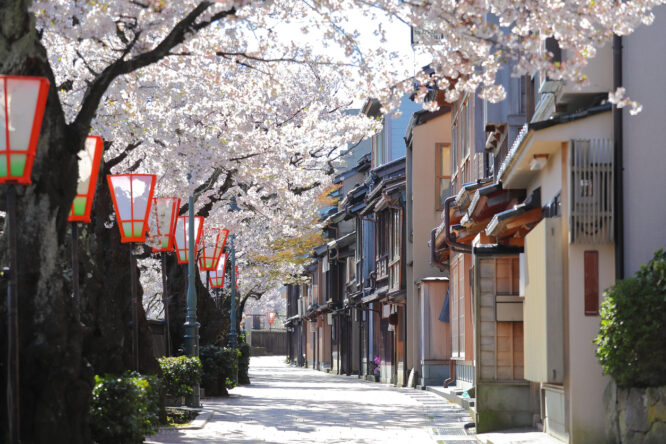
This is one of the simplest national flags in the world, but the meaning behind it matters more than the design. The circle represents something symbolic rather than decorative. Think about what Japan is often associated with.
How many days are there in a leap year?

This happens every four years to keep our calendar aligned with the Earth’s orbit. It’s a small adjustment, but it makes a big difference over time. Most people remember it once they think about February.
Which animal is known as the “King of the Jungle”?
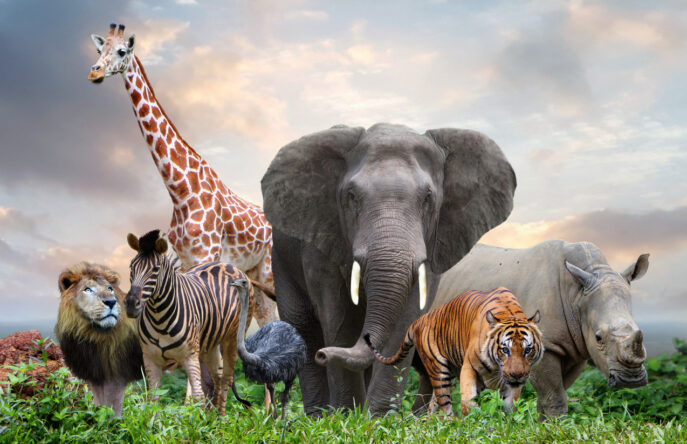
This nickname is more about image than accuracy. The animal itself doesn’t actually live in jungles, which throws some people off. Think about strength and reputation rather than habitat.
What is H2O more commonly known as?

This is one of the most basic chemical formulas you’ll ever learn. It’s something you use every single day without thinking about it. The scientific name sounds more complicated than it really is.
Which planet is closest to the sun?
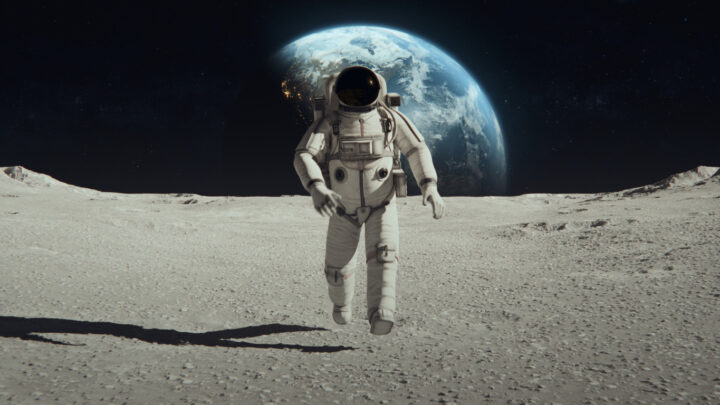
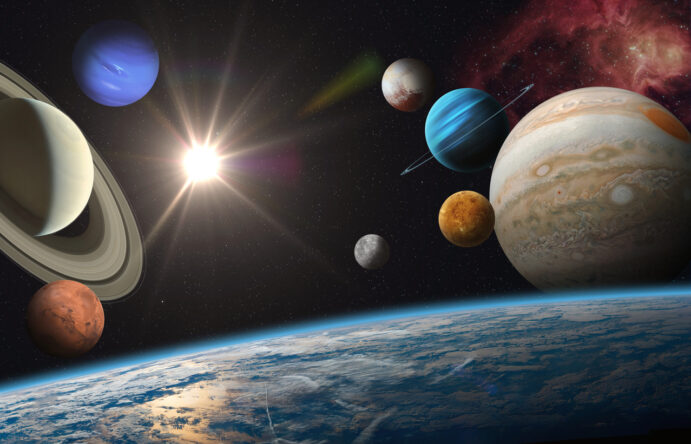
This planet has the shortest orbit in our solar system. It’s small, fast, and sits right at the centre of everything. People often mix it up with brighter planets nearby.
Who wrote Romeo and Juliet?
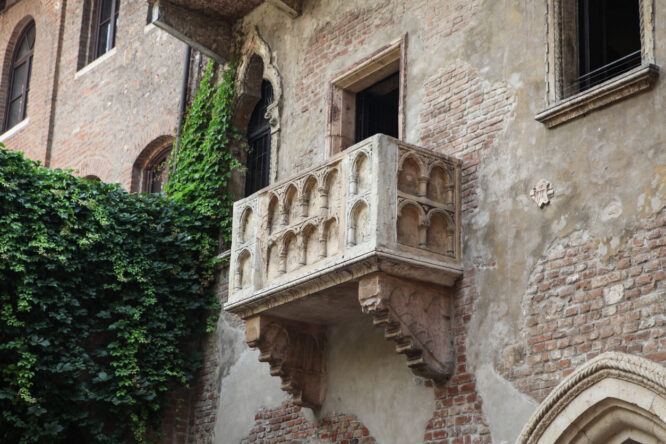
This is one of the most famous love stories ever written. It’s been adapted countless times across film and theatre. The writer is one of the most recognised names in English literature.
What is the capital of Australia?
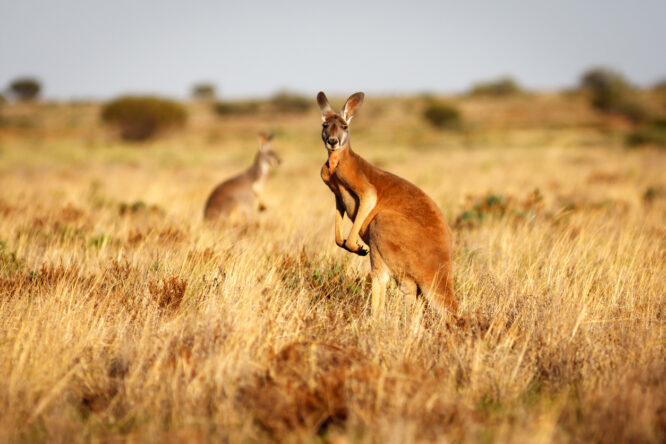
This one catches a lot of people out because it’s not the city you’d expect. The two biggest cities tend to distract from the correct answer. Think about the purpose-built capital instead.
Which metal has the chemical symbol Fe?

The symbol doesn’t match the English name, which is where people slip up. It comes from the Latin word for the metal instead. This is one of the most widely used metals in the world.
How many continents are there?
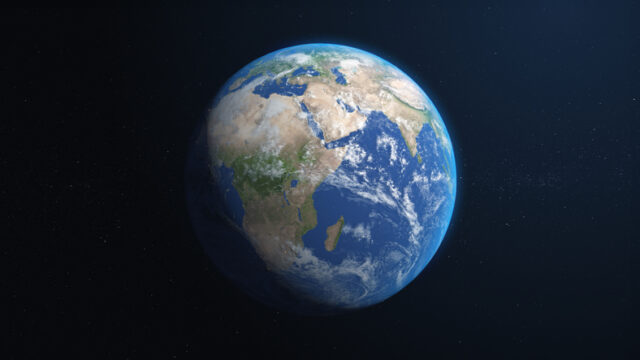
This is something most people learn early in school. The number stays consistent across most global education systems. It’s easier once you picture a world map.
What is the largest mammal in the world?

It’s easy to think of land animals first, but that’s not the answer here. The ocean is where you’ll find something far bigger. Think about scale rather than visibility.
Which country hosted the 2012 Olympics?

This was a major global event that many people still remember clearly. The opening ceremony alone made headlines worldwide. Think back to where it was held.
What is the boiling point of water at sea level?

This is a standard measurement used in both science and everyday life. It can change slightly with altitude, but there’s a widely accepted number. Most people learned this in school.
Which organ pumps blood around the body?

This organ works constantly without you noticing. It keeps everything moving and functioning properly. Without it, circulation wouldn’t happen at all.
Who painted the Mona Lisa?
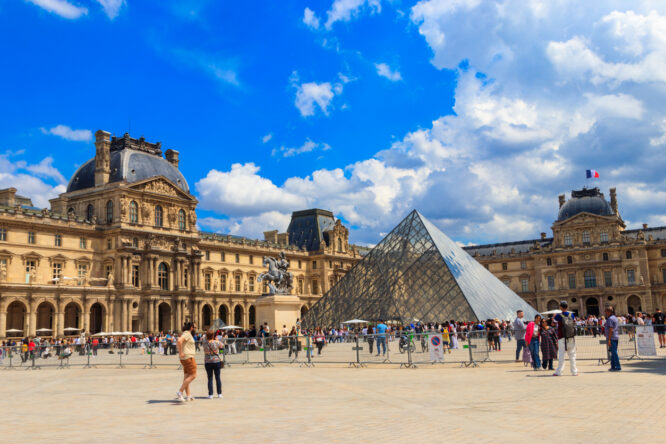
This painting is one of the most famous artworks ever created. It’s known for its detail and the mystery behind the subject’s expression. The artist is just as well known.
Which gas do plants absorb from the air?

This is part of the process that allows plants to grow and produce energy. It’s the opposite of what humans rely on to breathe. Think back to basic biology lessons.
What is the smallest prime number?
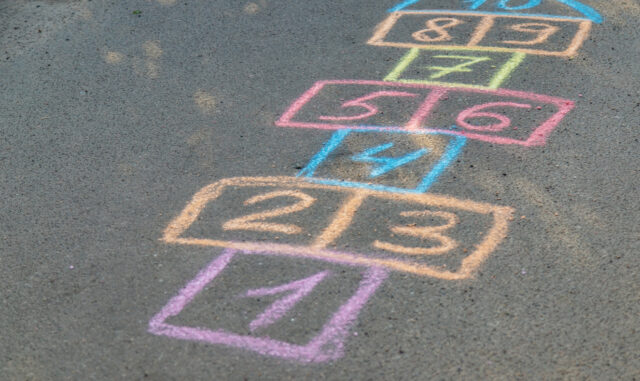
Prime numbers can only be divided by themselves and one. This makes the smallest one easy to overlook if you rush it. It’s the first number that fits that rule.
Which country is known as the Land of the Rising Sun?

This nickname is tied to geography and how the country is positioned. It has been used for centuries and is widely recognised. Think about countries in the far east of Asia.
What is the hardest natural substance on Earth?
This material is often linked with jewellery and luxury. It’s known for its strength and durability. Despite its value, it forms naturally.
Who discovered gravity after seeing a falling apple?
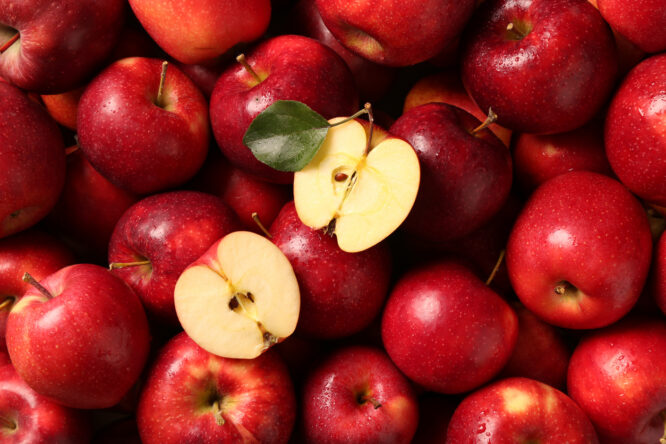
This is one of the most well-known stories in science. Whether fully accurate or not, it’s become symbolic of discovery. The scientist behind it is widely recognised.
What is the capital of Canada?
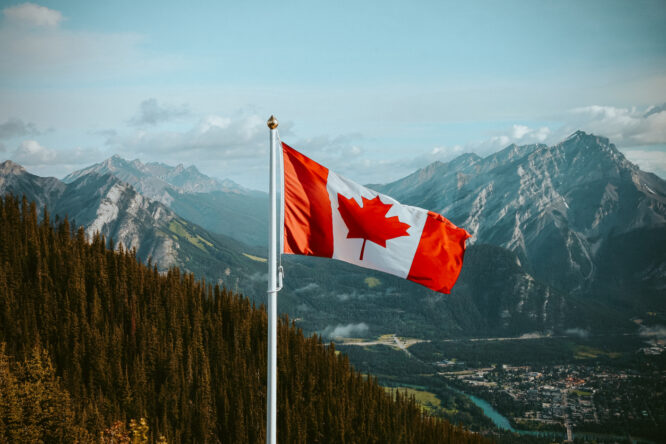
This capital isn’t the most famous city in the country, which is why it catches people out. Larger cities often distract from the answer. Think about the political centre.
Which ocean is the largest?
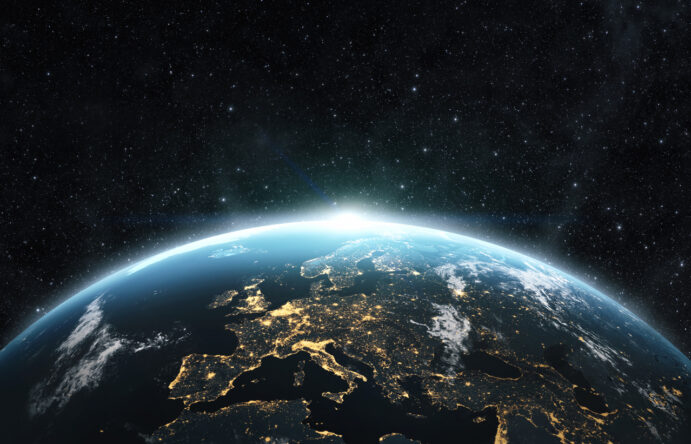
This ocean covers a huge portion of the Earth’s surface. It stretches across multiple continents and dominates the map. Its size alone makes it hard to miss.
What is the chemical symbol for gold?

Like some elements, the symbol doesn’t match the English word. It comes from an older language. This one often trips people up if they rely on instinct.
Which instrument has keys, pedals and strings?
This instrument combines several mechanics in one. It’s used in everything from classical music to modern songs. Most people have seen one, even if they don’t play it.
How many sides does a hexagon have?

The name gives a strong hint if you recognise the prefix. It’s a common shape found in nature and design. Don’t overthink it.
Which country gifted the Statue of Liberty to the USA?
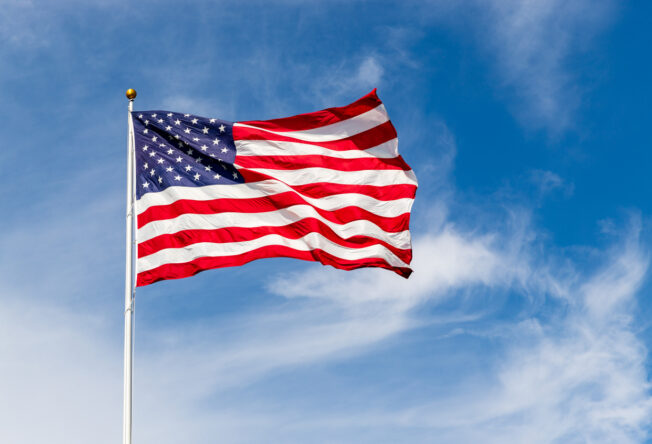
This was a symbolic gift celebrating a long-standing relationship. It reflects shared values and history between two nations. The country is well known for its cultural influence.
What is the fastest land animal?

This animal is built for speed rather than endurance. It can reach incredible speeds over short distances. You’ve likely seen it in wildlife footage.
Which blood type is known as the universal donor?

This blood type can be given to almost anyone in emergencies. That’s what makes it so important in medicine. It isn’t the most common type.
What is the square root of 144?

This is a straightforward maths question once you break it down. Think of a number multiplied by itself. It’s simpler than it looks.
Which country has the largest population?

This has recently changed, which is where people get caught out. For years, one country held the top spot. Now another has taken over.
What is the longest river in the world?

This is one of those questions that still sparks debate. Different measurements can lead to different answers. There is one that’s most commonly accepted.
How did you do? Here are the answers and your score

If you made it all the way through, that’s already a solid effort. It starts simple but gets tougher than most people expect, especially after the halfway point. Now it’s time to see how you actually did.
Answers

1. Red
2. 366
3. Lion
4. Water
5. Mercury
6. William Shakespeare
7. Canberra
8. Iron
9. Seven
10. Blue whale
11. UK
12. 100°C
13. Heart
14. Leonardo da Vinci
15. Carbon dioxide
16. 2
17. Japan
18. Diamond
19. Isaac Newton
20. Ottawa
21. Pacific
22. Au
23. Piano
24. Six
25. France
26. Cheetah
27. O negative
28. 12
29. India
30. Nile
Your score
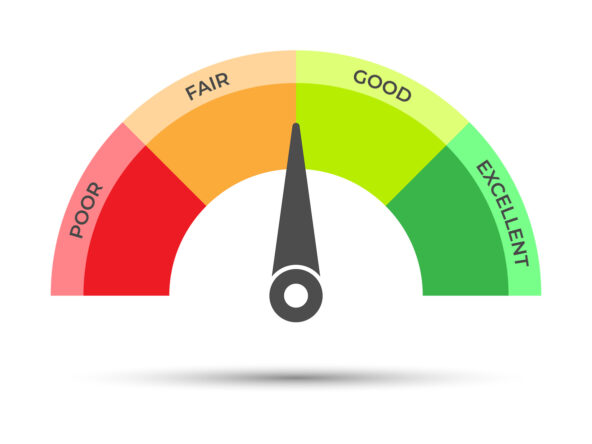
0–10: You gave it a go, but this one ramps up quickly and catches most people out early.
11–20: A solid general knowledge base. You handled the early rounds well and stayed consistent.
21–25: Very strong performance. You’re well above average across a wide mix of topics.
26–30: Seriously impressive. You’d be more than comfortable in a real quiz setting.
Most people don’t get past 15 — how far did you make it?