Most of us go into a home renovation assuming that every pound spent is an investment that’ll eventually come back to us with interest.

We figure that as long as we’re making the place look newer or more modern, the selling price can only go in one direction. However, there’s a fine line between a smart upgrade and a personal passion project that makes your house a nightmare for the next person who looks at it.
Ripping out essential storage or installing high-maintenance features that sound great on paper but look like a chore in practice, some of the most expensive changes can actually shrink your pool of potential buyers. Before you knock down that wall or commit to a niche design trend, you should probably know which “improvements” are actually just expensive ways to make your property less appealing to the rest of the market.
Converting a bedroom into something else
This is one of the most frequently flagged mistakes by property finance specialists. Turning a spare bedroom into a home gym, a walk-in wardrobe, or a dedicated office might make your day-to-day life considerably more comfortable, but it can seriously damage your property’s valuation. The number of bedrooms is one of the most significant factors in how a home is priced and which bracket of buyers it attracts.
For family homes in particular, losing a bedroom can push a property out of the range that competing homes sit in, and that lost bedroom can be worth tens of thousands of pounds in certain markets. Jamie Williams, property finance specialist at Pure Property Finance, puts it plainly: spare bedrooms appeal to almost everyone, while niche rooms appeal to very few.
Over-personalised interiors

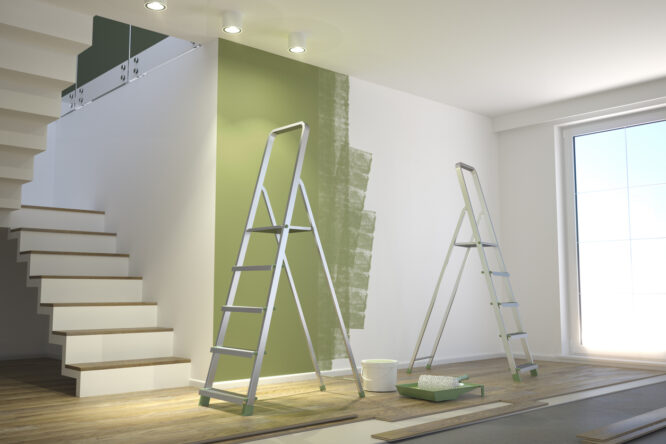
Renovating with your own taste at the centre of every decision is completely natural, but it’s one of the most common ways homeowners reduce their buyer pool without realising it. Bold paint colours, statement wallpapers, murals, themed rooms, and very specific design choices all have the same effect: they force prospective buyers to mentally calculate how much it would cost to undo everything before they’ve even made an offer.
That calculation almost always results in a lower bid. Most buyers want a neutral canvas they can make their own, and anything that feels like a lot of work to unpick will be deducted from what they’re willing to pay. Estate agents consistently report that heavily personalised homes sit on the market longer and sell for less than comparable neutral properties.
A swimming pool

In a warmer country, a swimming pool might be a genuine selling point. In the UK, it’s almost universally seen as a liability. The climate limits its usability to a handful of weeks each year, while the running costs, maintenance requirements, and insurance implications are year-round.
Many buyers actively factor in the cost of removing a pool rather than viewing it as an asset, which can push offers down rather than up. Property experts are consistent on this: a swimming pool in a British garden rarely adds value, and in fact frequently deducts it.
A poorly executed extension
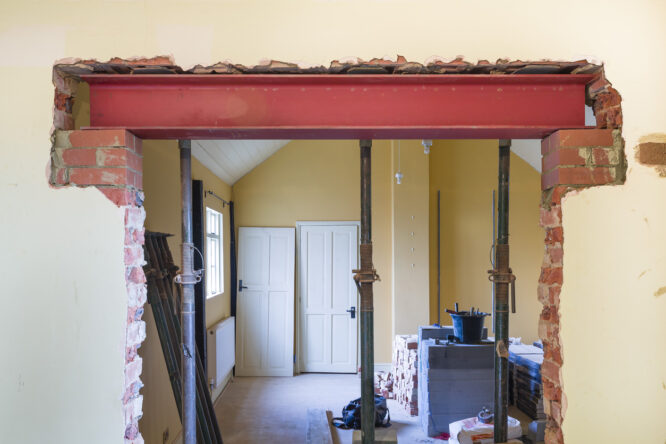
Adding space to a home is one of the most reliable ways to add value, but only when it’s done properly. Low-quality finishes, poor insulation, missing building regulations sign-off, or an extension that disrupts the flow and natural light of the existing property can make buyers nervous rather than enthusiastic.
An extension that hasn’t been signed off under building regulations is a specific problem that can cause real issues during conveyancing and put buyers off entirely. The principle is straightforward: a good extension adds value, but a bad one can cost more to fix than it added in the first place.
Removing a bath from a family home

Wet rooms and walk-in showers have become increasingly popular, and replacing a bathroom suite with a shower-only setup can look very contemporary. But in a family home, removing the only bath is regularly cited by estate agents as a mistake that reduces buyer appeal.
Families with young children typically consider a bath essential rather than optional, and a house marketed as a family home without one will rule itself out for a large portion of that market. It’s a change that makes complete sense for the person living there, and very little sense for whoever comes next.
A home cinema room
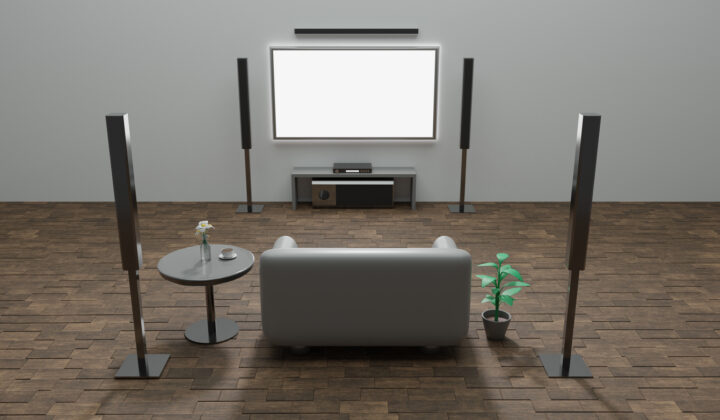
Cinema rooms are an increasingly popular renovation for homeowners who entertain or love film, but they don’t translate well to resale. Like a home gym or a games room, they appeal to a very specific type of buyer and leave everyone else looking at a room they’d have to gut and repurpose.
The cost of fitting a proper home cinema, including soundproofing, specialist seating, projection equipment, and acoustic treatment, is rarely recovered at sale. Buyers see the room not as a bonus but as a conversion project, and adjust their offer accordingly.
Built-in electronics and bespoke fitted furniture

Built-in technology, from integrated speaker systems to smart home setups wired into the walls, can feel like a premium addition but often works against sellers. Technology dates quickly, and what felt cutting-edge when it was installed can feel outdated or simply incompatible with a new owner’s preferences within a few years.
Removing built-in systems is also far more complicated and expensive than removing standalone items, which is a cost buyers factor into their thinking. Similarly, highly bespoke fitted furniture that suits one layout or aesthetic very specifically tends to reduce flexibility in a buyer’s eyes rather than adding to it.
Paving over the front garden

Removing front garden greenery to create parking or a paved driveway was popular for many years, and additional off-street parking does add value in certain areas. But wholesale paving of the front garden has become increasingly unappealing to buyers, partly for aesthetic reasons and partly because of growing awareness around drainage and kerb appeal.
An attractive front garden contributes meaningfully to first impressions, and estate agents note that a property with good kerb appeal consistently attracts stronger offers. Paving also requires planning permission in many cases, and doing it without the necessary approval creates a compliance issue that can surface during conveyancing.
A conservatory that doesn’t work properly
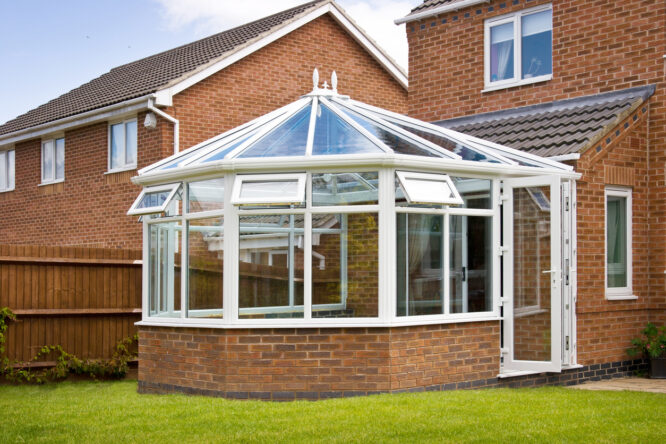
A well-built conservatory with proper insulation, adequate heating, and year-round usability can add genuine value. A poorly designed one that’s unbearably hot in summer, freezing in winter, and essentially unusable for eight months of the year adds very little and can actively put buyers off.
Estate agents report that buyers increasingly view cheap or poorly executed conservatories as a problem to deal with rather than a feature to enjoy. If a conservatory is going to be worth doing, it needs to be done properly, which typically means spending more than the budget options suggest.
Garage conversions done without thinking about parking
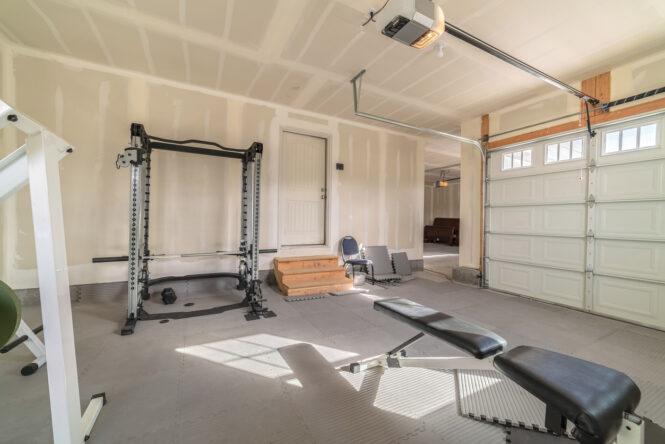
Converting a garage into a living space, an additional bedroom, or a home office can add real value in areas where extra rooms are at a premium. But in locations where off-street parking is scarce and buyers prioritise it, removing the garage to gain a room can result in a net loss.
The calculation depends heavily on where the property is: in a city centre where parking isn’t expected, a garage conversion makes more sense. In a suburban area where buyers are specifically looking for off-street parking, removing it can reduce the asking price more than the additional room adds.