We’ve spent years being told that technology would be the thing to save our food system, but newly released data suggests it’s actually doing the opposite.
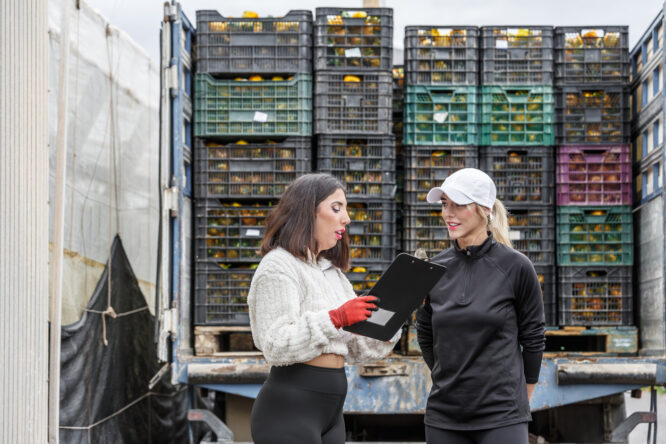
It turns out that truckloads of perfectly edible food are being left to rot or sent to landfill simply because automated approval systems won’t give them the green light. Whether it’s a minor digital glitch or a manifest that doesn’t perfectly match a database, these “computer says no” moments are overriding human judgement and leaving drivers stranded with trailers full of fresh produce.
As the UK pushes toward stricter waste rules, the irony is that our over-reliance on these rigid algorithms is creating a massive, invisible mountain of waste that wouldn’t exist if a person were still making the calls. Here’s why our high-tech supply chains are failing the common-sense test, and what it means for the future of your weekly shop.
Food now has to be “approved” before it can move.
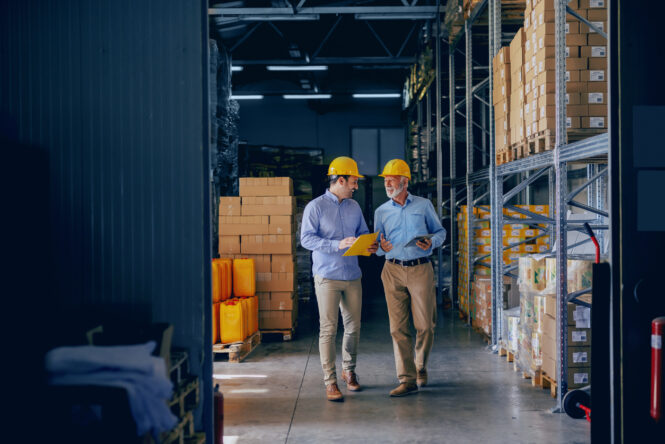
Modern food supply chains are built around digital systems that track, verify, and approve every step of the journey. Before food can be transported, sold, or even unloaded, it has to be recognised by databases and logistics platforms. If that approval doesn’t happen, the food effectively becomes stuck. It might be fresh, packaged, and ready to go, but without digital clearance, it can’t legally move through the system.
When systems fail, food can’t be released.

The problem is what happens when those systems go down. A glitch, outage, or cyberattack can stop shipments in their tracks, even if everything else is working as normal. That means trucks can be fully loaded, warehouses can be stocked, and shops can still face shortages at the same time. The food exists, but the system won’t allow it to move.
It’s already happened during real-world disruptions.
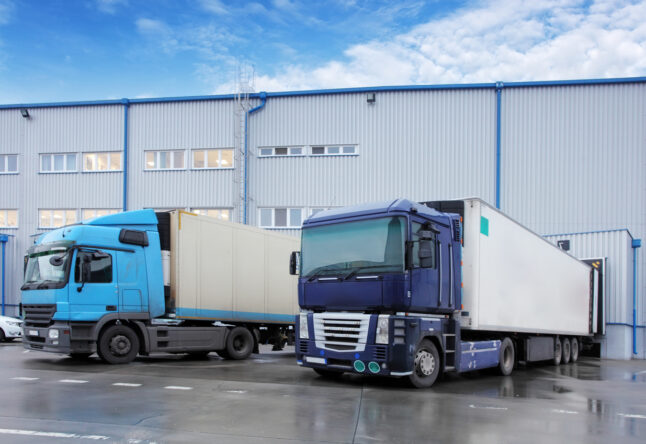
This isn’t just a theoretical issue. Recent cyberattacks on food supply networks have already caused delays and disruptions, particularly in the US, where ordering systems were knocked offline. In those cases, food was physically available, but couldn’t be processed or distributed properly. The result was empty shelves in some areas, even while supplies were sitting unused elsewhere.
Automation is now making key decisions.
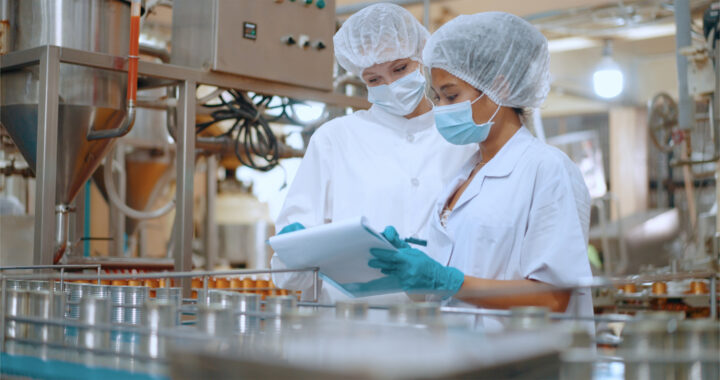
A big part of the issue is how much control has transitioned to automated systems. Software now decides what gets shipped, where it goes, and whether it can be released. These decisions are often made without human involvement, and in many cases, they’re difficult to question or override. That means when something goes wrong, there’s no easy way to step in and fix it.
AI is deeply embedded across the food system.
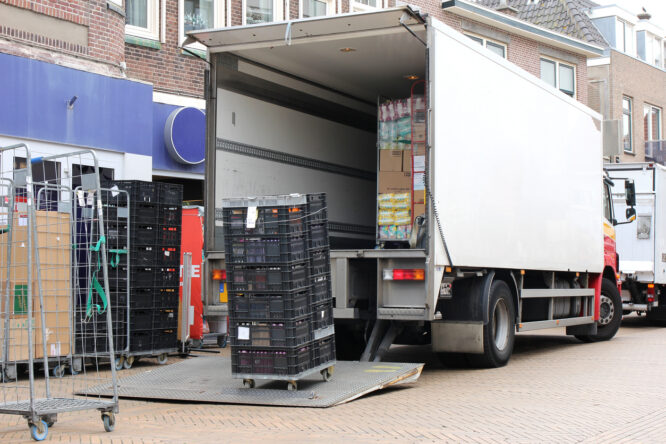
Artificial intelligence and data-driven tools are now used at nearly every stage of the food supply chain. They help forecast demand, manage stock levels, and prioritise deliveries. While this has made the system faster and more efficient, it has also created new risks. When everything depends on digital systems working perfectly, even small failures can have widespread consequences.
Manual backup systems are disappearing.
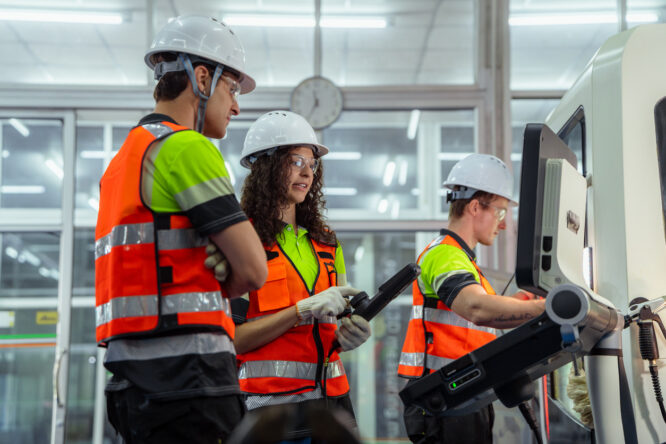
One of the biggest concerns raised by researchers is the loss of manual processes. As systems become more automated, businesses are removing older, slower methods to save time and money. The problem is that when digital systems fail, there’s often no backup left. Staff may not be trained to step in, and paper-based processes that once acted as a safety net have been phased out.
Even short disruptions can cause chaos.
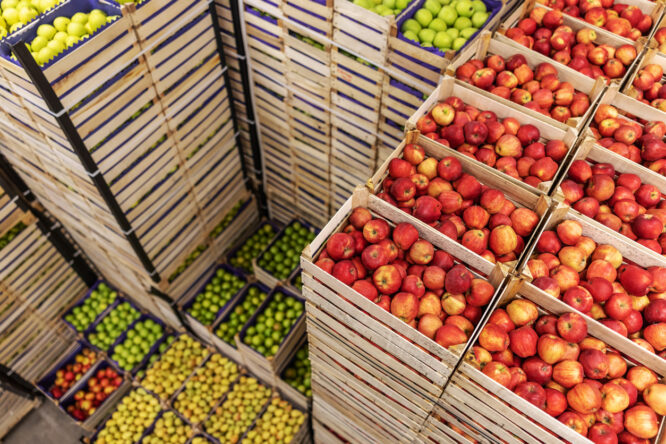
Food supply chains are built around tight timing, especially with fresh products. Many systems rely on “just-in-time” delivery, where goods arrive exactly when they’re needed. If a system failure lasts even a short time, it can throw everything off. Deliveries get delayed, stock levels become inaccurate, and it quickly becomes harder to match supply with demand.
After a few days, systems and reality stop matching.
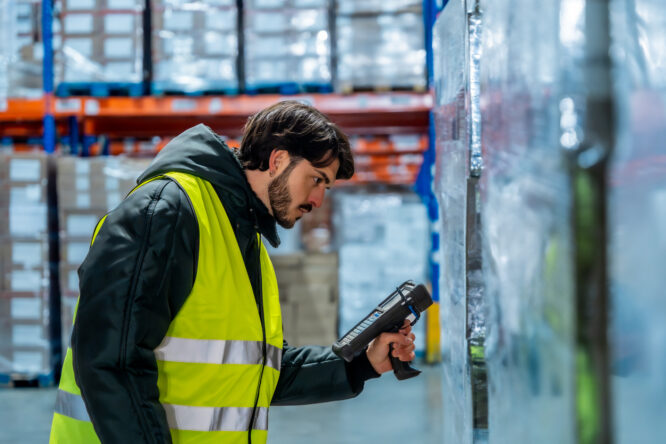
One of the more worrying findings is how quickly things can fall out of sync. Within a few days of disruption, digital records may no longer match what’s physically available. At that point, manual checks are needed to restore order. But if those systems and skills no longer exist, recovery becomes much slower and more difficult.
The UK could be particularly vulnerable.

This issue is especially important in the UK, where the food system depends heavily on imports and complex logistics networks. That makes it more reliant on smooth coordination between digital systems. If those systems fail, it’s not just about delays. It can affect how food enters the country, moves through distribution centres, and reaches supermarket shelves.
It’s not always a shortage problem—it’s an access problem.
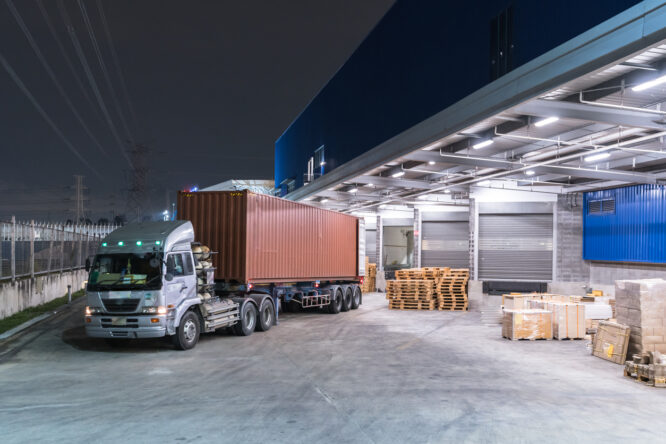
The research highlights a key change in how we think about food security. It’s no longer just about whether food exists, but whether it can be accessed and distributed properly. In some cases, food shortages aren’t caused by a lack of supply, but by failures in the systems that control where that supply goes.
Fewer trained workers makes the problem worse.
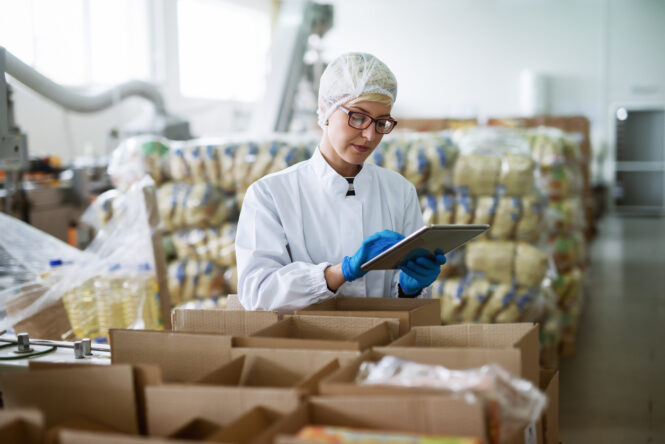
Another factor is the growing shortage of skilled workers across logistics, transport, and food inspection roles. Even when systems recover, there may not be enough trained staff to restart operations quickly. This creates a situation where delays can continue even after the original problem is fixed, adding further pressure to the system.
Experts say human oversight is still essential.
Researchers are not suggesting that technology should be removed from the food system. In many ways, it has improved efficiency and reduced waste under normal conditions. However, they argue that human oversight needs to remain part of the process. That includes having trained staff who can step in when systems fail and ensuring decisions made by software can be understood and challenged.
The real risk is how dependent the system has become.
The biggest concern isn’t that systems will fail, but how much everything now depends on them. When digital approval becomes the gatekeeper for food movement, even small disruptions can have large effects. It creates a system where food can be present but effectively locked away, simply because the technology controlling it isn’t working properly.
This is a problem that’s already here.
The key takeaway from the research is that this isn’t a future risk. It’s already happening in different parts of the world, and the same conditions exist in the UK. The question now is whether systems can be made more resilient before a larger disruption exposes just how fragile the current setup really is.