The long-standing trust-based system that lets older motorists self-certify their fitness to drive is facing its biggest overhaul in a generation.
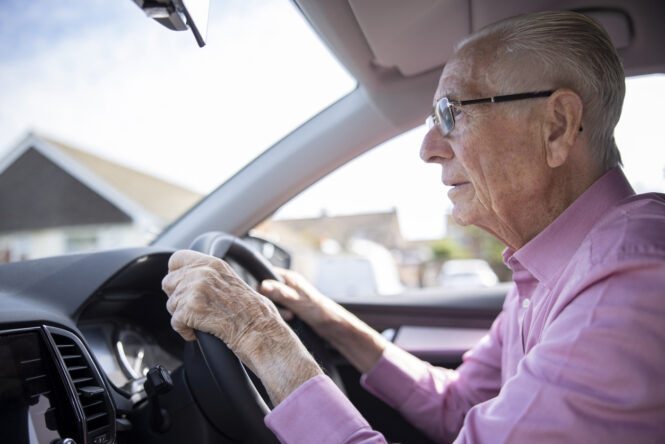
As of April 2026, the DVLA is moving away from simple self-declarations and towards a stricter framework of professional verification for anyone over 70. With new road safety strategies now in play, the traditional 20-metre number plate test is no longer the only hurdle; instead, millions of drivers are looking at mandatory, optician-verified eyesight checks every three years.
While the move is aimed at spotting age-related conditions before they cause accidents, the reality is that many perfectly capable drivers could find their independence at risk if they’re caught off guard by the new clinical standards. Before you receive your next renewal form, here’s exactly what these tighter rules mean for your licence and what you need to do to stay on the road legally.
More than 30,000 drivers have already lost their licences.

Figures show that tens of thousands of motorists across the UK have had their driving licences revoked because their eyesight no longer meets the legal standard. Over a recent three-year period, around 37,000 drivers were removed from the road after failing to meet minimum vision requirements.
That works out to roughly 8,000 to 10,000 drivers a year, which is higher than many people would expect. It also highlights how common it is for eyesight to decline without being picked up early, especially when regular checks are not enforced.
The legal eyesight rule is simple but often misunderstood.
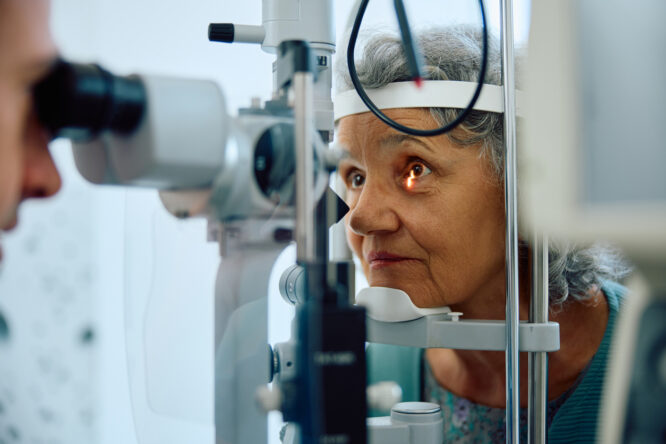
The current law is based on a very basic test. Drivers must be able to read a standard number plate from 20 metres away, using glasses or contact lenses if needed. This is the minimum requirement for safe driving in the UK.
On paper, it sounds straightforward, but many people don’t realise their vision has dropped below that level. Eyesight tends to change slowly over time, so drivers often adjust without noticing the difference, which can lead to them unknowingly driving illegally.
Older drivers are most affected by eyesight-related licence losses.
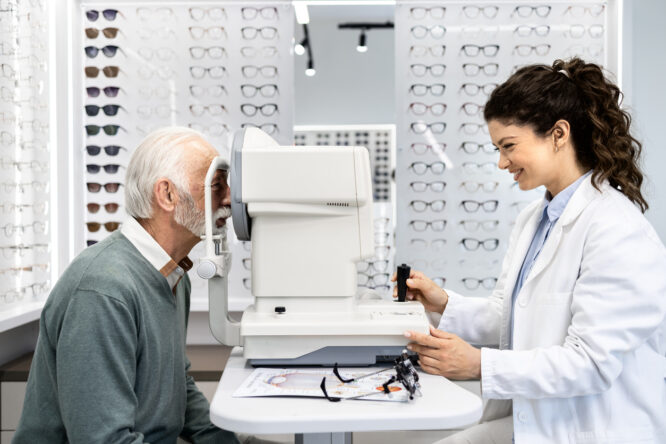
The highest number of licence revocations is seen among drivers aged between 70 and 79. This isn’t surprising, as natural age-related changes like reduced sharpness, slower focus, and conditions such as cataracts become more common in this group.
At the same time, more people are continuing to drive later in life than ever before. There are now millions of drivers over 70 on UK roads, and that number is still growing, which increases the importance of making sure eyesight standards are properly monitored.
The current system relies heavily on self-reporting.

Right now, drivers over 70 must renew their licence every three years, but they are not automatically tested. Instead, they are asked to confirm that they meet the eyesight standard and declare any medical conditions themselves.
This approach has been widely criticised because it relies on honesty and awareness. Many drivers may not realise their vision has declined, while others may avoid reporting issues because they rely on their car for everyday life.
Experts say the UK system is too relaxed.

Safety experts and coroners have raised concerns that the UK’s eyesight rules are not strict enough compared to other countries. In some cases, investigations into serious or fatal crashes have found that drivers involved had known vision problems.
These findings have led to growing pressure for change. Critics argue that relying on drivers to judge their own eyesight is not a reliable system, especially when the risks affect not just the driver but everyone else on the road.
New proposals could introduce mandatory eye tests.
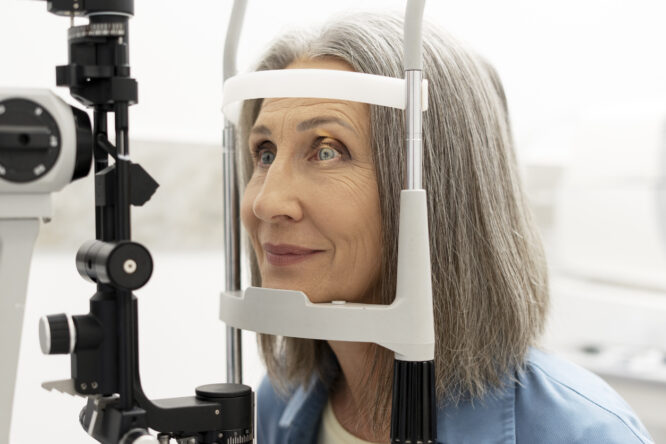
The government is now considering changes that would require drivers, particularly those over 70, to prove their eyesight meets the legal standard. This could mean submitting evidence of a recent eye test when renewing a licence. Some proposals suggest that drivers may need to have had an eye test within the last 12 months to stay on the road. This would move the UK away from self-declaration and towards a more structured system of checks.
Regular testing could become part of licence renewals.
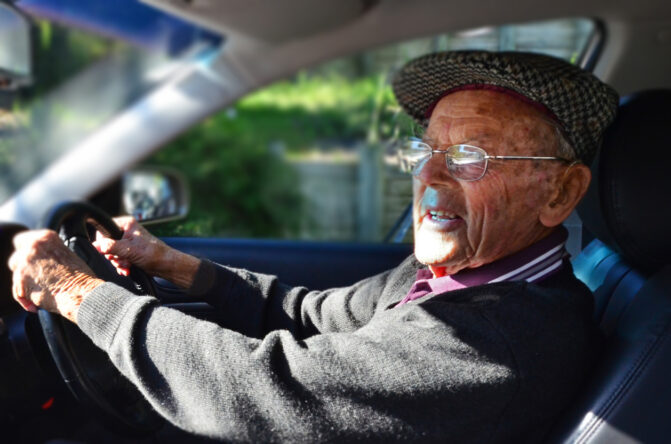
One of the main ideas being explored is making eyesight tests a routine part of the renewal process. For older drivers, this could mean being tested every three years when they renew their licence. This would bring the UK more in line with countries that already require regular medical or vision checks. Supporters say this would help catch problems earlier and reduce the number of drivers unknowingly driving with poor vision.
More drivers could lose their licences under stricter rules.
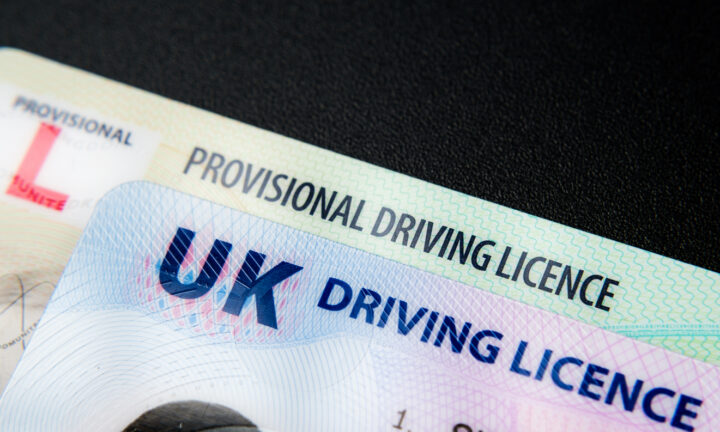
If these changes are introduced, the number of licence revocations is likely to increase. Mandatory testing would mean more drivers are formally assessed, rather than slipping through gaps in the current system. While that may sound harsh, the aim is to prevent accidents before they happen. Good eyesight is one of the most basic requirements for safe driving, and even small vision problems can have serious consequences at speed.
Many drivers don’t realise their eyesight has changed.

One of the biggest issues is that eyesight loss is often gradual. People adapt without noticing, adjusting how they drive or avoiding certain conditions like night driving without fully recognising the problem. This makes regular eye tests essential, even for those who feel their vision is fine. Catching small changes early can make a big difference, whether that means updating a prescription or addressing a developing condition.
There are concerns about fairness for older drivers.
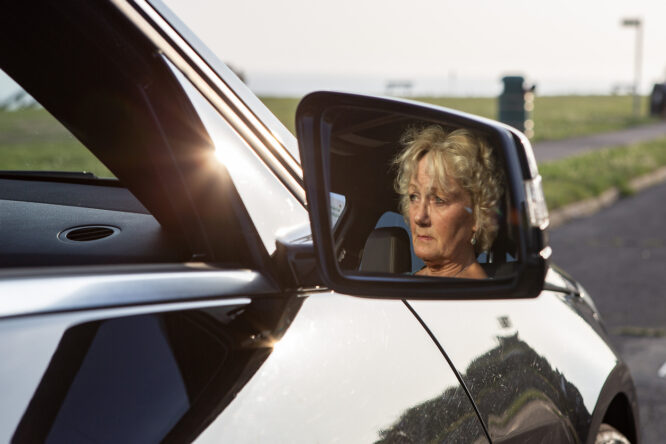
Any tightening of the rules raises questions about how older drivers will be affected. For many, driving is essential for staying independent, especially in areas where public transport is limited or unreliable. There are concerns that stricter testing could disproportionately impact those who rely on their car the most. Balancing road safety with personal independence is one of the biggest challenges facing policymakers.
Road safety remains the main reason for change.

Despite these concerns, the main driver behind the proposed changes is safety. Vision plays a critical role in reacting to hazards, reading road signs, and judging distances, all of which are essential for safe driving. Even a slight reduction in eyesight can increase reaction times or make it harder to spot potential dangers. Ensuring all drivers meet a basic standard is seen as a necessary step to reduce accidents and improve overall road safety.
The rules haven’t changed yet, but pressure is building

The government is still consulting on these proposals, so no final decisions have been made. However, the growing number of licence revocations and ongoing safety concerns mean the current system is under serious review.
With an ageing population and more drivers on the road than ever, it’s likely that some form of stricter eyesight checks will be introduced. For now, drivers are being encouraged to have regular eye tests and make sure they meet the legal standard before getting behind the wheel.