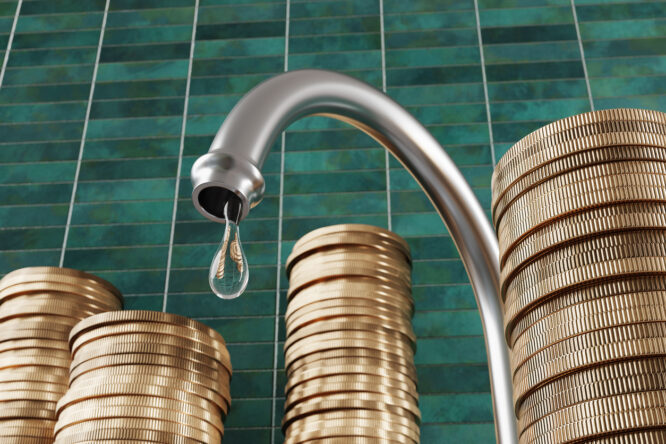
If you’ve been keeping an eye on the news lately, you’ll know that the ongoing US-Iran conflict has sent the global energy market into a bit of a tailspin.
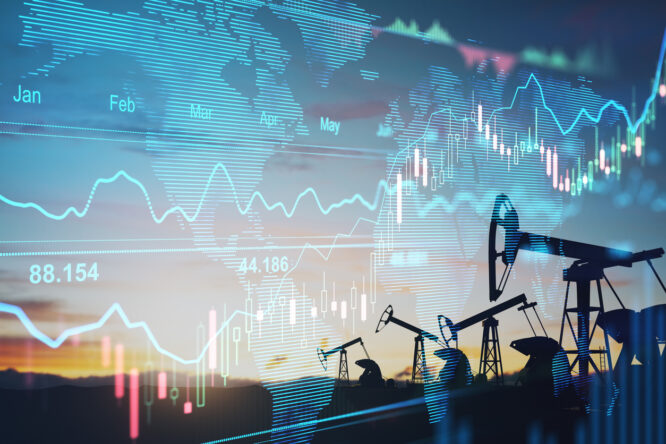
With Iran being such a massive player in the natural gas world and holding the keys to the Strait of Hormuz, we’ve seen oil prices hit a four-year high while wholesale gas costs have gone through the roof since February. It’s a situation that’s left governments everywhere scrambling to protect their citizens from the fallout, leading to some pretty drastic and occasionally unusual measures to keep the lights on and the cars moving.
From four-day working weeks to literal energy-saving dress codes, here’s how different corners of the globe are trying to take the sting out of the current crisis.
Asia is on the front line of the fuel crisis.
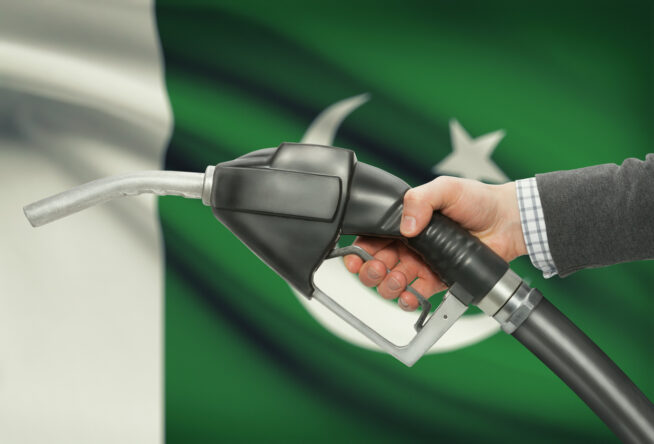
Asian economies have been hit especially hard because they’re so dependent on Middle Eastern imports. Over 80% of the oil and gas moving through that key waterway is headed for places like China, India, and Japan. Several countries including the Philippines and Pakistan have introduced a four-day working week to cut back on fuel consumption.
Sri Lanka has declared Wednesdays as public holidays for its government institutions to save on power. Indonesia is implementing a work from home day every Friday, as well as limiting fuel sales to 50 litres per day. In Thailand, Prime Minister Anutin Charnvirakul ordered civil servants to conserve energy by setting air conditioning temperatures at 26-27 C, and swapping suits for short-sleeved shirts. Government officials there must also switch off lights and electrical equipment when not needed to reduce electricity use in office buildings.
They’re putting measures in place across the board to maximise savings and protect resources.
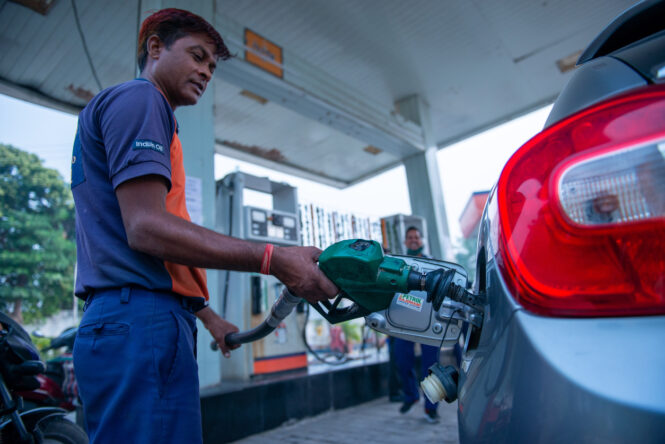
India has invoked emergency powers and directed refiners to maximise production of liquefied petroleum gas to prevent a shortage of cooking fuel. Some IT firms in the country are even encouraging workers to bring in their own food to reduce dependence on gas-reliant cafeterias. Myanmar has imposed a fuel rationing system where cars with even-numbered plates only drive on even dates and odd plates on odd dates. Vietnam plans to remove import tariffs on fuels until the end of April to ensure there is a sufficient supply for the population.
Mainland Europe is relying on subsidies and safety nets.
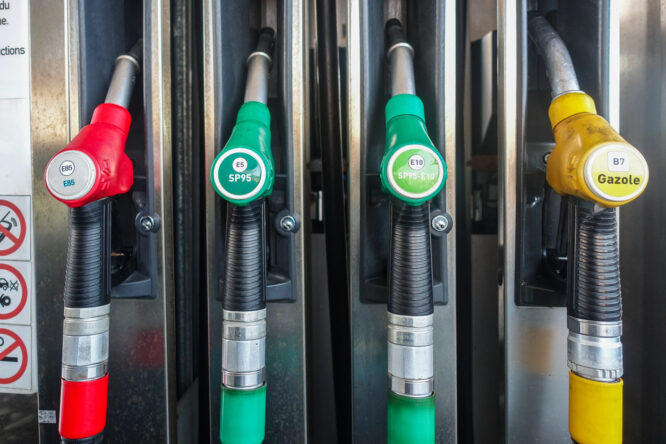
EU member states have been told to prepare for long-term disruption to energy markets by the bloc’s energy chief. While the fallout is currently contained, governments are being encouraged to make timely preparations for a potentially prolonged disruption.
A number of European countries have announced fuel tax cuts and similar measures in recent days to combat price rises. France and Greece have announced €70m and €300m in subsidies for industries including fuel, farming, and transport. Italy has set aside €417.4m to cut excise duty on petrol and diesel until 7 April.
Meanwhile, instead of subsidising prices, petrol stations in Germany have been instructed to only increase fuel prices once a day. Spain is expected to vote on measures including lowering fuel and electricity taxes and granting subsidies to sectors most exposed to price spikes.
The UK is taking a different approach.
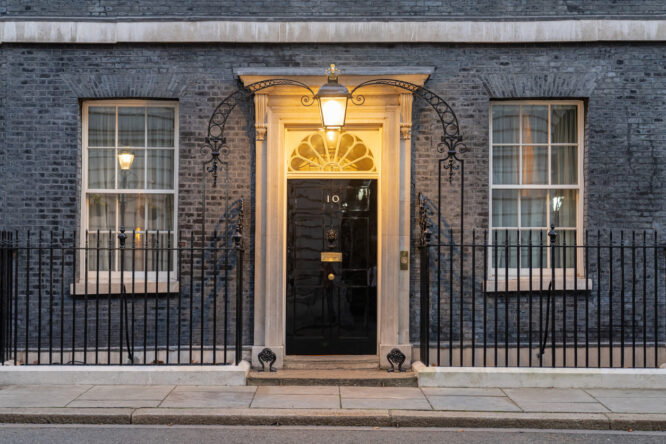
In the UK, the Ofgem energy price cap means most households are protected from the impact of higher prices until the end of June. Chancellor Rachel Reeves has announced £53m in funding for low-income off-grid households using heating oil who have already been impacted. The government has indicated that targeted support for those most in need is being considered, rather than sweeping cost of living measures.
Oceania is giving the pumps a break.
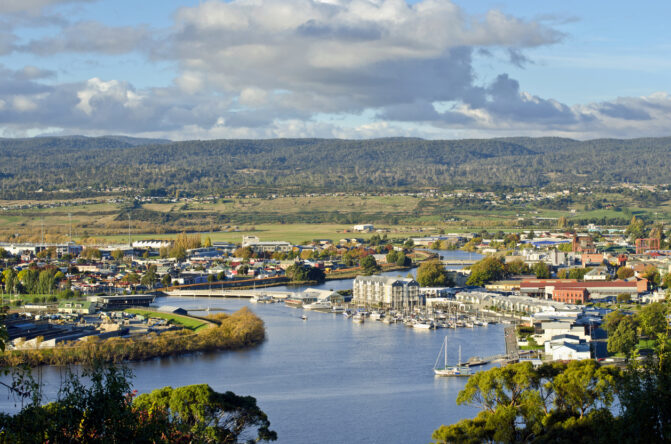
Two states in Australia have announced free public transport to help with rising costs and take pressure off the pump. In Victoria, public transport is free for the month of April to help take cars off the road for people who have to drive. In Tasmania, buses and ferries are set to be free for three months until 30 June. All school bus services run by the government in Tasmania will also be free during the same period to support families.
Africa has started dimming the lights—literally.
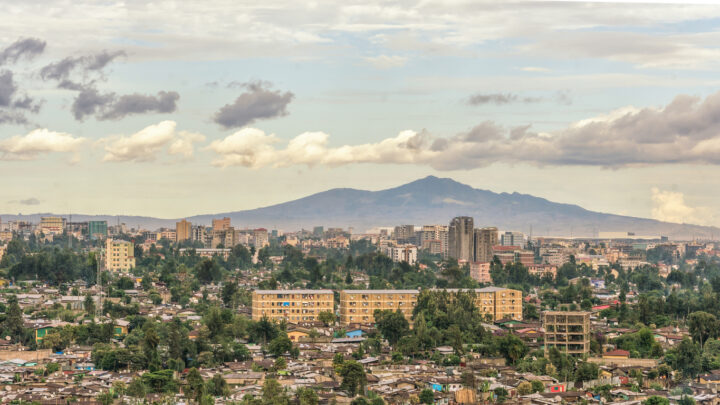
A number of countries including Ethiopia and Namibia have put measures in place to help people afford fuel. In order to conserve oil-powered electricity, the Egyptian government has ordered that all shops, restaurants, and cafes shut at 9 p.m. local time. These exceptional measures also include dimming streetlights and roadside advertising to save power.
Civil servants in Egypt have been asked to return to working from home for one day a week throughout the month of April. Major tourist areas including the Red Sea resorts and southern cities like Aswan are exempt from these energy-saving measures. Egypt has been hit particularly hard, with the nation’s oil bill more than doubling compared to January.
Resources for dealing with rising costs back home

If you’re feeling the squeeze from the recent energy hikes, there are a few places you can turn for help and advice. Citizens Advice offers a comprehensive guide on what to do if you’re struggling with your energy bills and how to check if you’re eligible for extra support. National Energy Action is a national charity working to end fuel poverty that provides practical advice on keeping your home warm and managing debt.
Also, MoneyHelper is a government-backed service that can help you look at your budget and see where you can make savings as prices continue to rise. Getting professional support early can make a massive difference in managing your household finances during this transition.