Households across the UK could soon be rewarded for when they use electricity, not just how much they use.

It’s part of a bigger change in how the energy system works, especially as more power comes from wind and solar. Instead of only asking people to cut back during busy periods, the system is starting to encourage people to use more electricity when there’s plenty of it available. For many households, that could mean cheaper bills, or even free electricity at certain times, if they’re willing to be a bit flexible. Here’s what you need to know about the proposal from the National Energy System Operator.
The scheme is changing how energy use is rewarded.

Up to now, most schemes have focused on getting people to use less electricity during peak times, usually weekday evenings when demand is highest. That’s when the grid is under the most pressure, and cutting back helps prevent strain on the system.
The updated version takes things a step further. Households will still be rewarded for reducing usage at busy times, but they’ll also be encouraged to use more electricity when there’s excess supply. It’s a more balanced approach that gives people more ways to benefit.
You could see periods of much cheaper or even free electricity.
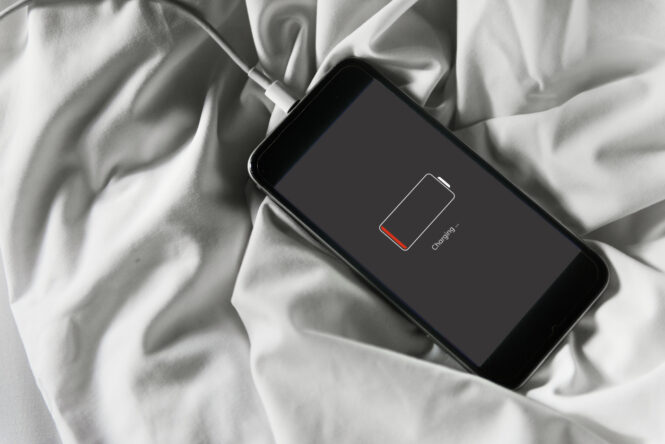
One of the most noticeable changes is the potential for heavily discounted, or even free, electricity during certain periods. This usually happens when renewable energy production is high, such as on windy days or during strong sunshine. Instead of letting that extra energy go to waste, suppliers may offer it at very low cost to encourage people to use it. For households, that could mean running appliances or charging devices at a fraction of the usual price.
Everyday habits could start working around timing.

Rather than thinking about using less energy overall, people may start thinking more about when they use it. Things like washing clothes, using the dishwasher, or charging an electric car could become cheaper if timed right. In the long run, this could change daily routines in small ways. Running appliances later in the evening or at weekends might become the norm if it means saving money without cutting back completely.
It builds on a system already used by millions.

This isn’t a completely new idea. The Demand Flexibility Service has already been used by millions of households and businesses, offering rewards for cutting energy use during peak periods. People who took part have received bill credits, cash payments, or reward points, often saving a few pounds each time. The updated scheme expands on this by adding more ways to take part.
You can now be rewarded for using more, not just less.

The biggest change is that households may now be paid or rewarded for increasing their electricity use at the right time. That’s a big change from the usual message of cutting back. This gives people more flexibility. Instead of only responding during peak events, they can take advantage of cheaper periods whenever excess energy is available.
Renewable energy is driving the change.
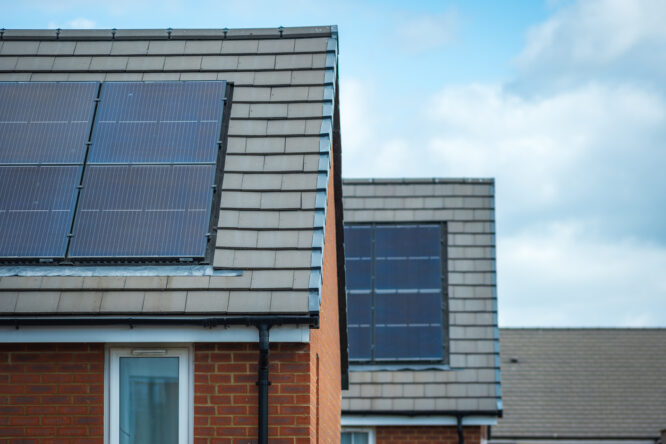
The reason behind all of this is the growing role of renewable energy in the UK. Wind and solar power don’t produce electricity in a steady, predictable way. Sometimes there’s more energy than needed, and other times there’s less. Encouraging people to use electricity when supply is high helps balance the system and makes better use of what’s already being generated.
The whole energy system is starting to work differently.
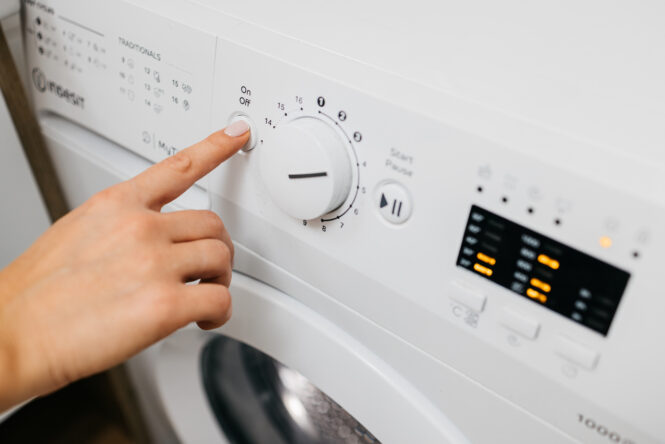
Traditionally, power stations would increase supply to meet demand. If people used more electricity, more would be generated to match it. Now, that idea is starting to reverse. Demand is being shaped to match supply, especially when it comes to renewables. It’s a subtle change, but it has a big impact on how energy is used day to day.
It could help reduce pressure and avoid waste.
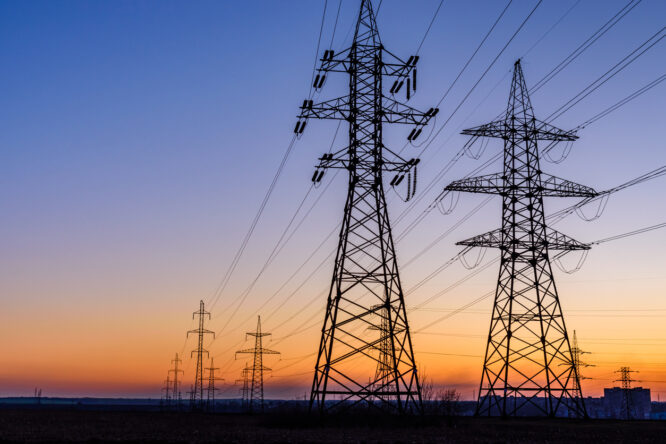
By spreading electricity use more evenly, the grid becomes less strained during peak times. That reduces the risk of shortages and can help keep costs under control. At the same time, it means less energy is wasted when supply is high, which makes the system more efficient overall.
More households are likely to be included.

The scheme is also being expanded so that more households and smaller providers can take part. That means it won’t just be limited to certain tariffs or large companies. As access widens, more people could start seeing the benefits, especially as energy suppliers roll out new offers linked to these changes.
Your energy bill could become more flexible.

Instead of paying the same rate all the time, households may start to see more variation depending on when they use electricity. Some periods could be much cheaper than others. For people willing to adjust slightly, even in small ways, that could lead to noticeable savings without needing to cut back on everyday usage.
It rewards flexibility rather than restriction.

This approach feels different because it’s not just about using less energy. It’s about using it in a smarter way that works with the system. That gives households more control. Rather than being told to reduce usage, they’re given options and incentives to change it instead.
It could become part of everyday life.

If the scheme continues to expand, this kind of flexible energy use could become a normal part of daily routines. People may start checking when electricity is cheapest in the same way they check fuel prices. As time goes on, using appliances at certain times could feel completely natural, especially if the savings are consistent enough to notice.