Cleaning out the cupboard and finding a mountain of half-chewed toys or a lead your dog has long since outgrown usually ends with a trip to the bin, but that’s a massive missed opportunity for animals in need.
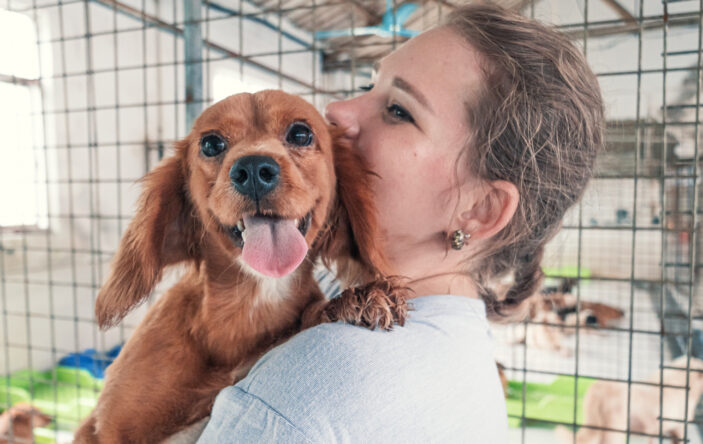
With many shelters currently stretched to their limits in 2026, the gear you’re planning to bin is exactly what’s needed to keep a rescue centre running without breaking their tiny budgets. It isn’t just the big charities that are looking for a hand; often, it’s the smaller, local rescues or even community pet food banks that can make the best use of a second-hand crate or a spare bag of kibble.
Finding a new home for your old kit is a brilliant way to cut down on waste while making a very real difference to a pet waiting for their forever home. Before you head to the tip, these are some of the places where your unwanted supplies will actually do the most good.
Dogs Trust rehoming centres
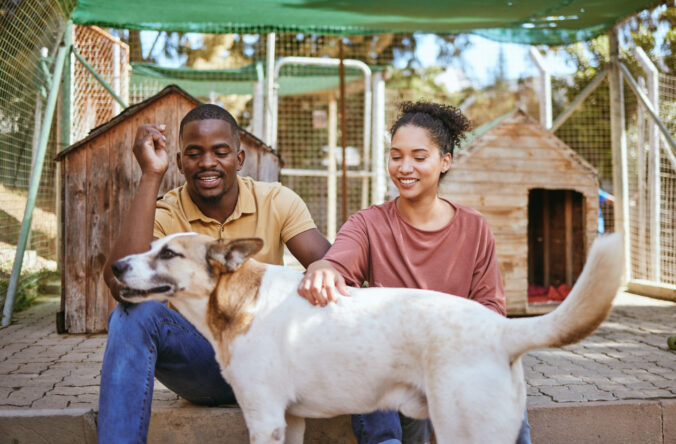
Dogs Trust has rehoming centres across the UK and actively welcomes donations of pet supplies directly to their sites. They accept unopened and in-date dog food, clean bedding, toys, leads, harnesses, and grooming supplies, among other items. Each centre has contact-free drop-off points, but it’s worth ringing ahead on 0303 003 0000 to check on storage space before turning up.
They also run charity shops that accept a broader range of donated items for resale, with proceeds going toward their rehoming work. The two routes — donating directly to the centre for the dogs, or donating to the shop for fundraising — serve different purposes, so it’s worth checking which suits what you have.
Cats Protection
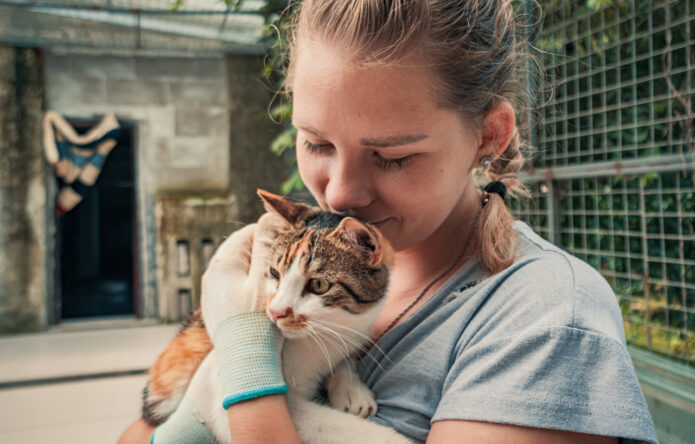
Cats Protection has a network of charity shops and local branches across the UK that welcome donations of cat supplies in good condition. Leads, harnesses, collars, toys, carriers, and other cat accessories can be donated to their shops for resale, while some branches and centres will also accept items directly for the cats in their care.
As needs vary between locations, their website recommends contacting your nearest branch or shop first to find out what they’re looking for before dropping anything off. Their Community Kitty scheme also distributes donated cat food to owners experiencing financial hardship, so unopened food is particularly useful.
Battersea Dogs and Cats Home

Battersea accepts donations of both new and used items in good condition for the animals in their care across their three centres in London and Old Windsor. They accept things like blankets, toys, food bowls, puzzle feeders, and grooming tools, though their accepted and declined lists do change, so checking their website before visiting is advisable.
They ask that all donated items are wiped down or washed before being brought in so they’re ready to use immediately. If you’re feeling creative, they also welcome handmade items like knitted blankets, as long as they follow pet-safe patterns without large gaps that could trap paws.
The RSPCA
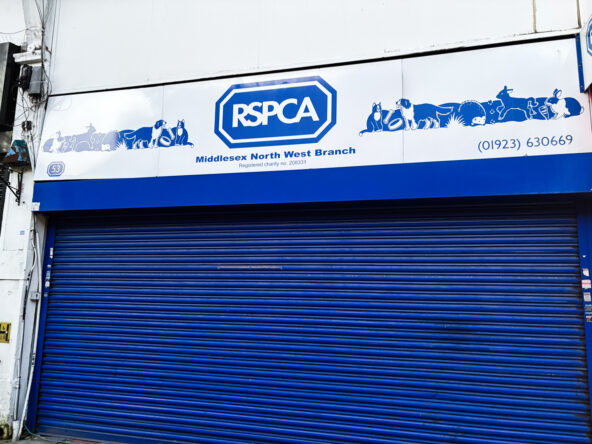
The RSPCA has charity shops across England and Wales that accept donations of pet supplies and accessories alongside general household items. Local RSPCA branches also sometimes accept donations directly for animals in their care, particularly food, bedding, and equipment.
Standards and needs vary between branches, so the most reliable approach is to contact your nearest RSPCA shop or branch directly to find out what they can take. Their website also has a recycling and goods donation page that points you to your nearest drop-off option.
Blue Cross pet food banks
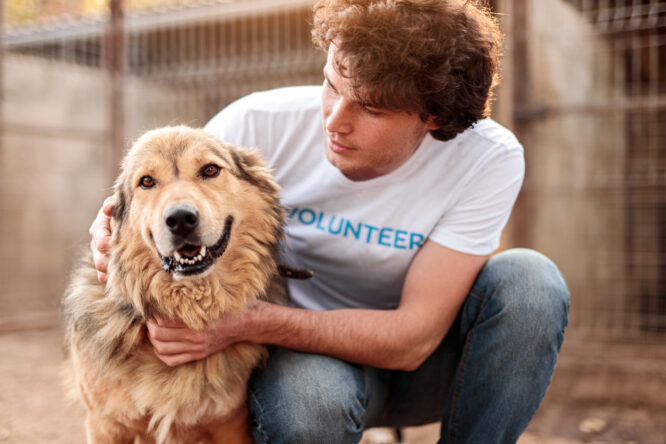
Blue Cross runs pet food banks at several of their rehoming centres and animal hospitals, and has also set up donation points inside every Pets at Home store across the UK, making them one of the most accessible options for donating unopened pet food. Food donated through Pets at Home goes directly to local organisations, who distribute it to owners struggling to feed their pets.
Blue Cross accepts dog food, cat food, puppy and kitten food, and other consumables, with the focus firmly on helping keep pets and owners together during financial difficulty rather than rehoming. If you have unused food following the loss of a pet, this is one of the most practical and immediate ways to ensure it reaches animals that need it.
Woodgreen Pets Charity
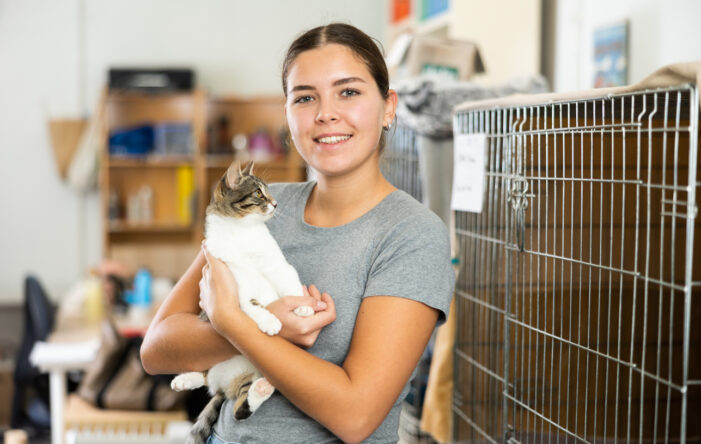
Woodgreen is one of the UK’s largest animal welfare charities and accepts donations of pet supplies both directly for the animals in their care and through their charity shops. Items like leads, harnesses, collars, and toys can be donated to their shops, while other supplies may be accepted at their centre depending on current need.
Their website lists what they currently need and what they can’t accept, and they’re open to being contacted if you have something not on their list. They also run a community support scheme helping pet owners in financial difficulty, so donated supplies can end up benefiting a wider range of animals than just those in the charity’s direct care.
PDSA charity shops
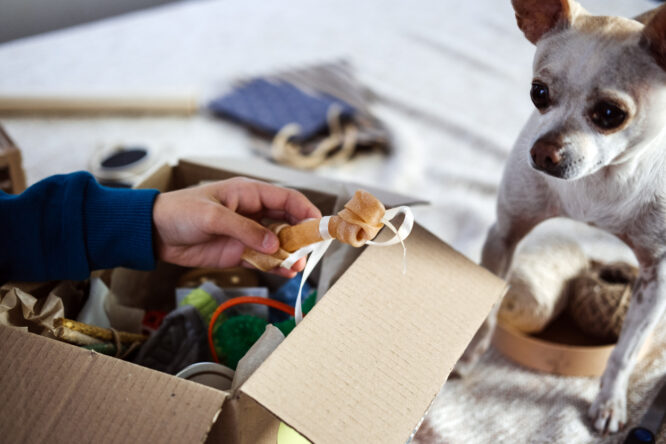
The PDSA operates a network of charity shops across the UK and uses the income generated to fund veterinary care for the pets of people on low incomes through their Pet Hospitals. They accept donations of pet accessories and supplies in good condition, alongside general donated goods.
As with most charity shops, items need to be clean, complete, and in a sellable condition. Dropping pet supplies into a PDSA shop is a straightforward way to support an organisation that provides free and subsidised vet treatment to thousands of pets every year whose owners couldn’t otherwise afford care.
Local independent animal rescues
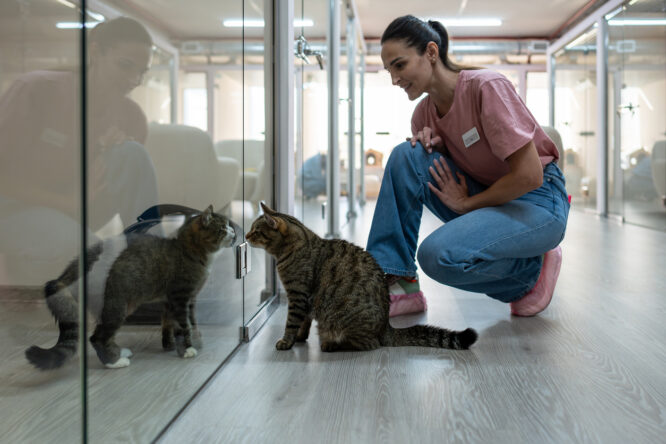
Beyond the national charities, the UK has hundreds of small independent animal rescues that often have the most immediate need for donated supplies and the least resources to source them. These organisations run on tight budgets and frequently put out specific appeals for items like bedding, food, carriers, and cleaning supplies.
Finding them is as simple as searching for animal rescue in your area, looking at local Facebook groups, or checking whether your area has a community rescue group. Many rescues post wishlists on their social media pages, which means you can donate exactly what they need rather than guessing. A bag of donations to a small local rescue often goes further than the same bag to a large national charity simply because the need is more direct.
Pet food banks
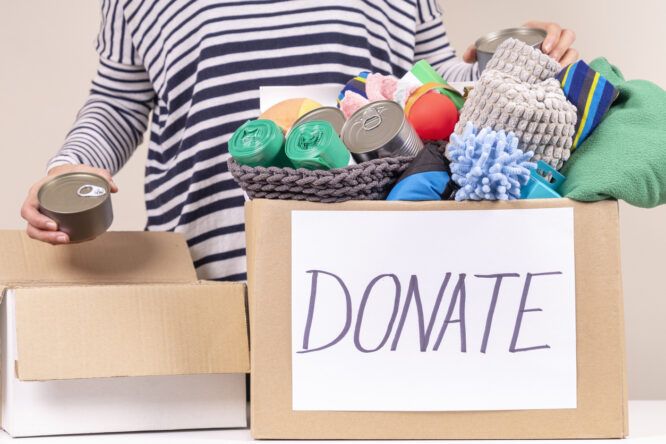
Pet food banks have grown significantly across the UK in recent years as the cost of living has put pressure on pet owners’ ability to feed their animals. Many operate independently or through foodbanks and community organisations rather than being affiliated with larger charities, and they typically welcome donations of unopened, in-date pet food and basic supplies.
Searching for pet food bank alongside your town or city will usually reveal what’s available locally. Some standard human foodbanks also accept pet food donations, so if you already use or support one, it’s worth asking whether they take pet supplies too.
Freecycle and community giving groups

For items that charities may not be able to take — things that are used but still perfectly functional, or supplies for less common pets that specialist rescues don’t always need. Freecycle and local Facebook giving groups are a reliable alternative.
Freecycle has local groups across the UK where you can list items for free collection, and Facebook has a huge number of community groups dedicated to passing on unwanted items without charge. Listing pet supplies on these platforms means they go directly to another pet owner who needs them, which is often the fastest and most practical route for items like large cages, tanks, hutches, or equipment that charities struggle to store.
A few things worth knowing before you donate

Most organisations ask that food donations are unopened and within date, that items are clean and in good working order, and that you check in advance rather than leaving things on a doorstep unannounced. Charities are grateful for donations but don’t always have the capacity to dispose of unusable items, which creates extra work and cost.
A quick check of a charity’s website or a brief phone call before dropping anything off ensures your donation is genuinely useful rather than becoming a burden. For larger items like dog crates, cat trees, or aquariums, it’s especially worth confirming storage space first before making the journey.