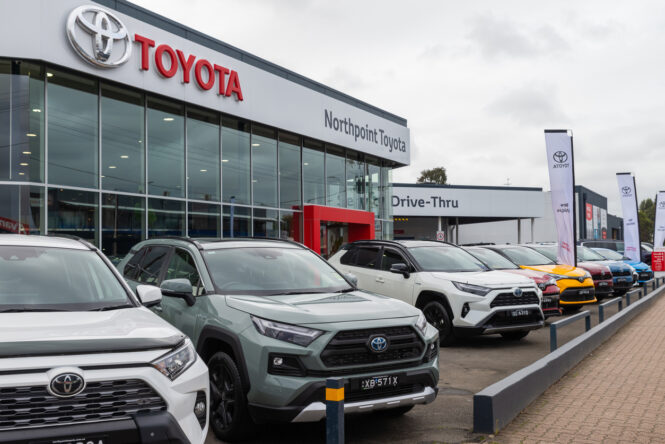
If you’re one of the 700,000 people in the UK relying on the Motability Scheme, things are about to change in some pretty important ways.
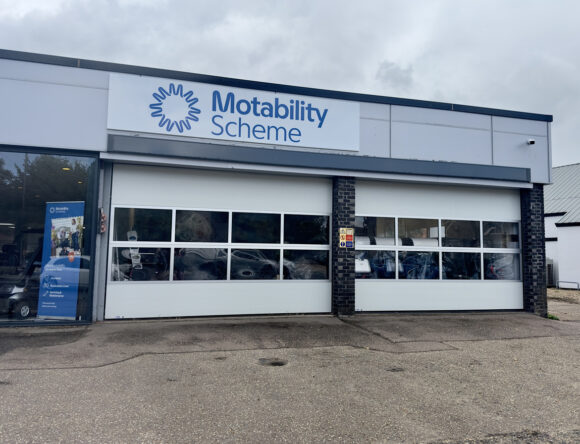
The scheme is bracing for some of the biggest changes in its history, driven by the government’s push for electric vehicles and a changing landscape for disability benefits. It’s about far more than just getting a different set of car keys; these updates are set to change everything from the upfront costs you pay to the range of vehicles sitting on the dealership forecourt.
Whether you’re due for a renewal or you’re thinking about joining for the first time, getting a handle on these incoming tweaks now is the best way to make sure you’re not left stranded when the new rules land.
Why the motability scheme is changing in 2026

The main driver behind the changes is a change in how the scheme is taxed. From 1 July 2026, VAT and Insurance Premium Tax will be applied to parts of the scheme that were previously exempt. That means the overall cost of running the scheme increases straight away.
Until now, these tax breaks helped keep things more affordable and predictable for users. Removing them doesn’t just add a small cost, it changes the whole balance of how the scheme is funded, which is why wider adjustments are now being made to keep it running long term.
Advance payments are likely to rise for many vehicles.

If you’ve ever chosen a car on the scheme, you’ll know some come with an Advance Payment. From July 2026, VAT will be added to those payments, which means higher upfront costs for many of the more desirable or higher-spec vehicles.
For some people, that could mean paying a few hundred pounds more than before. It won’t affect every car, though, as there will still be a decent selection available with no upfront payment, but the range of those options may feel more limited than it used to.
Insurance costs are now part of the increase.

One of the biggest hidden changes is the introduction of Insurance Premium Tax on Motability leases. Insurance has always been bundled into the package, but it’s never been taxed in this way before.
This doesn’t show up as a separate charge, but it still increases the overall cost behind the scenes. When you combine that with VAT changes, it helps explain why the scheme needs to adjust what it offers in other areas.
What you get included may start to change

To keep things balanced, Motability is looking at what’s included as standard. That could mean tweaks to mileage limits, changes to tyre replacement policies, or fewer extras included automatically with your lease.
For example, things that once felt like standard perks may become optional or limited depending on the vehicle. It’s not about stripping the scheme back entirely, but more about tightening it, so rising costs don’t hit users all at once.
Fewer premium cars are now available.

If you’ve noticed certain brands disappearing from the scheme, you’re not imagining it. Premium options like BMW, Mercedes-Benz and Audi have already been removed, and this trend is likely to continue.
The focus is moving more towards practical, everyday vehicles rather than higher-end models. That might feel like a downgrade for some people, but it’s part of keeping the scheme accessible to a wider group rather than skewing towards more expensive cars.
Electric cars and rising industry costs are also playing a role.

It’s not just tax changes causing this move. The wider car market is changing too, especially with the push towards electric vehicles. These often come with higher upfront costs and different resale values, which affects how the scheme is priced.
At the same time, supply chain issues, inflation, and changes in the second-hand car market have all made leasing more expensive generally. The Motability Scheme isn’t immune to those pressures, so these changes are partly about adapting to that new reality.
Some vehicles remain protected from the changes.
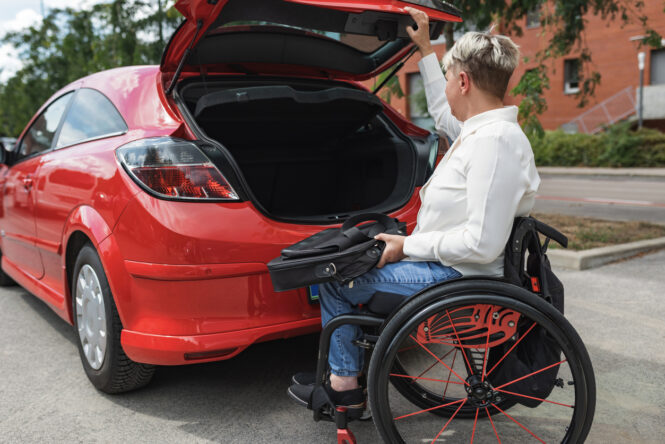
Not everything is being treated the same. Wheelchair Accessible Vehicles and heavily adapted cars will remain exempt from some of the new tax rules, which helps protect people who rely on more specialised vehicles.
These types of vehicles are often essential rather than optional, so keeping them shielded from the full impact of the changes is a key part of making sure the scheme still serves the people who need it most.
If you’re already on the scheme, nothing changes immediately.

One thing that’s reassuring is that existing leases won’t suddenly be affected. If you’re already on the scheme, your current agreement will stay exactly as it is until it ends.
The new rules only apply to leases starting from July 2026, which gives people time to understand what’s changing and think about their next move before committing to a new vehicle.
The core idea of the scheme is staying exactly the same.

Despite all the adjustments, the fundamentals haven’t changed. You can still exchange your mobility allowance for a car, and the package still includes insurance, servicing, maintenance and breakdown cover.
Eligibility rules are also staying the same, so if you qualify now, you’ll continue to qualify under the new setup. The structure remains familiar, even if the details around it are changing slightly.
Why the government is making these changes now
The government has said these changes are about making the scheme fairer and better value overall, particularly when it comes to higher-cost vehicles and how public money is used.
There’s also a wider push to modernise how schemes like this operate, especially as the car industry changes. That means balancing support for users with the rising costs of vehicles, insurance and long-term maintenance.
What this means for you in real terms

In simple terms, you may notice higher upfront costs on some cars, fewer premium options, and small changes to what’s included in your lease. The differences won’t be the same for everyone, but they will be noticeable when comparing new deals to older ones.
That said, the scheme still offers a level of convenience and bundled support that’s hard to match privately. For many people, it will continue to be one of the easiest ways to access a reliable vehicle without dealing with separate insurance, servicing, and repair costs.
For a full rundown of the changes coming to the scheme, the Motability website explains everything in simple terms.