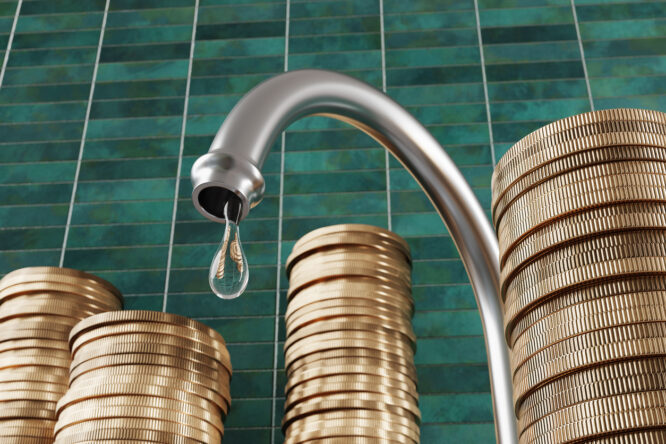
If you’ve looked at your annual council tax bill and wondered why you’re handing over a small fortune just for the bins to be emptied, you’ve hit on the most grumbled-about cost of living in the UK.
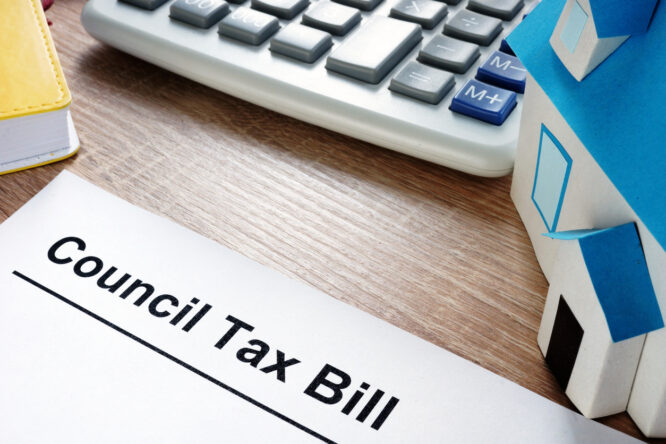
This isn’t a voluntary subscription for your postcode; it is a legal requirement that funds everything from the local police to the streetlights outside your front door. Deciding to bin the bill entirely might feel like a satisfying protest against rising costs, but the system is rigged to make sure you pay up one way or another.
From a swift court summons to bailiffs knocking at the door, the authorities have a massive amount of power to claw that money back, often with hefty fees tacked on for good measure. Before you consider a personal tax strike, it’s worth looking at the reality of what actually happens when you try to opt out of the system.
What council tax actually is

Council tax is a local tax charged on residential properties across the UK, and it’s been in place since 1993 when it replaced the deeply unpopular poll tax. Properties are assigned to one of eight bands, A to H, based on their estimated value as of 1 April 1991. Yes, 1991. Those valuations have never been updated for England, which means the band your home sits in is based on what a property like yours was worth over 30 years ago. Wales revalued in 2005, but England is still working from the same 1991 figures.
How much does it cost?
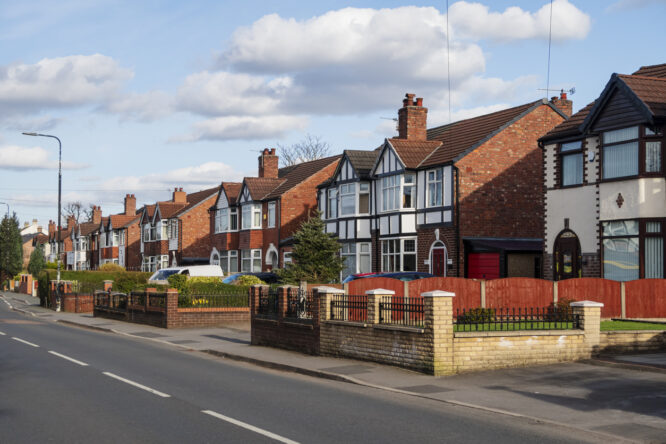
It varies quite a bit depending on where you live and which band your property falls into. Most UK councils are applying the maximum 4.99% rise from April 2026, which takes the average Band D bill from £2,280 to £2,394. London averages tend to be lower, around £1,700, while some northern and Midlands councils exceed £2,500 for Band D. Your bill is split between your local council, the police, and the fire authority, so you’re not just paying one organisation.
What does it pay for?

The short answer is a lot of things you’d probably miss. Council tax helps fund libraries, parks, planning services, street cleaning, road maintenance, and support for adults, children, and families who need help. In 2025-26, council tax is estimated to raise £50.9 billion nationally, representing around 4.1% of total government receipts.
It doesn’t cover everything, though. Council tax makes up around a quarter of the total budget a council needs, with the rest coming from business rates, government grants, and fees and charges. Adult social care is typically the single biggest line item, which is partly why bills keep going up as the population ages.
Can you get a discount?
Yes, and more people qualify than actually claim. If you live alone, you’re entitled to a 25% single person discount, but you have to apply for it—it’s not added automatically. Full-time students living in a property where all residents are also students can be exempt entirely.
People on low incomes can apply for council tax support, which varies by council but can reduce the bill significantly. Around 1 in 4 homes in England are thought to be in the wrong band, and successfully challenging yours can result in a backdated refund. It’s worth checking what your neighbours in similar properties are paying before assuming your band is correct.
What happens if you just stop paying?

This is where it gets serious fairly quickly. The council doesn’t ignore missed payments. If you don’t pay, the council can take money directly from your benefit payments, secure the debt against your home through a charging order, or apply to have you declared bankrupt if you owe more than £5,000.
Before any of that, they’ll send reminders and then apply to a magistrates’ court for what’s called a liability order, which gives them legal powers to recover the debt. Once they have that order, they can send bailiffs to seize your property, with the bailiffs’ costs added to the total amount you owe.
Can you actually go to prison for it?
You can, though it’s rare and not the first thing that happens. Prison can only ever be a last resort for non-payment. Before a magistrates’ court commits someone, it must have issued a liability order and the council must have tried and failed to recover the debt through bailiffs. The court shouldn’t send you to prison if you genuinely can afford to pay.
It should only do so if it determines you deliberately refused or neglected to pay when you could have done. The maximum sentence is three months. In Wales, the power to imprison for unpaid council tax was abolished in 2019, but in England, it still applies as a final measure.
What about people who claim they don’t have to pay?
There’s a loose movement sometimes called Freeman on the Land or Sovereign Citizen that argues statutory laws don’t apply to individuals who don’t consent to them, and council tax comes up regularly in those circles. Councils are well aware of this and have stated clearly that failure to pay based on these beliefs may lead to charges of wilful refusal or culpable neglect, potentially resulting in imprisonment.
Courts have consistently rejected these arguments, and people who pursue this route tend to end up with larger debts and more enforcement action rather than less.
What if you genuinely can’t pay?
The advice from Citizens Advice and debt charities is consistent on this: contact your council before things escalate, rather than after. Most councils would rather agree a payment plan than spend money on enforcement action, and if you’re in a vulnerable situation, whether due to disability, serious illness, mental health problems, or being a single parent, there are additional options worth asking about. Ignoring the letters is the worst thing you can do because each stage of enforcement adds more costs to the original amount owed.