You’ve probably done it without thinking: you wake up in the middle of the night, grab the glass of water on your bedside table, take a sip… and it tastes a bit off.
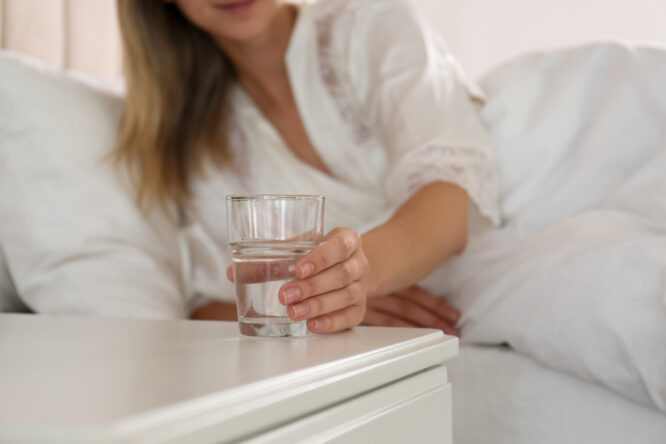
It’s not awful, just slightly strange. That’s usually the moment you pause and wonder how long it’s actually been sitting there, and whether water can even go bad in the first place. The short answer is that water doesn’t “go off” in the way food does, but that doesn’t mean it always stays fresh. What you’re noticing is less about safety and more about small changes that happen when water sits out for a while. Once you understand what’s going on, that odd taste starts to make a lot more sense.
Water doesn’t spoil, but it doesn’t stay the same either.
Pure water, on its own, is incredibly stable. If it’s clean and stored properly in a sealed container, it can last for years without becoming unsafe to drink. That’s because there’s nothing in it to “rot” or break down like food does. In theory, sealed water could sit there indefinitely and still be fine.
The issue starts when water is exposed to air, your mouth, or the environment around it. Once that happens, it’s no longer just pure water. Tiny changes begin almost immediately, and while they’re usually harmless, they’re enough to affect how it tastes and feels.
That strange taste comes from the air, not the water itself.

When water sits out in an open glass, it starts interacting with the air around it. Carbon dioxide from the air dissolves into the water and forms a very mild acid. This slightly lowers the pH, which is why the water can taste flat or a bit “off” after a few hours.
Your tongue is surprisingly good at picking up on small changes like this. Even though the difference is tiny from a scientific point of view, it’s enough for you to notice straight away, especially first thing in the morning when your senses are a bit sharper.
Leaving water overnight is usually completely safe.
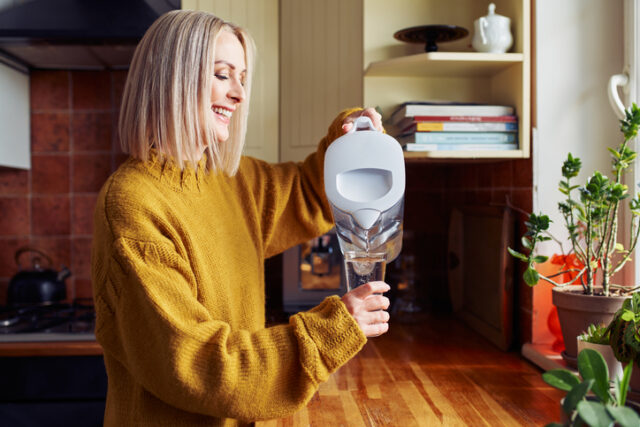
If you’ve left a glass of water by your bed overnight, there’s no real health risk in drinking it the next day. As long as it hasn’t been contaminated by anything obvious, it’s still safe. The worst you’ll notice is that slightly stale taste.
That said, the longer it sits out, the more chance there is for dust, bacteria, or anything else in the room to settle into it. It’s not something most people need to worry about after a few hours, but leaving it out for days is a different story.
The real risk comes from contamination, not time.
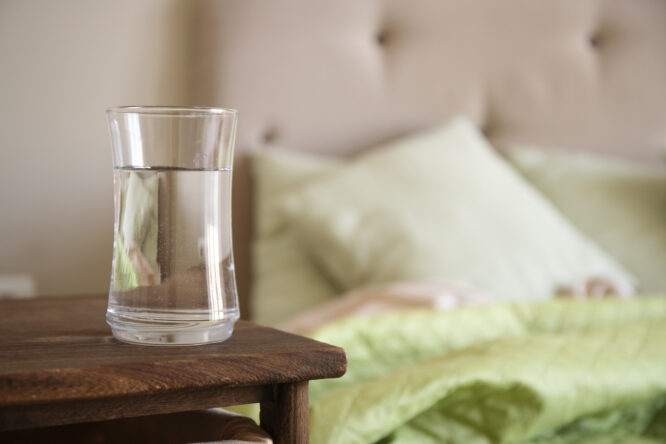
Water itself doesn’t suddenly turn bad, but it can pick up bacteria from things like your mouth, your hands, or the glass it’s in. If you’ve been drinking directly from it, you’ve already introduced microbes into the water, and those can multiply over time.
This is why a glass of water that’s been sitting untouched is very different from a half-finished bottle you’ve been sipping from all day. The more it’s exposed, the more it becomes a place where bacteria can grow.
Bottled water lasts longer, but it’s not foolproof.
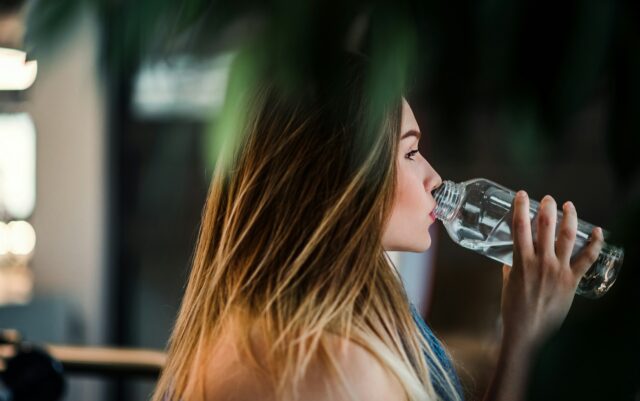
Sealed bottled water can last a very long time, especially if it’s stored in a cool, dark place. That’s why you’ll often see long shelf lives on bottled water. As long as it stays sealed, it’s protected from most outside contaminants.
Once you open it, though, the same rules apply as with a glass. Air gets in, bacteria from your mouth can be introduced, and over time it can start to taste stale. It’s still usually safe, but it won’t feel as fresh.
Heat and sunlight can make things worse.
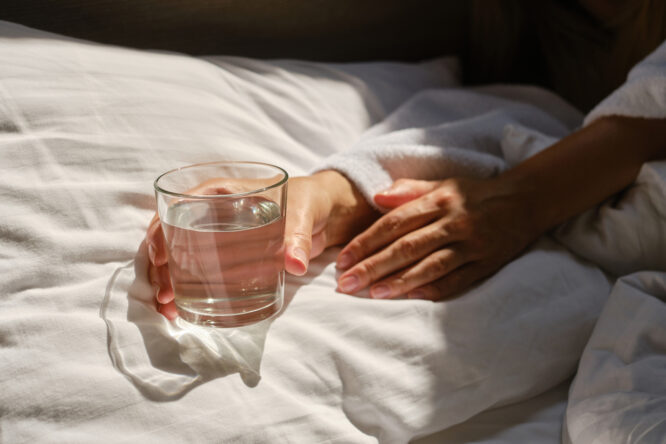
If you leave a plastic bottle of water in a hot car or in direct sunlight, that’s where things get a bit less ideal. Heat can cause chemicals from the plastic to leach into the water, especially over longer periods.
This doesn’t mean one sip will harm you, but it’s not something you want to make a habit of. The taste can change, and depending on the plastic, there may be small amounts of compounds you’d rather not be drinking regularly.
Tap water in the UK is already safe and well regulated.
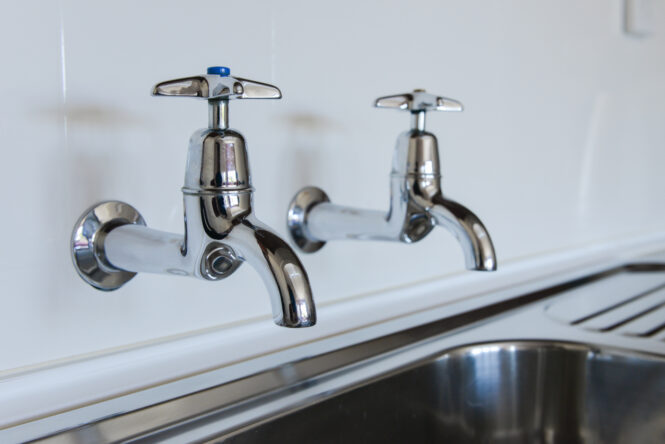
In the UK, tap water goes through strict treatment processes and is regularly tested to make sure it’s safe to drink. For most people, it’s perfectly fine straight from the tap and doesn’t need anything extra.
Bottled water can sometimes have fewer bacteria at the point of sealing, but once it’s opened, that advantage disappears pretty quickly. In everyday use, there’s not a huge difference as long as you’re storing and drinking your water sensibly.
So how long is “too long” to leave water out?
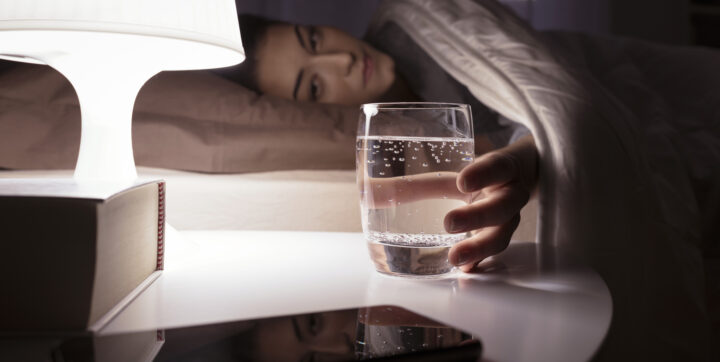
If we’re talking about a glass on your bedside table, overnight is absolutely fine. Even a full day isn’t usually an issue, as long as the environment is clean and nothing has contaminated it.
After a couple of days, though, it’s probably best to pour it away and refill it. Not because it’s suddenly dangerous, but because it’s had enough exposure to air and potential contaminants that it’s no longer worth the risk or the taste.
A simple habit makes all the difference.
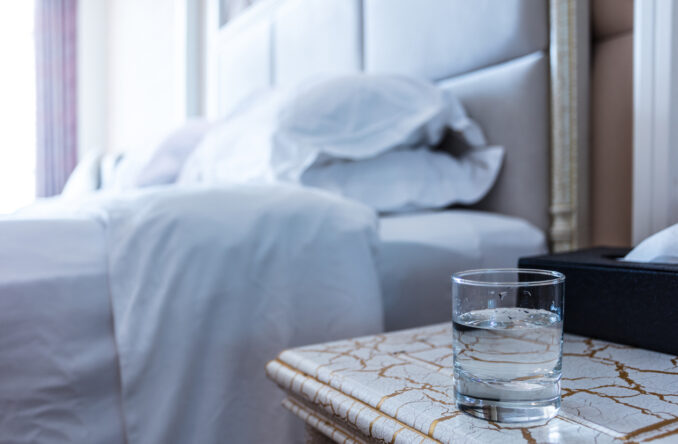
If you want to avoid that stale taste altogether, the easiest fix is just to refresh your water regularly. It takes a few seconds, and it means you’re always drinking something that actually tastes clean and fresh.
It’s one of those small everyday habits that doesn’t seem like much, but it makes a noticeable difference. And if you’re reaching for that glass half-asleep in the middle of the night, at least you’ll know exactly what you’re getting.