A life review isn’t something most people think to do until a major transition forces them into it.

Retirement, a milestone birthday, a loss, or another big change are the moments when the urge to look back and make sense of things tends to surface. But doing it deliberately, with genuine thought and without rushing, can be one of the more valuable things a person does for themselves. These 60 questions are organised by life stage and are worth taking slowly, one at a time, rather than working through them all at once.
Early life and family origin
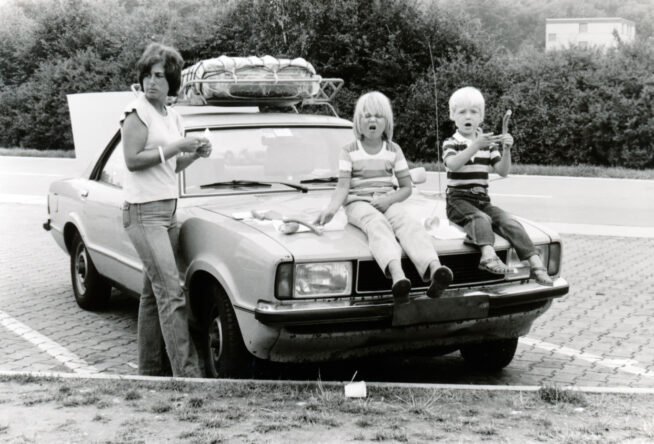
The place you started shapes more of who you become than most people fully reckon with. Whether it’s the dynamics of your childhood home, the people who raised you, or the unspoken rules about how life worked, all of it leaves a mark that tends to run deeper than you realise until you actually stop and look at it. These first 10 questions are about going back to the beginning, not to relive it, but to understand it a little more clearly. Some of what surfaces will feel warm and straightforward. Some of it might be harder to sit with. Both are worth your time.
— What’s your earliest vivid memory and what feelings does it bring up when you revisit it?
— How would you describe your childhood home, and what did it teach you about safety, love or belonging?
— Who was the person you felt closest to as a child, and what did they give you that nobody else quite managed to?
— Was there a family tradition or ritual that felt meaningful to you at the time?
— What’s one thing your parents or caregivers passed on that you’ve carried with you ever since?
— How do the values your family held still show up in how you live today?
— What was most difficult about your childhood, and how did you cope with it?
— What role did you play within your family, and do you still find yourself slipping into that role now?
— What single moment from those early years do you think shaped the person you became?
— If you could go back and say one thing to your younger self, what would it be?
Education and early career

The years spent in education and early work are often where people first begin to form a sense of who they are outside of their family. It’s a period full of discovery, wrong turns, unexpected influences and decisions made without nearly enough information. Looking back at this stretch of life through the lens of what you know now can reveal a lot about the threads that were already forming, the strengths that were quietly emerging, and the paths not taken that still linger somewhere in the back of your mind.
— What subject or topic genuinely fascinated you when you were young, and do you remember why it gripped you the way it did?
— Was there a teacher, mentor or older figure who saw something in you that others missed, and what exactly did they see?
— What did you dream of becoming, and did you actually pursue it?
— What lessons did you learn the hard way in your early working life?
— What did your first real job reveal about who you were?
— What’s one professional risk you took that changed the direction things went in?
— If you could go back and choose a different path entirely, would you, and if so, what would it be?
— What skill or strength did you develop early that’s still genuinely serving you today?
— Is there an opportunity you passed on that still crosses your mind from time to time?
— What would you tell your early career self if you had the chance?
Relationships and love

Of all the things that shape a life, the relationships in it tend to matter most. The friendships that felt like home, the loves that changed you, the fallings out you still carry, the people who knew you at your best and worst and stayed anyway. This section asks you to look honestly at your relationships, not just the good ones, but the complicated ones too. The connections that didn’t survive, the conversations you wish you’d had differently, and the people who saw things in you that you might not have fully seen in yourself.
— Who was your first real friendship with, and what made it feel different from the others?
— What relationship, romantic or otherwise, has shaped you most deeply as a person?
— What’s the most important thing you’ve come to understand about love, and who, or what taught you that?
— Who broke your heart, and looking back, what did you take from it?
— Is there a relationship you wish you’d handled differently?
— Who knows you better than anyone else right now, and what do they see in you that you might not always see in yourself?
— What’s the hardest conversation you’ve ever had to have, and how did it go?
— What kind of friend have you been throughout your life, and are you proud of the answer to that?
— What does home mean to you at this point in your life?
— If you could reconnect with one person from your past, who would it be and why?
Career and achievements

Work takes up an enormous portion of most people’s lives, and yet it often goes unexamined beyond the surface level of titles, salaries, and CVs. This section isn’t about cataloguing your professional history. It’s about understanding what your working life actually meant to you, where it lit you up, where it wore you down, what you built that you’re proud of and what you’d do differently if you had the chance. These questions also tend to surface things people didn’t expect because the moments that meant most at work are rarely the ones that looked most impressive from the outside.
— What accomplishment are you most proud of, and does the world know about it, or is it something quieter and more personal?
— Was there a moment in your working life where you felt completely in your element and fully alive in what you were doing?
— What project or role stretched you furthest, and what did it reveal about your own capacity?
— What professional failure taught you something you genuinely needed to know?
— What recognition meant the most to you, and why did it land differently from the rest?
— Is there something you created or contributed to that will outlast you in some way?
— What parts of your work gave you energy, and what consistently drained it?
— If you could redo one career decision, what would it be and what would you do differently?
— What skill or expertise do you most want to be remembered for?
— What would your colleagues say was your greatest strength?
Challenges and growth

Nobody gets through a full life without difficulty, and the hard chapters are often the ones that reveal the most about who you actually are. Grief, failure, illness, betrayal, loss of direction, and moments where you genuinely weren’t sure how you’d get through all leave their mark, but they also tend to be where real growth happens. This section asks you to look at the hardest parts of your life not to dwell in them but to understand what they gave you and what, if anything, still needs to be reconciled.
— What’s the hardest thing you’ve ever been through, and how did you get to the other side of it?
— What loss changed you permanently in ways you’re still living with now?
— What mistake are you still learning from, and what do you still owe yourself in terms of forgiveness around it?
— What’s the bravest thing you’ve ever done, and did it feel brave at the time or only in hindsight?
— What challenge forced you to discover a strength you genuinely didn’t know you had?
— Is there something you wish you’d said no to sooner?
— What’s something you’re grateful happened, even though it was painful at the time?
— What part of yourself did you have to fight to protect throughout all of it?
— What would you say to someone going through something similar to what you faced?
Values, beliefs, and wisdom

By the time most people reach the later stages of life, they’ve accumulated a quiet kind of knowledge that doesn’t always get articulated. The things they’ve come to believe about how life works, what actually matters and what doesn’t, the principles they’ve lived by without necessarily naming them. This final section is about drawing all of that to the surface and putting it into words. It’s also, for many people, the most meaningful part of the whole process because it asks not just what happened but what it meant.
— What do you believe about life that most people around you don’t seem to share?
— What value or principle quietly guides most of the decisions you make, even the small ones?
— What do you know now that you genuinely wish you’d understood sooner?
— What brings you the most joy at this point in your life, and has that changed significantly over the years?
— What are you simply not willing to compromise on?
— What does a life well lived actually mean to you when you strip away what you think you’re supposed to say?
— What legacy do you want to leave behind?
— What do you want people to remember about you?
— If you could give the world one piece of advice from everything you’ve lived through, what would it be?
— What story from your own life do you most want to pass on?
How to actually do this well

The most common mistake people make with a process like this is rushing it. Working through all 60 questions in a single sitting misses the point entirely. The value comes from sitting with one question at a time, letting it settle, and giving your mind the space to surface things you haven’t thought about in years.
Equally, this isn’t an exercise in judging the choices you made or dwelling in regret. It’s about understanding your own story with as much honesty and curiosity as you can bring to it. If certain questions bring up emotions that feel heavier than expected, that’s not a reason to stop, but it might be a reason to do some of this work with a therapist or someone you trust rather than entirely alone. The goal is clarity, not a comprehensive audit of everything you got wrong. Follow what feels meaningful, take your time, and see what patterns emerge.