Finding a yellow plastic packet stuck to your windscreen is enough to ruin anyone’s day.
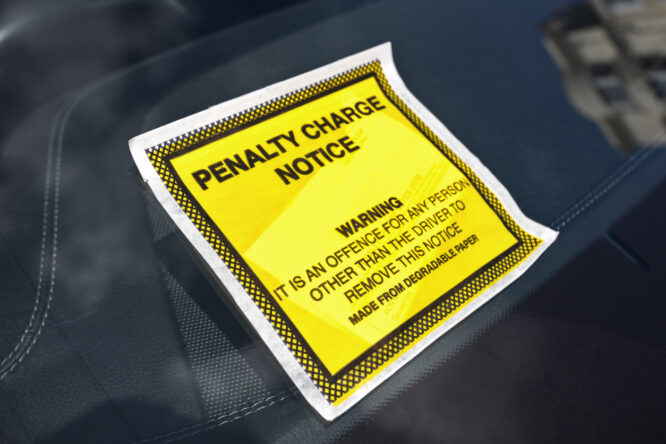
Sadly, most of us just pay the fine immediately because we’ve been led to believe the system is bulletproof. It’s easy to feel like the council or a private parking firm has all the power, but the reality is that a huge number of tickets are actually issued unfairly or contain errors that make them completely invalid.
You’re not just trying to dodge a bill; you’re recognising that you’ve got a legal right to a fair process, and there’s a very specific way to push back if the rules weren’t followed properly. If you’ve got the right evidence, and you know which buttons to press, you’ve got a much better chance of getting that fine cancelled than you might think.
The first thing you need to do is nothing.
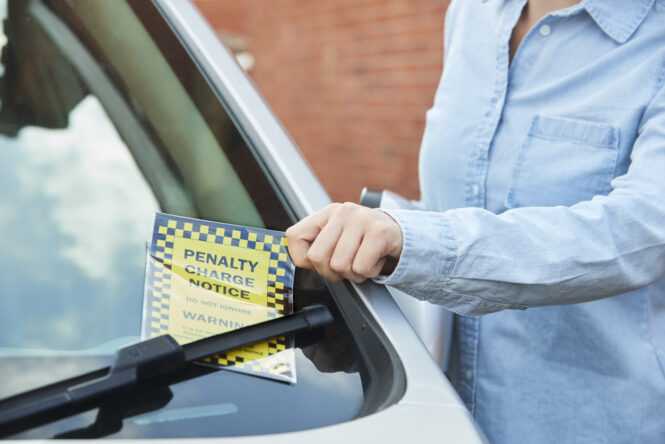
This sounds counterintuitive, but the single most important rule when it comes to challenging a parking ticket is not to pay it. Once you pay, most authorities treat that as an admission that the ticket was valid, and your right to appeal disappears with it. So whatever you do, hold off on paying while you work out whether you’ve got a case.
If you’re anxious about not paying and worried about the consequences, you can contact whoever issued the ticket and confirm in writing that you’re in the process of challenging it. That protects you while you put your appeal together.
Know what kind of ticket you’ve actually got.
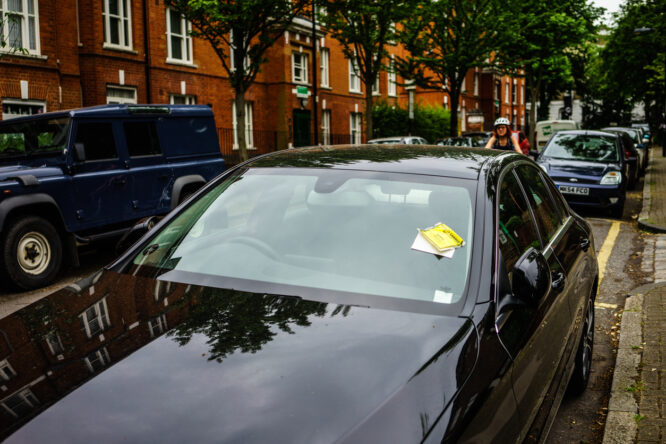
This matters more than most people realise because the type of ticket you’ve received determines which route you take to challenge it. There are three main types in the UK. A Penalty Charge Notice (PCN) is issued by a local council under the Traffic Management Act 2004—this is the one you’d typically get from a civil enforcement officer on a public road or council car park. A Parking Charge Notice is something different entirely, even though it sounds almost identical.
These come from private companies managing private land, such as supermarket car parks, retail parks, private residential areas. Then there’s a Fixed Penalty Notice, which is issued by the police and sits under criminal rather than civil law. Each one follows a different appeals process, so getting this right from the start saves you a lot of confusion later.
Challenging a council PCN
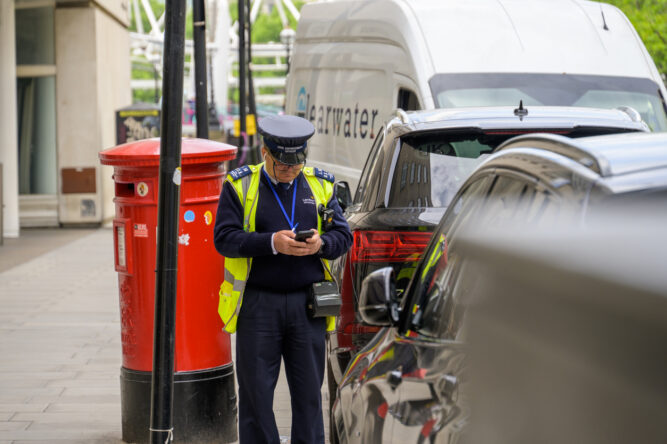
If you’ve received a PCN from your local council, you have 28 days from the issue date to challenge it. Act within 14 days, and you’ll usually preserve your right to the discounted rate—typically 50% of the fine—even if your challenge fails. The process starts with an informal challenge submitted directly to the council, where you set out your reasons for disputing it. If they reject that, you’ll receive a Notice to Owner, at which point you have 28 days to make a formal challenge, which is called a representation.
If that’s also rejected, you can escalate to an independent tribunal, which is the Traffic Penalty Tribunal if you’re outside London, or London Tribunals if you’re in the capital. These appeals are free, you don’t have to appear in person, and you can submit everything in writing. Around 49% of appeals at London Tribunals succeed, which tells you it’s well worth pursuing if you think you’ve got grounds.
Valid reasons for challenging a council PCN include things like the signs being unclear or missing, the ticket containing an error such as the wrong registration number, a blue badge being overlooked by the warden, or genuine mitigating circumstances like a medical emergency or a breakdown. If you have evidence, such as photographs, a witness statement, or a letter from a doctor or hospital, include it all when you submit.
Challenging a private parking ticket
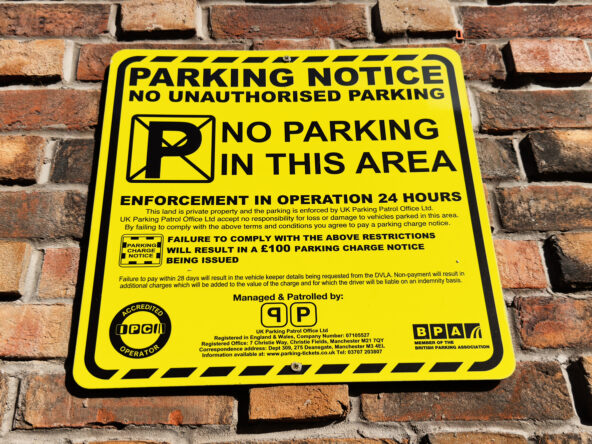
Private Parking Charge Notices operate differently, and they’re worth understanding because a lot of people pay them without realising they don’t necessarily have to. These aren’t fines in a legal sense — they’re contractual charges, which means the company is claiming you breached the terms displayed on their signs when you entered their land. That’s an important distinction because if those signs weren’t clearly visible, the contract arguably didn’t exist.
Common grounds for challenging a private ticket include poor or obstructed signage, camera timing errors—ANPR cameras record entry and exit times, which don’t always reflect actual parking time—and grace period violations. Since 2024, private operators are required to allow at least 10 minutes after any paid-for period before issuing a ticket. If they didn’t, that’s a legitimate reason to appeal.
To challenge a private ticket, you first appeal directly to the parking company itself. If that fails, and the company is a member of the British Parking Association (BPA), you can escalate to POPLA, or Parking on Private Land Appeals. If they’re a member of the International Parking Community (IPC) instead, you go to the IAS, the Independent Appeals Service. These are both free independent services.
If the company isn’t a member of either trade body, the situation is trickier. Non-members can’t access your details from the DVLA, so if the ticket was placed on your car rather than sent in the post, there’s a reasonable chance they won’t be able to pursue it at all. In that case, most advice from consumer experts is to wait and see whether you hear anything further before doing anything else.
One important note: don’t name the driver in your appeal if you weren’t the person behind the wheel. Doing so makes it considerably easier for the company to build a case because it shifts the liability to a specific individual. Keep it vague.
When you can take it to an independent tribunal

If you’ve exhausted the internal appeals process with either a council or a private operator, and you still believe the ticket was issued unfairly, the independent tribunal stage is genuinely worth pursuing. It’s free, it’s impartial, and the council or operator has to make their case too. You can submit your appeal online and provide all your evidence in writing without having to attend a hearing.
If the tribunal finds in your favour, the ticket is cancelled and you pay nothing. If it finds against you, you’ll owe the original charge, and ignoring it at that point will lead to further enforcement action, potential court proceedings, and additional costs, so don’t let it get to that stage without a plan.
What actually makes a strong appeal
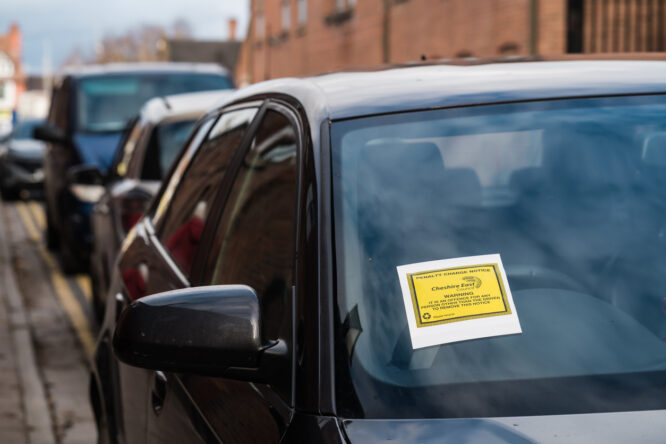
The appeals most likely to succeed are the ones with clear evidence and a specific, documented reason rather than a general sense of grievance. Photographs taken at the time are particularly useful—signs, road markings, the position of your vehicle, anything that supports your version of events. Keep notes of times and dates. If someone was with you, a short witness statement can help. Be factual and precise rather than emotional in tone because the person assessing your appeal is working through statutory grounds, not deciding whether you seem like a reasonable person.
Challenging a parking ticket in the UK isn’t some complicated legal minefield; it’s a fairly structured process with clear deadlines and free independent oversight at most stages. The key is acting quickly, not paying until you’ve decided whether to challenge, and making sure you’re following the right route for the type of ticket you’ve received.