British life has changed a lot over the past couple of decades, and some everyday things that once felt completely normal have quietly faded away.

Older people still talk about them as if everyone remembers, only to realise younger people have absolutely no idea what they mean. These aren’t celebrity moments or famous catchphrases. They’re just the small bits of daily British life that used to be everywhere. If most of these sound unfamiliar, there’s a good chance you’re still officially considered young. For the rest of us, well, we’ve clearly been around a bit longer.
Waiting for the TV listings page to cycle back around

Before digital guides and streaming apps, checking what was on television meant staring at a slow rotating page of listings on Teletext or Ceefax. Each page took its turn appearing on the screen, and if you missed the one you wanted, you had to sit there and wait for the whole sequence to come back around again.
It sounds ridiculous now, but it was completely normal at the time. People would sit patiently watching the numbers tick over, hoping not to blink and miss the page they needed. Anyone who grew up with instant programme guides never experienced that strange mix of boredom and determination.
The panic of recording something on VHS at exactly the right time

Before catch-up TV existed, recording something meant programming a VHS recorder and hoping everything worked properly. If the timing was wrong by even a minute, the recording might miss the ending or start halfway through the programme.
Many people set their recorders with military precision, only to discover the tape had run out or the channel had changed unexpectedly. Watching a programme later meant fast-forwarding through adverts and hoping nobody had accidentally taped over something important.
When Argos catalogues were basically the internet

For years, the Argos catalogue was the closest thing many households had to online shopping. The thick book arrived twice a year and was packed with everything from toys and bikes to kettles and furniture. It was one of the highlights of pretty much every kid’s life.
Children often spent hours circling the things they wanted before Christmas. Buying anything meant writing down a mysterious product code, taking it to the counter, and waiting for your item to appear on the conveyor belt behind the desk.
The complicated ritual of rewinding a video before returning it
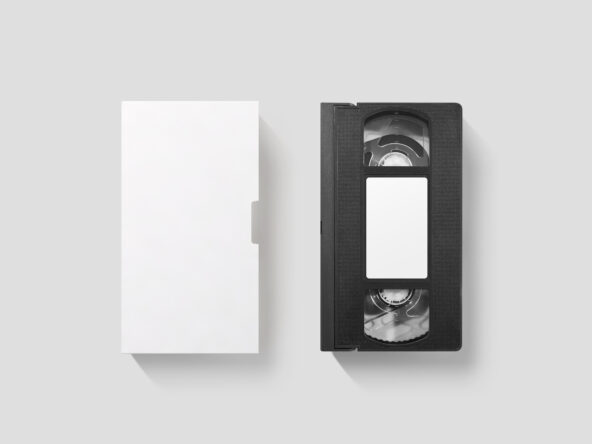
When renting films was still a normal weekend activity, people were expected to rewind the tape before returning it to the shop. Forgetting to do it meant risking a small fine or at least a slightly annoyed person behind the counter. It was such a common rule that “be kind, rewind” became a phrase people repeated constantly. Anyone who grew up with streaming services has never had to sit and watch a tape rewind slowly across the screen.
When a trip to Dixons felt like visiting the future

Before online tech shopping, stores like Dixons were where people went to see the latest gadgets. Rows of televisions, camcorders and stereo systems sat behind glass cabinets that made them look impossibly advanced. Even simple things like portable CD players felt futuristic at the time. Younger shoppers today might struggle to imagine how exciting it once felt just to see new electronics displayed in a shop window.
Spending ages choosing a ringtone from a tiny mobile phone menu
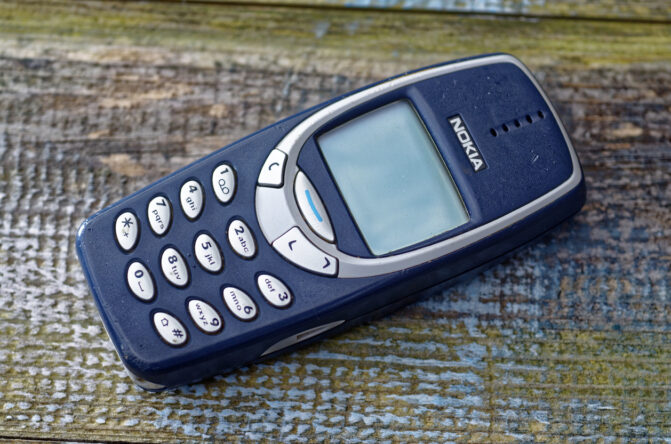
Early mobile phones came with a small selection of electronic beeps that served as ringtones. Choosing the right one felt oddly important, even though they all sounded vaguely similar. Some people even paid to download new ringtones through text services advertised on television. Compared with today’s smartphones and custom sounds, the process now feels strangely basic.
Having to memorise important phone numbers

Before smartphones stored everything automatically, people actually remembered the phone numbers of friends and relatives. Many households had a small notebook filled with handwritten contacts. If you lost that list, you could easily lose touch with people. Younger generations who rely entirely on contact lists rarely experience that slightly stressful need to remember numbers by heart.
The excitement of getting a free CD on the front of a magazine
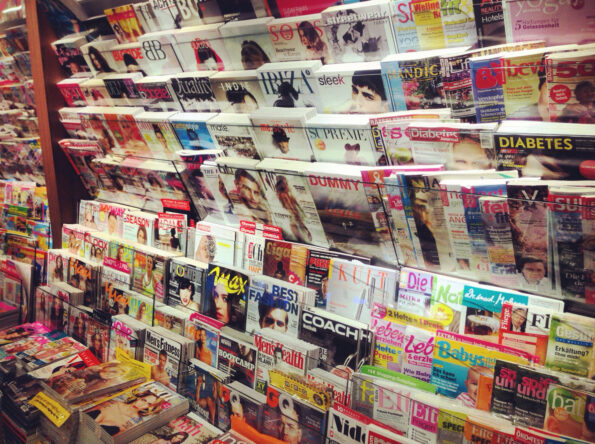
Magazines once regularly came with free CDs attached to the cover. Sometimes they included music samplers, computer software, or demo versions of video games. Buying the magazine often felt worthwhile purely because of the disc stuck to the front. For many people, it was one of the easiest ways to discover new music or try games before the internet made everything instantly downloadable.
The stress of using the family computer while someone needed the phone

Dial-up internet meant the computer connected through the household telephone line. If someone picked up the phone while you were online, the connection would immediately cut out. This led to endless negotiations about who needed the phone more. Families developed strange schedules where internet time had to be carefully planned around incoming calls.
The mystery of finding a random videotape with something recorded over it
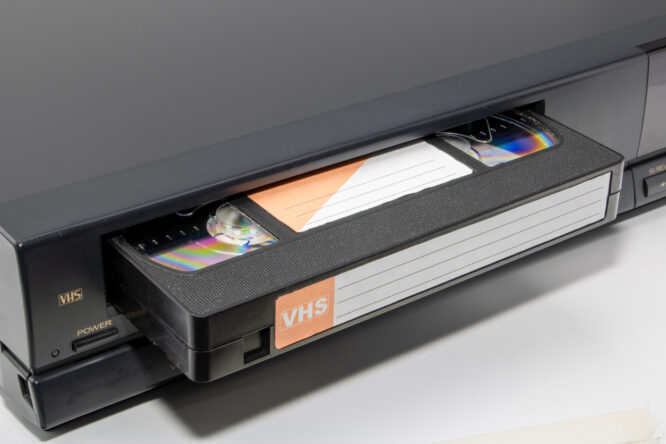
Many households had a pile of VHS tapes with handwritten labels that no longer meant much. You might think you were about to watch a film, only to discover the first half had been replaced with a television programme recorded later. People often reused tapes again and again to save money. The result was a chaotic mix of recordings that rarely matched what the label claimed.
When school computer rooms ran entirely on floppy disks
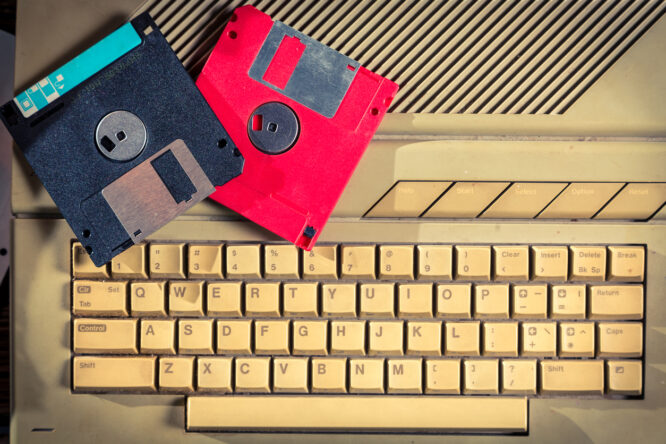
Saving school work once meant inserting a floppy disk into the computer and hoping it didn’t fail. These thin plastic squares held very little storage and could stop working without warning. Students treated them carefully because losing one often meant losing an entire project. Compared with modern cloud storage, the process now feels incredibly fragile.
The strange excitement of a new television aerial
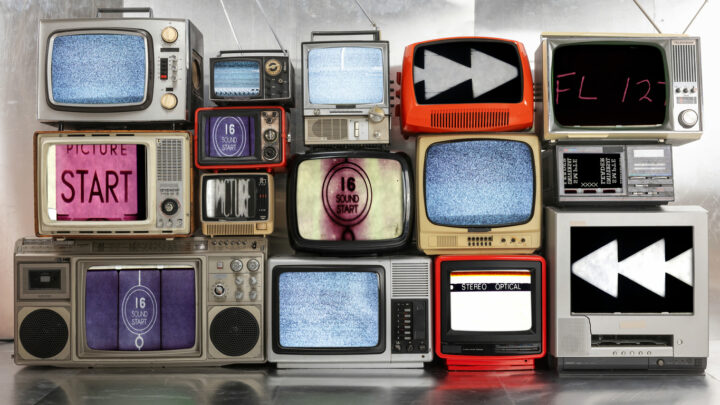
Getting a clear television signal used to involve adjusting an aerial on the roof or behind the TV. Sometimes someone had to stand holding the aerial while another person checked whether the picture improved. Snowy images and flickering reception were common frustrations. Anyone who grew up with perfect digital signals rarely realises how much effort once went into simply getting a watchable picture.
The family argument about who changed the TV channel

Before every TV had its own remote control, many households shared a single one or sometimes none at all. Changing channels meant getting up and pressing buttons on the television itself. Once remotes became common, they quickly became objects of negotiation. Someone always seemed to lose it down the sofa cushions at exactly the wrong moment.
The careful art of making a mixtape for someone
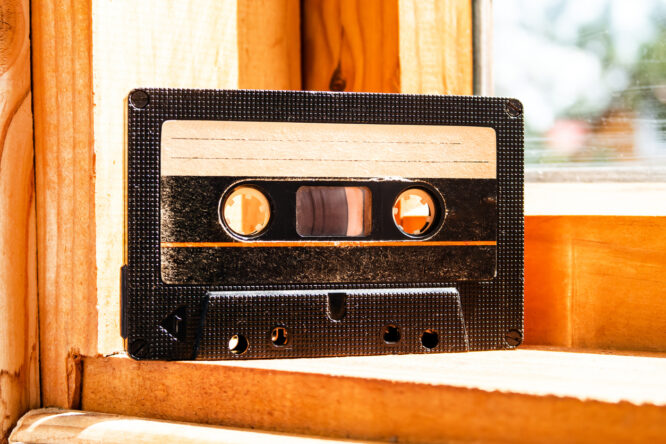
Creating a mixtape meant recording songs onto a cassette tape in a specific order. Each track had to be timed carefully because skipping backwards or forwards wasn’t simple. People often spent hours choosing the right songs and recording them from the radio or CD player. It was one of the most thoughtful ways to share music before digital playlists existed.
When the school library was the only place to research anything

Before search engines, finding information meant visiting the library and searching through shelves of books. Many schools relied heavily on encyclopaedias that were already several years out of date. Research took time and patience, but it also meant discovering things accidentally while browsing. Students today who can find answers instantly might never experience that slower way of learning.
The ritual of checking the weather on the evening news
Before weather apps existed, people waited until the evening news to see the forecast. The presenter stood beside a map while symbols slowly appeared across the country. If you missed the broadcast, you might not know tomorrow’s weather until morning. It made the forecast feel strangely important in a way that instant updates have largely replaced.
The excitement of getting a brand new video game manual
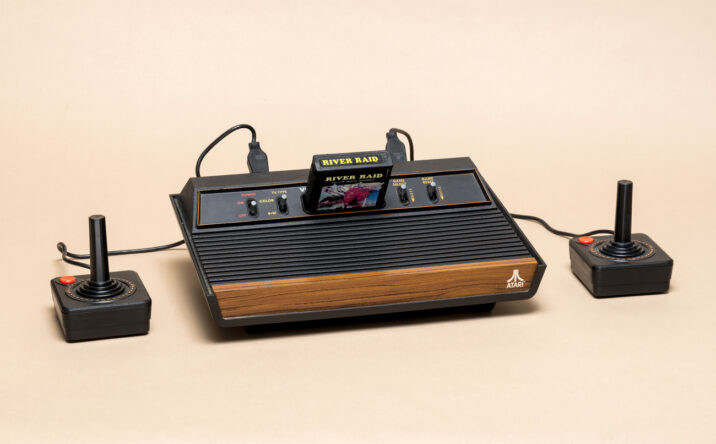
Video games once came with thick instruction booklets explaining characters, controls and storylines. Players often read them carefully before even starting the game. Many manuals included artwork and background details that never appeared in the game itself. Modern digital downloads rarely include anything similar.
The subtle disappointment when a cassette tape started to warp
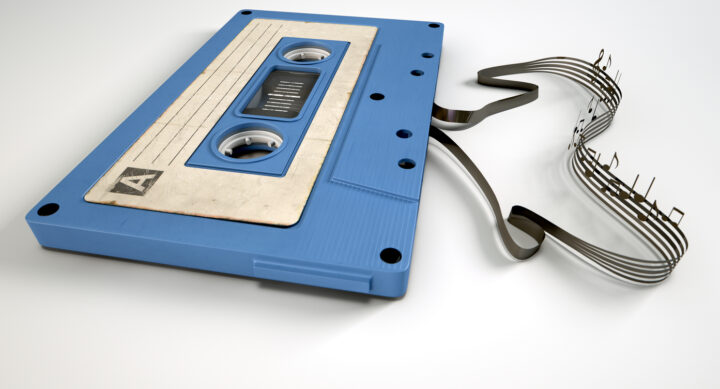
Cassette tapes could wear out over time, especially if they were played repeatedly. Eventually, the sound became distorted or the tape itself began to twist inside the case. Sometimes the tape would spill out completely, leaving people to carefully wind it back using a pencil. It was a strangely delicate piece of technology by modern standards.
The careful habit of checking the TV guide days in advance

Television guides printed in newspapers or magazines once helped people plan their viewing for the entire week. Families often circled programmes they wanted to watch. Without reminders or streaming options, missing something meant waiting months for a repeat. That small act of planning television felt completely normal at the time.