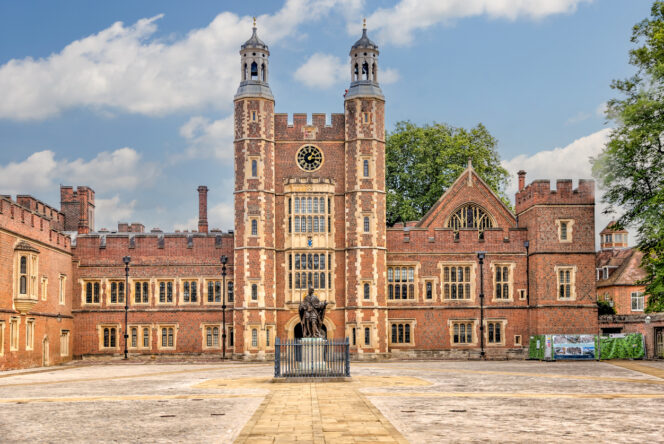
Living in the UK means dealing with a load of weird little problems that wouldn’t make much sense to anyone else.
We’ve got these weird, ingrained habits and systems that have been around forever, and even though they’re a total pain, we just sort of accept them as part of life on this island. It’s those moments where you’re staring at something that clearly doesn’t work properly, and you realise that nobody else is putting up with this rubbish, whether it’s how our houses are built or the way we deal with each other in public. These are some of the issues, both big and small, that are unique to British life (at least for the most part).
Sewage in the sea
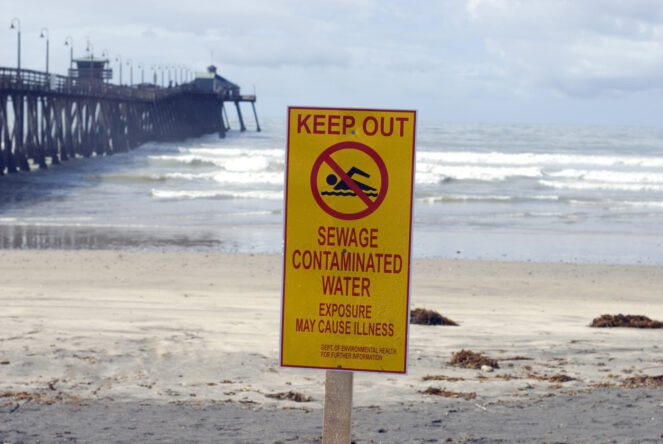
In 2024 alone, there were nearly 600,000 confirmed sewage discharges into UK waters, per Surfers Against Sewage. That’s private water companies pumping raw sewage into the rivers and seas that people swim, surf, and paddle in, while simultaneously raising bills and paying out billions to shareholders.
England is virtually alone in having a fully privatised water system, and the result is a Victorian-era infrastructure run for profit rather than public health. People have contracted hepatitis and Weil’s disease. Surfers have ended up hospitalised. And water bills are set to rise by at least 36% over the next five years regardless.
Not being able to find an NHS dentist

Thirty years ago, you could simply register with a local NHS dentist and go. Now, in most parts of the country, NHS dental lists are either closed entirely or have waiting times measured in years. People are pulling their own teeth to alleviate severe dental pain. They’re travelling hours to find anyone who will see them, or going to A&E because they don’t know what else to do.
Some people are even flying abroad for treatment that should be available down the road. No other comparable country has managed to make basic dental care this inaccessible while technically still providing a national health service.
Train tickets that cost more than flights
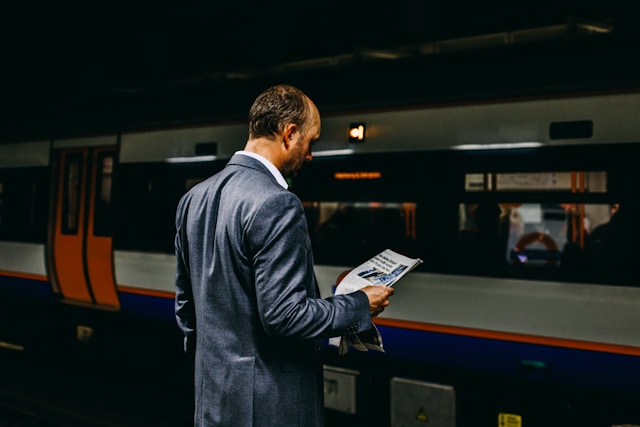
The UK has some of the most expensive rail fares in Europe, and the pricing system is so complicated that two people sitting in the same seat on the same train can have paid completely different amounts depending on exactly when they bought their tickets. A journey from Leeds to Cardiff can genuinely cost more than a return flight to a European city.
The trains themselves are partly owned by French, Dutch, and German state rail companies, meaning British passengers are effectively subsidising cheaper rail travel for people in other countries. While the government is trying to make strides on righting the major wrongs of privatisation, we’re a long way off a functioning service.
The weather as a conversation requirement

The British don’t talk about the weather because they’re particularly interested in it. We talk about it because it’s a socially safe, infinitely renewable topic that can be deployed at any moment to ease tension, fill silence, or connect with a stranger without risking anything. The weather isn’t small talk, it’s infrastructure, and because it genuinely does change dramatically within the space of a single afternoon, it never really runs out of material.
Waiting weeks to see a GP

The system where you phone at 8 a.m. and compete for a same-day appointment has become something of a national sport, and not a fun one. If you miss that window, you’re often looking at a three-week wait for a routine appointment, followed sometimes by a phone call that leads to an in-person appointment, which leads to a referral, which leads to another wait. In most European countries, you can book to see a doctor within a day or two without the early-morning phone scramble.
Paying more so other countries pay less for electricity
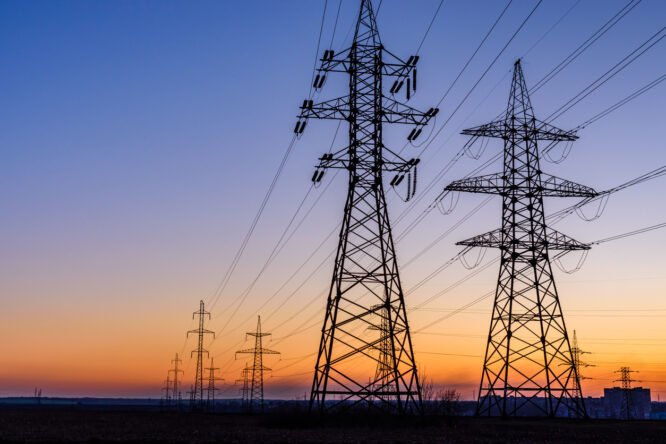
EDF, which supplies a significant portion of UK electricity, is the French state energy company. French households benefit from heavily subsidised electricity because of how EDF is structured as a public utility. UK households pay market rates to the same company, partly because privatisation in the 1980s handed the keys to foreign state operators, who have no particular obligation to prioritise British consumers. It’s a genuinely strange situation that rarely gets the attention it deserves.
The separate hot and cold tap
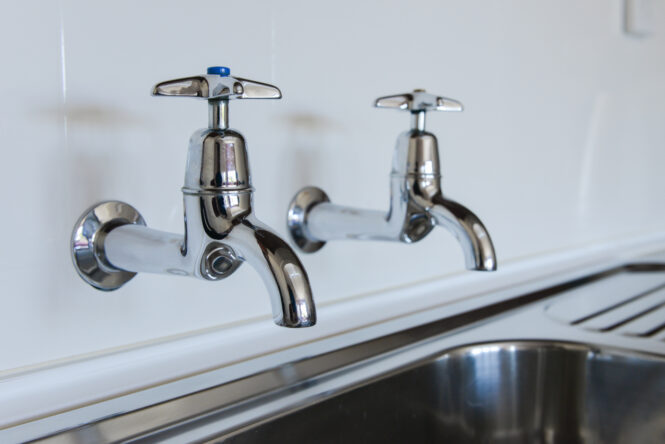
Most of the world uses a mixer tap. You turn it, you get the temperature you want. In Britain, particularly in older homes, there are still two entirely separate taps: one that produces water cold enough to cause mild discomfort, and one that produces water hot enough to scald you. The solution is to fill the sink and mix the water in the basin, which is the kind of thing that confuses visitors from other countries to the point of genuine disbelief.
While mixer taps do exist in the UK and are possible to install, particularly in newer builds where the infrastructure is more modern, separate taps are still incredibly common around Britain.
The gambling industry being absolutely everywhere
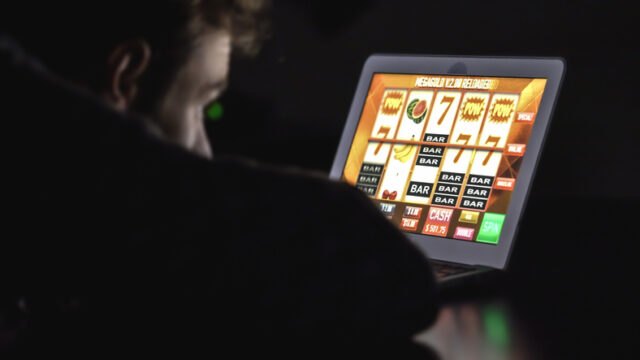
The UK has one of the highest concentrations of gambling advertising and availability in the world. Betting shops on every high street, gambling logos across football shirts, adverts during daytime television, online platforms accessible around the clock. The industry generated around £15 billion in 2024, according to the Gambling Commission. Other countries have far stricter restrictions on where and how gambling can be promoted, and several have moved to ban sports betting advertising entirely. The UK is still largely working out whether it should probably do something about it.
High street banks disappearing

Thousands of bank branches have closed across the UK over the past decade, with rural areas and smaller towns hit hardest. The reasoning from banks is always that fewer people are using branches in person, which is true, but the people who still need them, often older customers, those without reliable internet access, or small business owners dealing in cash, are being left without any local option. Other countries have managed to balance digital banking with maintained branch access in a way the UK hasn’t quite worked out.
Litter and fly-tipping in almost every street
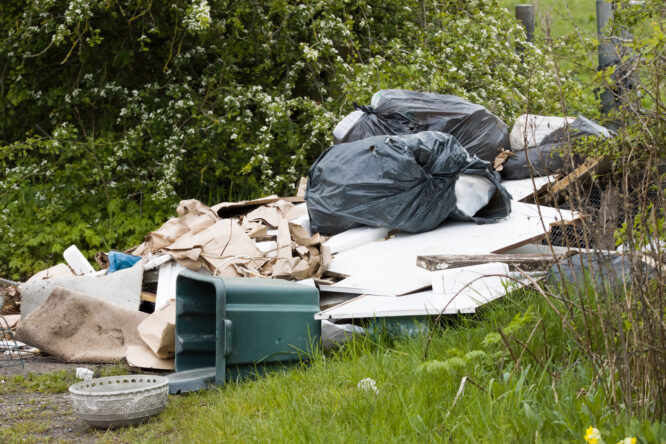
For a country that prides itself on a certain standard of civic behaviour, the sheer volume of litter in Britain is a genuine disconnect. Roadsides, parks, beaches, town centres. It’s not as bad as some places in the world, but it’s noticeably worse than most comparable European countries, and it’s a problem that never really seems to improve despite campaigns, fines, and periodic outrage. Whether it’s a culture issue, an enforcement issue, or a bin provision issue probably depends on who you ask.
The obsession with property values as a dinner party topic

Britain has an unusual relationship with homeownership that doesn’t quite exist in the same way elsewhere. The value of your house isn’t just a financial fact; it’s a social talking point, a source of pride, a retirement plan, and occasionally an identity. People in other countries own homes too, but they don’t tend to discuss what their neighbour’s extension has done for the street’s overall market value over a Sunday roast. Here, it’s practically a hobby.