Growing up in 1970s Britain was a world away from the hyper-connected, safety-conscious environment kids have now.
It was a decade of orange wallpaper, brown corduroy, and a level of freedom that would probably give a modern parent a full-blown panic attack. Back then, you’d disappear after breakfast and wouldn’t be expected back until the streetlights came on, with absolutely no way for your parents to track you down. There were no mobile phones, no internet, and only three channels on a TV that took five minutes to warm up. We didn’t think twice about these things at the time; they were just the backdrop to a childhood that felt infinite, even if it was occasionally interrupted by a power cut or a three-day week.
When you look back, it’s not just the gadgets that have changed—it’s the entire pace of life. It was a time when boredom was a legitimate part of your day, and you had to find creative ways to kill it that didn’t involve a screen. Looking at how kids live today, it’s clear that while they’ve got more technology and safety than we ever dreamed of, they’ve lost out on some of the grit and independence that made growing up during that decade such a unique experience.
These are just some of the things that every ’70s kid took for granted that have since vanished into the history books.
1. The freedom to wander for miles
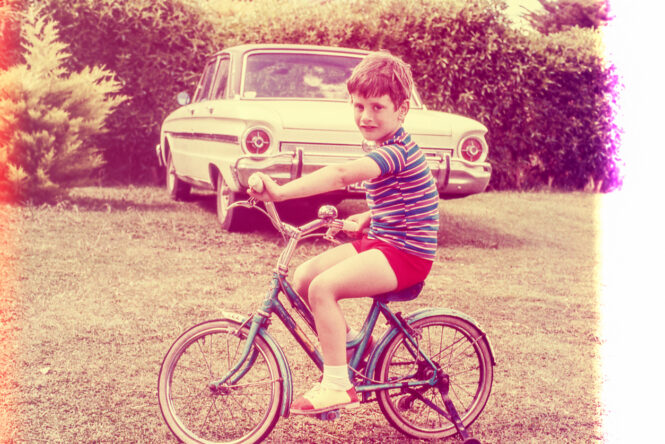
The most striking thing about being a kid in the ’70s was the lack of supervision. Once you’d finished your cereal, you were out the door. You and your mates would roam through woods, building sites, and derelict land without a single adult in sight. As long as you were home for tea, nobody asked too many questions. Nowadays, the idea of an eight-year-old wandering several miles from home on their own would likely result in a visit from social services, but for us, it was just a standard Saturday.
2. The local sweet shop and the 10p mix
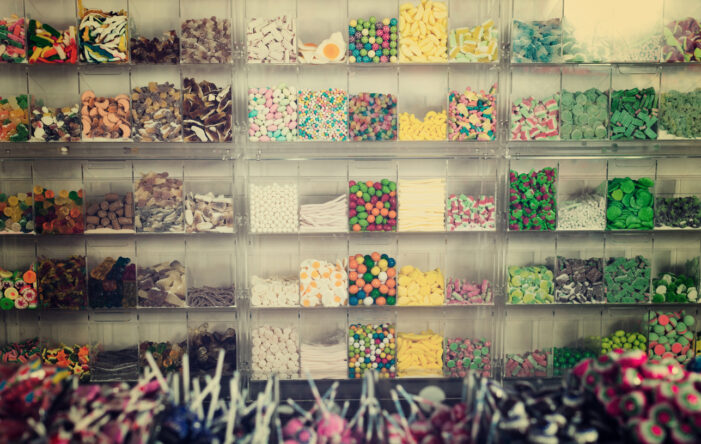
Before every corner shop became a mini-supermarket, the local sweet shop was the centre of our universe. You could walk in with 10p and leave with a paper bag so heavy the bottom threatened to fall out. We spent ages debating the merits of Black Jacks versus Fruit Salads, or whether a Wham bar was worth the risk to our dental work. The shopkeeper would patiently use tiny plastic tongs to pick out individual flying saucers and cola bottles while a queue of kids waited their turn. That specific smell of sugar and paper bags is something you just don’t find anymore.
3. TV shutting down for the night
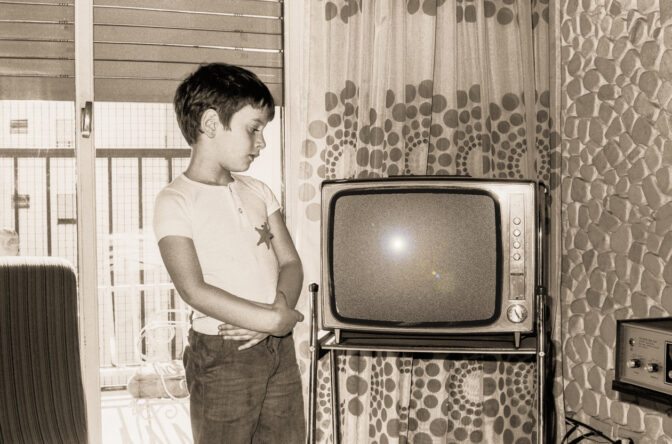
We only had three channels—BBC1, BBC2, and ITV—and they didn’t even run all day. There was a genuine gap in the afternoon where nothing was on, but the weirdest part was the late-night shutdown. Once the news was over and the national anthem had played, the screen would fade to a test card with a little girl and a clown, accompanied by a piercing electronic whine. That was it. If you couldn’t sleep, you couldn’t just scroll through Netflix; you just had to stare at the wall or read a book.
4. Public phone boxes that actually worked
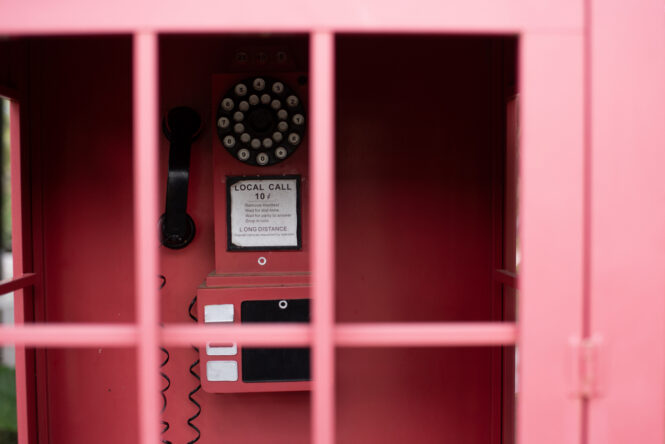
If you were out and desperately needed to get a message home, you had to find a red GPO telephone box. This involved praying you had a spare 2p or 10p coin and that the previous occupant hadn’t ripped the receiver off the wall. There was a very specific smell to those booths—a mix of old tobacco and damp concrete. You’d press Button A once the person answered to drop your coins, or Button B to get them back if nobody picked up. It was a clunky, unreliable system, but it was our only link to home.
5. Milk being delivered in glass bottles

Every morning, without fail, you’d hear the hum of the electric milk float and the clinking of glass. The milkman would leave the bottles on your doorstep, and in the winter, the birds would peck through the silver foil tops to get at the cream. We didn’t think about the logistics of it; the empty bottles were just washed and put back out for collection the next day. It was the ultimate circular economy, decades before we started calling it that.
6. The excitement of the Saturday morning cinema club
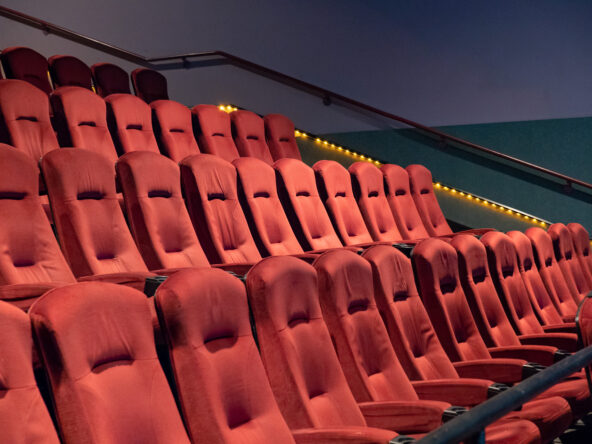
Before every house had a video player, the cinema was the only place to see films. Many local cinemas ran Saturday morning clubs specifically for kids. For a few pence, you’d be herded into a dark room with hundreds of other screaming children to watch old black-and-white serials, cartoons, and the occasional Children’s Film Foundation production. It was loud, chaotic, and smelled of stale popcorn, but it was the highlight of the week.
7. Cigarette smoke being everywhere
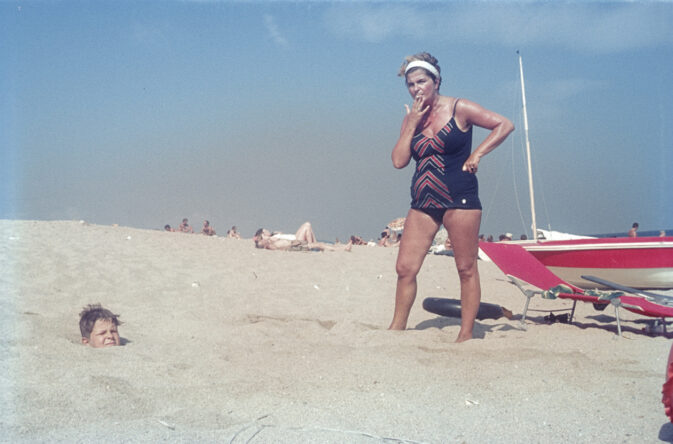
It’s hard to explain to kids today just how much smoke was in the air in the ’70s. People smoked on buses, in cinemas, in offices, and even in hospitals. You’d go to a restaurant and sit in a thick fog of blue smoke while you ate your dinner. Even as children, we were constantly exposed to it; it was just a normal part of the atmosphere. The idea of a smoke-free pub or workplace was completely alien back then.
8. The communal school milk

Every morning at primary school, we were given a small, third-of-a-pint glass bottle of milk. In the winter, it was often half-frozen, and in the summer, it would sit in the sun until it was lukewarm and slightly sour. You were expected to drink it whether you liked it or not. While the intentions were good, the memory of that warm, slightly curdled milk is enough to make most ’70s kids shudder even now.
9. Playground equipment made of solid steel
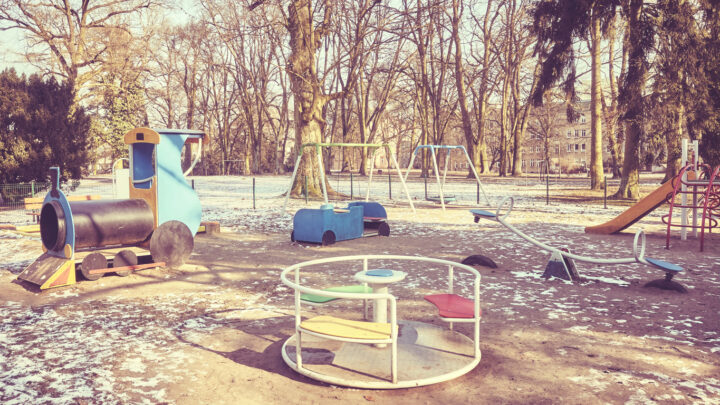
Health and safety hadn’t really reached the local park in the 1970s. Slides were made of sheet metal that would reach blistering temperatures in the sun, and the floor underneath was almost always hard asphalt or packed dirt. Roundabouts were designed to spin at speeds that would make a fighter pilot dizzy, and the goal was usually to see how many kids could stay on before someone was flung into the bushes. We all had scarred knees and bruised elbows, but we considered it a fair trade for the thrill.
10. The arrival of the evening newspaper
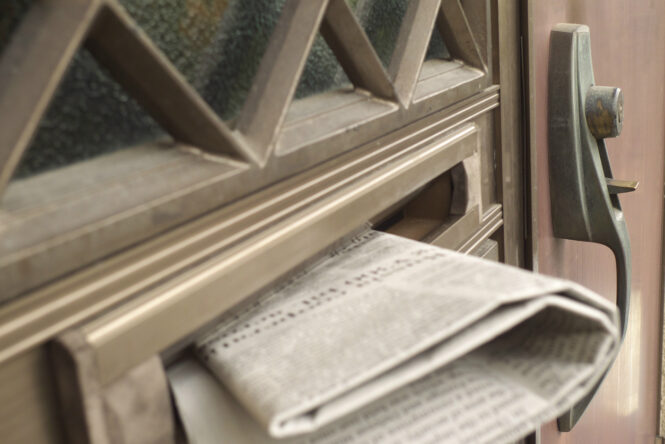
In the days before rolling news, the local evening paper was a huge deal. You’d hear the paperboy or girl coming down the street, and there’d be a genuine rush to see the latest headlines and the football results. It was how your parents found out what was happening in the town and what was on at the telly that night. The house would fall silent for half an hour while the paper was dissected, long before we could get the same information in three seconds on a smartphone.
11. Three-day weeks and power cuts
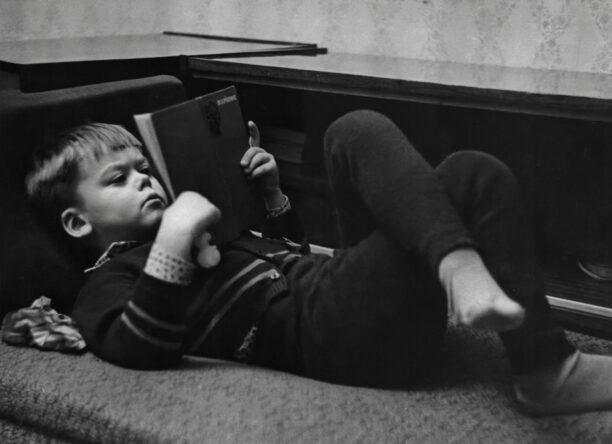
Because of the industrial unrest in the mid-’70s, the government introduced the three-day week to save electricity. For a kid, this was actually quite exciting. The power would go out at a set time, and the whole family would have to huddle around candles or a camping stove. We’d play board games by torchlight and treat it like an adventure. We didn’t really grasp the economic crisis behind it; we just enjoyed the fact that the telly was off, and we were allowed to stay up a bit later.
12. Using a physical map to get anywhere
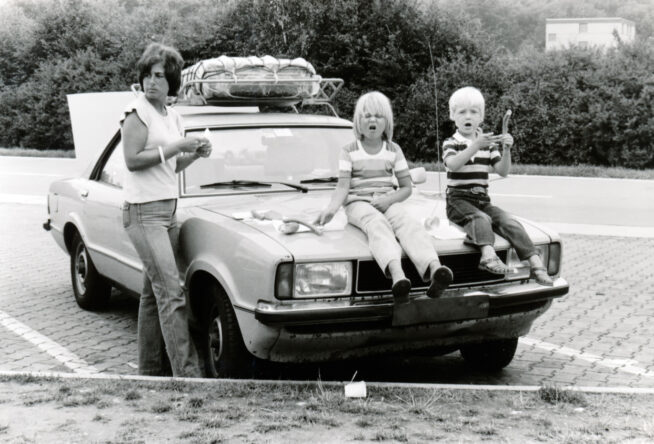
Going on a family holiday involved a massive A-to-Z or a tattered AA road atlas spread across the passenger seat. Your dad would drive while your mum tried to figure out which junction was which, often leading to a heated debate in the middle of a roundabout. There was no calm voice telling you to turn left in 200 yards. If you missed a turn, you stayed lost until you found a signpost or stopped to ask a stranger for directions.
13. Top of the Pops being a national event
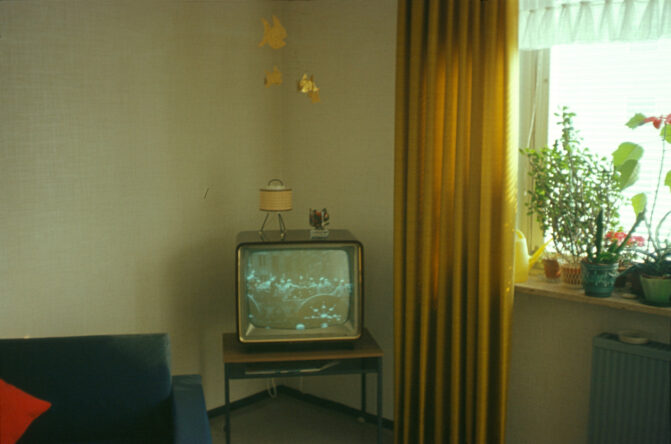
On Thursday nights, the entire country watched Top of the Pops. It was the only way to see what the bands actually looked like, and everyone would be talking about it at school the next day. You’d sit with a cassette recorder, holding the microphone up to the TV speaker and praying the presenter wouldn’t talk over the intro of your favourite song. Those tapes were full of the sounds of your family talking in the background, but they were precious.
14. Fizzy drinks in returnable glass bottles

Whether it was Corona or the local pop man, fizzy drinks came in heavy glass bottles that were worth money. You could take the empty bottle back to the shop and get a few pence for it, which was a massive deal for a kid’s budget. It was a self-funded recycling scheme that meant we were always on the hunt for abandoned bottles in the park or under the hedge.
15. The utter silence of a Sunday

Sunday in the ’70s was a day when everything simply stopped. The shops were shut, there was no sport on the telly until the afternoon, and the streets were practically empty. It was a day of roast dinners, car washes, and forced family walks. While it could be incredibly boring, it also forced you to slow down and find something to do with your hands. That level of quiet is something that’s been completely lost in our 24/7, always-on world.