It feels like the UK has undergone a bit of a personality transplant lately, and not particularly in a good way.

We used to be a country that took a certain pride in being a bit reserved, a bit stoic, and fundamentally polite to a fault, but you don’t have to look very far to see that those old habits are wearing thin. While change is inevitable, there’s a specific brand of Britishness that seems to be slipping through our fingers, replaced by a louder, more hurried way of living that doesn’t quite fit our rainy little island.
We’re losing those unwritten rules that kept the peace in the supermarket queue or made a local neighbourhood feel like a proper community. It’s worth taking a second to look at what’s actually gone missing, and whether we’ve accidentally binned off the best parts of ourselves in the rush to be modern. Here are some of the things that used to be second nature but are getting rarer by the day.
The unwritten rules of the local pub

There was a time when the pub was a very specific kind of ecosystem with its own set of etiquette that everyone just understood. You knew that you didn’t just stand at the bar and shout; you caught the barman’s eye with a subtle nod. You knew that if someone bought you a pint, you were in a round for the rest of the night—it was a social contract. Now, that’s been replaced by people staring at their phones in silence or treating the staff like they’re working in a fast-food joint. We’ve lost that sense of the pub being a shared community living room where everyone, from the local binman to the lawyer, could have a chat on equal footing.
Minding your own business as a form of respect

We used to be famous for a live and let live attitude that meant we didn’t poke our noses into what the neighbours were up to. It wasn’t that we didn’t care; it was that we respected people’s privacy enough to let them get on with their lives. That’s been completely dismantled by the era of oversharing and the constant urge to have an opinion on everything. We’ve gone from a nation of people who kept their curtains twitching, but their mouths shut, to a society where everyone feels entitled to a front-row seat to everyone else’s business, usually while offering a running commentary on it.
Making do and mending
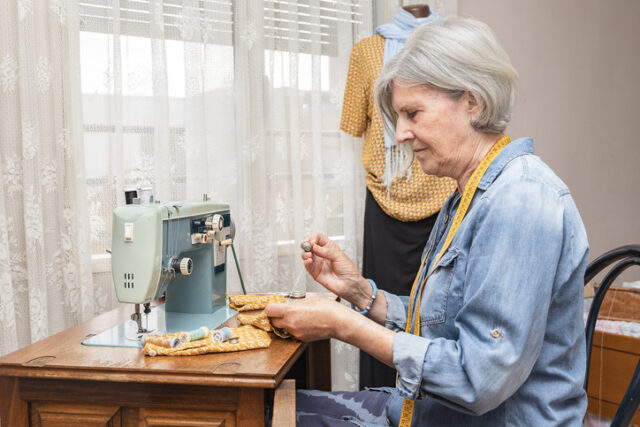
There was a certain pride in keeping things going for as long as possible. If a toaster broke, you’d spend a Saturday morning trying to fix it, and if your favourite jumper got a hole, you’d darn it. It was a grounded, sensible approach to the things we owned. Now, we’ve become a throwaway culture where the second something isn’t perfect, or the newest model comes out, the old one goes in the skip. We’ve lost that practical skill and the patience that came with it, choosing the hollow thrill of a new delivery over the satisfaction of actually looking after what we already have.
The humble apology for things that aren’t your fault

One of the most British things you could do was say sorry to someone who just walked into you. It was a social lubricant that kept everything moving smoothly and stopped minor annoyances from turning into rows. It wasn’t about admitting guilt; it was about being a decent person and de-escalating the situation. That’s largely gone now, replaced by a defensive “watch where you’re going” or a stony silence. We’ve become a bit too concerned with being right rather than just being pleasant, and our daily interactions are a lot more friction-heavy because of it.
Proper Sundays where everything actually stopped
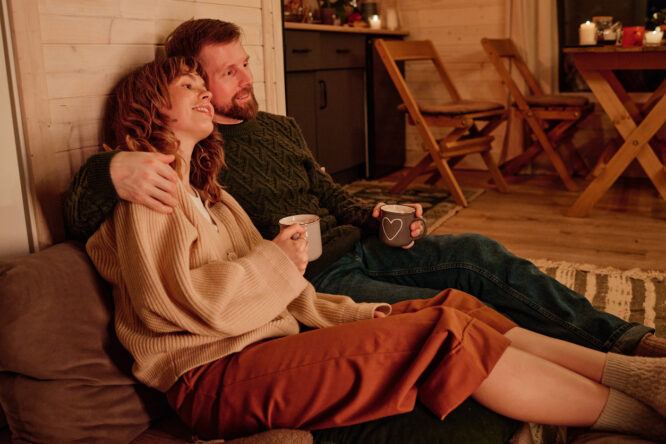
You don’t have to be religious to miss the days when Sundays actually felt different from the rest of the week. There was a time when the shops were shut, the streets were still, and the day was genuinely dedicated to a long walk, a massive roast, and doing absolutely nothing productive. It gave the whole country a collective breather. Now, Sunday is just Saturday part two. We’re always shopping, always working, and always on. We’ve traded that weekly reset for the ability to buy a pint of milk and a pair of socks at 4:00 PM on a Sunday, and it’s left us all feeling a lot more burnt out.
Being a good sport when things go wrong

We used to have a very healthy relationship with failure. Being a good loser was seen as just as important as being a winner, if not more so. There was a sense of dignity in taking a knock on the chin with a bit of a laugh and moving on. Lately, that’s been swapped for a culture of relentless complaining and finding someone to blame whenever things don’t go perfectly. We’ve lost that stoic ability to take the rough with the smooth without making a massive scene about it.
Being able to rely on someone’s word

It used to be that if a bloke said he’d show up to fix your roof or help you move house, he’d be there. A verbal agreement was as good as a signed contract because your reputation in the community actually mattered. In the digital age, that’s been replaced by flakiness as a standard personality trait. We’ve become far too comfortable with sending a last-minute text to cancel plans or just ghosting people entirely. The value of being someone who actually does what they say they’re going to do has plummeted, and it makes life a lot more unpredictable for everyone.
Respecting your elders without questioning why

There was a built-in understanding that if someone had lived through eight decades, they probably knew a thing or two that you didn’t. We gave up our seats on the bus and listened to their stories, even if they went on a bit. Now, there’s a weirdly dismissive attitude toward older generations, as if being over 70 makes your opinions completely irrelevant in the modern world. We’ve lost that bridge between the past and the present, and in doing so, we’re missing out on a lot of perspective that you just can’t get from a search engine.
Learning to live with a bit of awkwardness

We used to be the masters of the slightly uncomfortable silence. If you met an acquaintance on the street, you’d have a quick, slightly clumsy chat about the clouds and then move on. It was part of the social fabric. Now, we’re so terrified of a second of dead air that we dive into our phones the moment we’re alone in an armchair or waiting for a train. We’ve lost the ability to just exist in a space without being constantly entertained, and as a result, we’ve lost those random, human interactions that happen when you’re actually looking at the world around you.
The modesty of the “not bad” response

In the UK, if you’d just won the lottery and climbed Everest in the same afternoon, you’d still describe your day as pretty alright. There was a deep-seated value in being understated and not making a song and dance about your successes. Now, we’ve imported a lot of that American-style hustle culture where everyone is a visionary, and every minor achievement is life-changing. We’ve traded our natural humility for a constant need to brag on the internet, and it makes everyone feel like they’re failing if they aren’t constantly winning at life.
Knowing your neighbours’ names

It wasn’t that long ago that you’d know exactly who lived in every house on your street. You’d keep a spare key for them, or they’d pop round to borrow a bit of sugar. There was a safety net in that local knowledge. These days, you can live in a flat for 5 years and not have a clue who’s behind the door three feet away from yours. We’ve become a nation of strangers living in close quarters, and while we’ve gained more privacy, we’ve lost that sense of being part of a physical community that actually looks out for its own.
Taking pride in a job well done, regardless of what it is

There used to be a real respect for craftsmanship and labour, whether you were laying bricks or filing paperwork. You did it properly because your name was attached to it. Now, there’s a sense that many jobs are just a means to an end, leading to a “that’ll do” attitude that’s crept into everything from home repairs to customer service. We’ve lost that quiet satisfaction that comes from doing a task to the best of your ability, choosing instead to do the bare minimum needed to get to the end of the shift.
The lack of a litigious culture

If you tripped over a loose paving stone in the ’80s, you’d probably just feel a bit embarrassed, dust yourself off, and keep walking. Now, the first thought for many is, “Who can I blame and how much can I get for it?” We’ve become a lot more litigious and eager to find a payday in every little accident. This has forced everyone, from local councils to small businesses, to become incredibly risk-averse, stopping us from doing anything remotely interesting because of the fear of a legal bill. We’ve lost that bit of common sense and personal responsibility.
Dressing up for the occasion

You didn’t need to be posh to want to look your best for a trip to the theatre, a wedding, or even just a Sunday lunch. It was a sign of respect for the event and the people you were with. Now, the standard uniform for almost everything seems to be a tracksuit or gym gear. While it’s certainly more comfortable, we’ve lost that sense of occasion. When everyone is dressed for the sofa, no matter where they are, it makes the world feel a bit more drab and less special.
15. The ability to disagree without falling out

We used to be quite good at having a proper row about politics or football, and then still going for a pint together afterwards. You could think your mate was talking absolute rubbish without thinking he was a terrible person. Now, every disagreement feels like a moral battleground. If you don’t agree with someone 100%, you’re cancelled or seen as the enemy. We’ve lost that bit of thick skin that allowed us to have different views while still staying friends. It’s made the country a lot more divided and a lot less fun to be in.