Getting to 50 is a bit of a milestone, but it’s also the point where your body starts sending you the bill for every questionable decision you made in your 20s.

Most of the advice out there for this age group is incredibly bleak, focusing on what you should stop doing or which supplements you need to shovel down just to stay upright. But the real measure of how you’re holding up isn’t found in a blood test or how fast you can run a 5k. It’s in the small, weirdly specific ways you interact with the world every day.
You’re doing better than most if you’ve reached the half-century mark and these 15 things still feel like second nature. It’s the functional stuff that actually matters, as in, the bits of mobility and coordination that mean you’re still the boss of your own movements. If you can breeze through the first half of this list, you’re head and shoulders above the average person your age.
1. The sock balance test

Most people don’t notice the exact moment they start leaning against a wall or sitting on the edge of the bed to put their socks on. It happens slowly. One day you’re fine, and the next, you’re hopping around like a wounded flamingo. If you can still stand in the middle of the room, lift one leg, and get a sock on without toppling over or needing a structural support, your core stability is in top-tier shape. It’s a deceptively hard move that requires your brain and your balance to be on the same page.
2. Sitting cross-legged on the floor

In your 50s, the floor can start to feel like a far-off, dangerous land. Plenty of people avoid it entirely because they’re worried they won’t be able to get back up without calling for backup. If you can still sit cross-legged on a rug for 20 minutes while you’re playing with a dog or sorting through a box of old photos, your hips are doing fantastic work. Being able to fold yourself up like that shows you’ve kept the kind of flexibility that most people trade in for a comfy armchair by the time they hit 45.
3. Reading the fine print on a sauce bottle

We all know the long arm phase where you have to hold a menu at full stretch just to see what the soup of the day is. While lasers and glasses can fix the focus, having the mental sharpness and the eye health to read the tiny, cramped instructions on the back of a condiment bottle in a dim kitchen is a massive win. It’s a sign that your sensory processing hasn’t started to blur into a frustrated mess yet.
4. The “look behind you” reverse

Cars are packed with cameras and sensors these days, which has made us all a bit lazy. However, the real test of your neck and spine mobility is whether you can still physically twist your torso and look out the back window while reversing into a tight spot. If you can do that without feeling a sharp twinge or hearing your neck sound like a bag of gravel, your range of motion is brilliant. It’s one of those things you don’t value until you find yourself having to turn your entire body just to see who’s behind you at the checkout.
5. Opening a brand-new jar

There’s a specific kind of internal panic that sets in when a jar of pickles refuses to budge. You start looking for a tea towel, then a knife to tap the lid, then eventually you’re looking for someone younger to do it for you. Grip strength is actually one of the best indicators of overall longevity. If you can still crack the seal on a fresh jar of jam without making a face like you’re lifting a car, your muscle density and nervous system are still firing on all cylinders.
6. Carrying all the shopping bags in one trip

We’ve all done it—the stubborn refusal to walk back to the car for the second load of shopping. If you can still hook five heavy bags into each hand and make it to the kitchen without feeling like your shoulders are about to exit their sockets, you’re doing alright. This isn’t about being a bodybuilder; it’s about that old man strength or mum strength that comes from decades of just getting things done. It shows your joints are still stable under pressure.
7. Sprinting for the bus without a warm-up

Life doesn’t give you 10 minutes to stretch your hamstrings when you see the 55 bus pulling away from the stop. You either move right now, or you’re waiting in the rain for half an hour. If you can transition from a casual walk to a 30-metre dash without pulling a muscle or feeling like your heart is going to jump out of your throat, you’re in a great place. That sudden explosive movement is usually the first thing to go as we age, so if you’ve still got that gear, keep using it.
8. Jumping over a puddle

It sounds childish, but the ability to clear a bit of standing water without a second thought is a huge indicator of proprioception, or knowing where your body is in space. Most people in their 50s will take the long way around or gingerly step through the mud because they don’t trust their landing. If you can still take a literal leap of faith and land cleanly on the other side, your knees and ankles are in a different league compared to most of your peers.
9. The hands-free stand-up

If you’re sitting on the sofa or a low chair, try to stand up without using your hands to push off the armrests or your knees. If you can just engage your core and power upward using only your legs, you’re in the top tier of functional strength. Most people start relying on that lever motion with their arms as their leg power fades, but if you can still rise like a piston, your lower body is decades younger than the calendar suggests.
10. Threading a needle on the first go

It’s not just about your eyesight; it’s about the steady hand and the fine motor skills that usually start to fray as the years pile up. Being able to align a tiny bit of thread with an even tinier needle hole without your hands shaking, or your patience snapping is a sign of excellent neurological health. It shows that your brain is still communicating perfectly with your fingers, maintaining that precision that makes life a lot less frustrating.
11. Sleeping through the night without a bathroom break

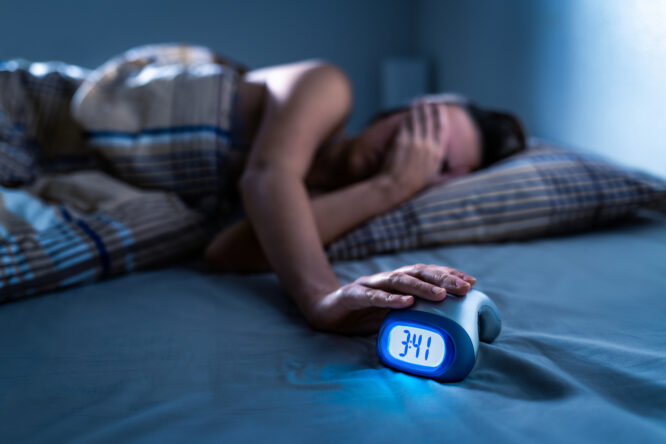
There comes an age where the 3 a.m. trip to the loo becomes a mandatory part of the schedule. If you can still drink a glass of water before bed and wake up eight hours later without having been woken up by your bladder, you’re winning a very underrated battle. It’s a sign that your internal plumbing and your deep sleep cycles are still robust. Good sleep is the foundation of everything else, and being able to get a full, uninterrupted stint is a massive luxury past 50.
12. Remembering why you walked into the room

We’ve all had those brain farts where you stand in the kitchen staring at the fridge, wondering what on earth you went in there for. While it happens to everyone occasionally, if you still have a sharp enough working memory to hold onto a task while being distracted by the cat or a phone notification, you’re doing well. It shows that your cognitive RAM is still functioning at a high level, keeping track of the small details of your day without dropping the ball.
13. Getting through a long flight without feeling like a human pretzel

Cramping into an economy seat for four hours is a test for anyone, but if you can walk off that plane at the other end without your back being locked in a permanent C shape, your spinal health is top-notch. Being able to handle prolonged periods of being stuck in one position and then just getting up and walking away shows that your connective tissues are still hydrated and flexible. If you don’t need 20 minutes of recalibration before you can walk properly, you’re ahead of the curve.
14. Hearing a conversation in a noisy pub

Cocktail party syndrome is a real thing—the ability to tune out the background roar of a crowded room and focus on the person speaking right in front of you. As we age, the brain’s ability to filter out white noise often starts to slip. If you can still follow a story at the local without constantly saying, “Pardon?” or leaning in so far you’re practically in your mate’s lap, your auditory processing is still sharp. It’s one of those hidden signs of health that keeps you socially connected.
15. The no-groan move

The most telling sign of ageing isn’t gray hair; it’s the involuntary oomph or errgh sound people make when they sit down, stand up, or tie their shoes. It’s the soundtrack of the 50s for most. If you can move through your day—reaching for the bottom shelf, hoisting a suitcase, or getting out of a car—in total silence, you’ve maintained a level of physical ease that most people have lost. It means your movements are still fluid and don’t require a vocalised effort just to overcome gravity.