Some people assume introverts are shy or antisocial, but that’s not always true.

Plenty of them blend right in; they laugh at the right times, make conversation, and seem perfectly comfortable in a crowd. What most people don’t notice is how drained they feel afterwards, or how much they crave quiet once the social part is over.
You can often spot a hidden introvert by the things they say. These statements slip out naturally, revealing how much they value peace, space, and time to recharge. If you catch yourself saying these things often, you might be more introverted than you realise.
1. “I need to recharge after that.”
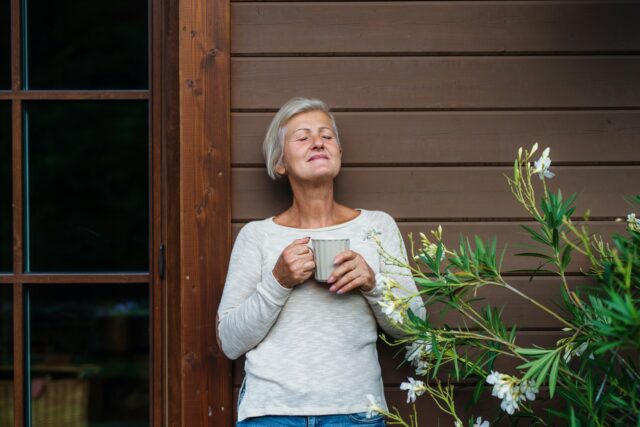
Extroverts don’t typically need to recover from social events because being around people energises them. If you’re using the word recharge after spending time with other people, even if you enjoyed it, that’s introvert behaviour through and through.
You might be great at parties and genuinely like people, but needing solitude afterwards to feel normal again is the giveaway. Extroverts get their energy from those interactions rather than losing it.
2. “Can we just stay in tonight?”

Suggesting a quiet night at home instead of going out, especially when you’ve had a busy week, shows where your real comfort zone is. It’s not that you hate going out, it’s that staying in sounds genuinely more appealing most of the time.
Extroverts might say this occasionally when they’re tired, but if it’s your default preference more often than not, you’re probably more introverted than you realise. The relief you feel when plans get cancelled is telling.
3. “I’m not ignoring you, I just need some space.”

Having to explicitly tell people you need alone time means you’ve reached your limit for social interaction. Extroverts rarely feel the need to carve out deliberate periods of solitude because they don’t find constant company draining.
If you’re regularly having to explain that you need space without it meaning anything’s wrong, that’s classic introvert territory. You need that time alone to feel like yourself again.
4. “I hate small talk.”
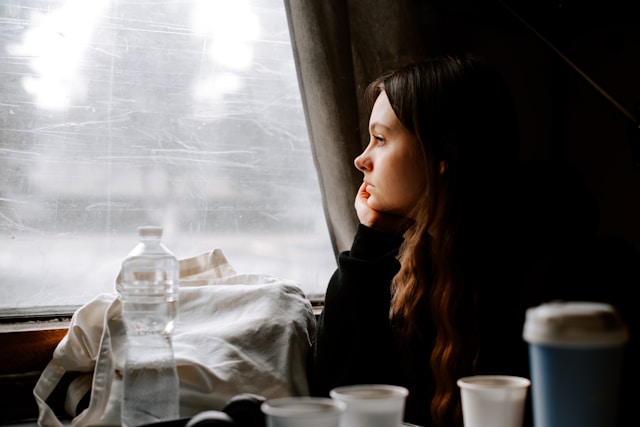
Most introverts find superficial conversation exhausting rather than enjoyable. If you’d rather skip the weather chat and either talk about something meaningful or not talk at all, you’re probably not the extrovert you think you are.
Extroverts often enjoy small talk because it’s a way to connect with people easily. If it feels like a chore you have to endure to get to real conversation, that’s an introvert thing.
5. “Do we have to go?”

Asking this question about social obligations, even ones you know you should attend, reveals that your instinct is to avoid them rather than look forward to them. You’ll go, you might even have a decent time, but your first reaction is reluctance.
Extroverts don’t usually need to talk themselves into social situations. If you’re constantly trying to find reasons to skip things or mentally preparing yourself to attend, that’s introvert behaviour.
6. “I prefer one-on-one hangouts.”

Big groups feel overwhelming when you’d rather have a proper conversation with one person than try to keep up with multiple conversations at once. If you consistently suggest meeting just one mate instead of inviting the whole crew, you’re probably an introvert.
Extroverts tend to love the energy of groups and get bored with just one other person. If group settings leave you feeling drained rather than energised, that tells you something.
7. “I’m peopled out.”

Having a specific term for reaching your limit with human interaction means you hit that wall regularly enough to need words for it. Extroverts don’t typically run out of capacity for being around other people the way introverts do.
When you use this phrase, you’re acknowledging that social interaction is something you have a finite amount of energy for. That’s fundamentally how introverts operate, even when they’re socially skilled.
8. “Can we leave soon?”

Checking how much longer you need to stay at an event, especially when you’ve only been there an hour or two, shows you’re watching the clock and planning your escape. You’re not having a terrible time necessarily, you’re just ready to be done.
Extroverts are usually the last ones to leave because they’re still getting energy from being there. If you’re plotting your exit strategy shortly after arriving, introversion is showing.
9. “I need advance notice for plans.”

Spontaneous social invitations feel stressful rather than exciting because you need time to mentally prepare yourself for interaction. If someone asking you to meet up in an hour makes you anxious rather than eager, you’re likely an introvert.
Extroverts tend to love last-minute plans because it means more social time. Needing to psych yourself up and adjust your energy for unexpected socialising is classic introvert behaviour.
10. “I’m fine, just thinking.”
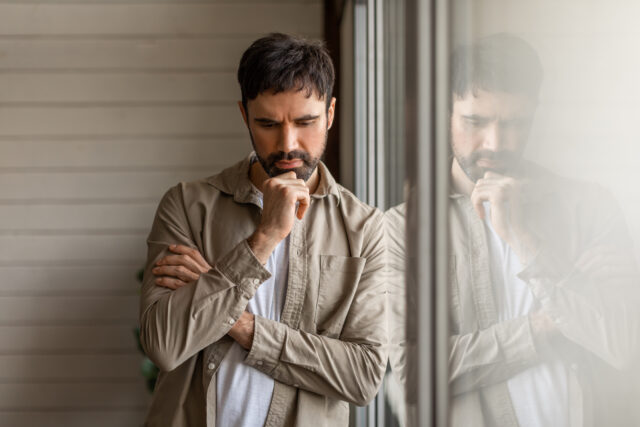
When people ask if you’re okay because you’ve gone quiet, it’s usually because you’ve retreated into your head for a bit. Introverts do this naturally in social situations, taking mental breaks without leaving the room.
Extroverts process by talking, so they’re rarely just sitting there thinking while everyone else chats. If you regularly zone out and need to be brought back into conversation, that’s an introvert trait.
11. “I’d rather text than call.”

Phone calls feel more invasive and demanding than messages because they require immediate engagement without time to think about your responses. If you’d almost always prefer to text, even with close friends, you’re probably an introvert.
Extroverts often prefer calls because they get energy from real time conversation. If phone calls feel like work unless you’re really in the mood, that’s telling.
12. “Sorry, I was in my own world.”

Spending a lot of time in your head, even when you’re physically present with other people, is something introverts do without meaning to. You drift into your thoughts and someone has to pull you back out.
Extroverts are usually fully engaged with what’s happening around them because that’s where their focus naturally goes. If you’re constantly retreating into your inner world, that’s introversion showing up.
13. “That sounds like too many people.”

Hearing about an event and immediately doing the maths on how crowded it’ll be shows that crowd size is a factor in whether you want to go. The more people involved, the less appealing it sounds to you.
Extroverts often get more excited about events when they hear lots of people will be there. If your interest decreases as the headcount goes up, you’re probably more introverted than you think.
14. “I’m not being antisocial, I’m just tired.”
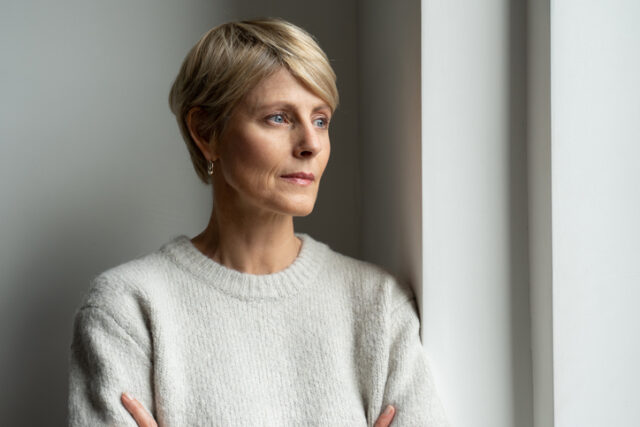
Having to defend your need to be alone or turn down plans by blaming tiredness rather than just saying you don’t feel like being around people shows you’re aware it seems odd. You know other people expect you to want company.
The fact that you frame it as tiredness instead of preference reveals you think people won’t understand that you simply want to be alone. That’s an introvert trying to seem more extroverted than they are.
15. “Can we do something low-key?”

When making plans, you’re always pushing for quieter, calmer options rather than anything high energy or stimulating. You’d rather grab coffee than go to a club, walk in a park than attend a festival.
Extroverts lean towards stimulating environments because that’s what energises them. If you’re consistently suggesting the mellower option, your introvert side is making itself known.
16. “I need a minute.”

Excusing yourself from group situations to step outside, go to the bathroom, or just be alone briefly shows you need regular breaks from social interaction. It’s not about the actual space, it’s about getting away from people for a moment.
Extroverts don’t typically need timeouts during social events. If you’re taking little breathers throughout, you’re managing your social energy like an introvert does.
17. “I’m better in writing.”

Preferring to express yourself through text, emails, or messages rather than in person or on the phone shows you need time to process and formulate thoughts. You’re more articulate when you can think before responding.
Extroverts usually prefer talking things through because they process externally. If you feel more comfortable and capable in written communication, that’s an introvert preference showing.
18. “Don’t take it personally, I’m just not in a social mood.”

Having to clarify that your withdrawal isn’t about the other person means you regularly need solitude in a way that other people find unusual. You’re managing their expectations because you know your need for alone time can seem like rejection.
Extroverts rarely have to explain that they’re not in the mood for company because it happens so infrequently. If this is something you say regularly, introversion is your default mode.
19. “Weekends are for recovering.”

Viewing your days off primarily as time to recover from the week rather than opportunities to fill with activities and socialising reveals what you actually need. Your weekend ideal involves minimal plans and maximum solitude.
Extroverts usually pack their weekends with social plans because that’s how they unwind. If your perfect weekend involves seeing as few people as possible, you’re definitely an introvert.
20. “I’m good with people, I just need breaks.”

This statement itself is the clearest sign you’re an introvert who’s learned to function socially. You’ve developed the skills to navigate social situations well, but you’re still fundamentally someone who needs regular time alone to maintain that.
Extroverts don’t need breaks from people because interaction energises rather than depletes them. If you’re socially capable but require frequent solitude to sustain that capability, you’re a closet introvert who’s just good at adapting.