Plenty of people like to think they’re good at putting themselves in others’ shoes, but real compassion takes more than kind words and good intentions.

It’s about tuning in, paying attention, and responding with care even when it’s inconvenient. That sort of emotional awareness can’t be faked, either; it’s something you build through self-reflection and genuine concern for the people around you.
Being that kind of person shows up in the smallest moments: when you listen instead of interrupting, when you choose patience over frustration, and when you offer comfort without needing credit for it. If those things don’t come naturally, it might be time to take a closer look at how connected you really are to the people in your life.
1. You listen without planning your response.

Most people are just waiting for their turn to talk, mentally preparing what they’ll say next while someone’s still speaking. If you’re truly empathetic, you’re fully focused on understanding them rather than thinking about how you’ll reply.
That sort of listening makes people feel actually heard instead of just tolerated. When someone finishes talking, and you respond to what they actually said rather than where your mind wandered, they notice the difference.
2. You sit with uncomfortable emotions instead of fixing them.

When someone’s upset, the empathetic response isn’t always to solve their problem or cheer them up immediately. Sometimes people just need you to be present with their pain without trying to make it disappear because it makes you uncomfortable. Rushing to fix things can feel dismissive, like their feelings are a problem you need to handle quickly. Real empathy means being okay with discomfort long enough to let someone feel what they’re feeling.
3. You ask questions instead of making assumptions

Thinking you know what someone’s going through without asking them directly is guesswork, not empathy. Different people experience the same situations in completely different ways, and assuming you understand without checking is lazy. Asking questions shows you’re interested in their specific experience, not just projecting what you’d feel in their position. That distinction matters more than most people realise.
4. You adjust your communication style for different people.

Some people need direct conversation, others need gentle approaches, and treating everyone the same way ignores who they actually are. Empathy means reading people well enough to know how they need to be spoken to. Insisting on communicating only in the way that works for you forces everyone to adapt to you constantly. That’s the opposite of empathetic, even if you think you’re just being authentic.
5. You notice when someone’s struggling, even if they don’t say it.

Empathetic people pick up on subtle changes in behaviour, tone, or energy that signal something’s wrong. They don’t wait for someone to explicitly ask for help or spell out that they’re having a hard time. Paying attention to those quiet signals and checking in shows you’re tuned into people beyond just their words. Most people won’t volunteer that they’re struggling, so noticing without being told makes a real difference.
6. You validate feelings, even when you don’t agree with them.

Someone can be completely wrong about a situation and still have real feelings about it. Empathy means acknowledging those feelings as valid, even when you think their perspective is off. Telling someone they shouldn’t feel a certain way just because you wouldn’t feel that way shuts down the connection immediately. You can disagree with their interpretation while still respecting their emotional experience.
7. You remember important details about people’s lives.

Asking someone how their mum’s surgery went or remembering they were nervous about a presentation shows you actually care about what’s happening in their world. Forgetting everything people tell you suggests you’re not really invested. You don’t need a perfect memory, but consistently blanking on things that matter to someone makes them feel like they don’t matter to you. Empathetic people make the effort to retain what’s important.
8. You apologise when you’ve hurt someone, even unintentionally.

Explaining that you didn’t mean to hurt someone doesn’t undo the hurt. Empathetic people focus on the impact of their actions, not just their intentions, and they apologise for the pain caused regardless. Getting defensive or insisting it wasn’t your fault because you meant well centres your feelings over theirs. Real empathy means prioritising their experience of what happened.
9. You don’t make other people’s pain about you.

When someone shares something difficult, immediately relating it back to your own experience can feel like you’re hijacking their moment. Sometimes people need space to talk about themselves without it becoming about you too. Sharing a similar experience can build connection, but timing matters. Jumping straight to your story before they’ve finished processing theirs isn’t empathy, it’s just making yourself the focus.
10. You respect boundaries even when you don’t understand them.
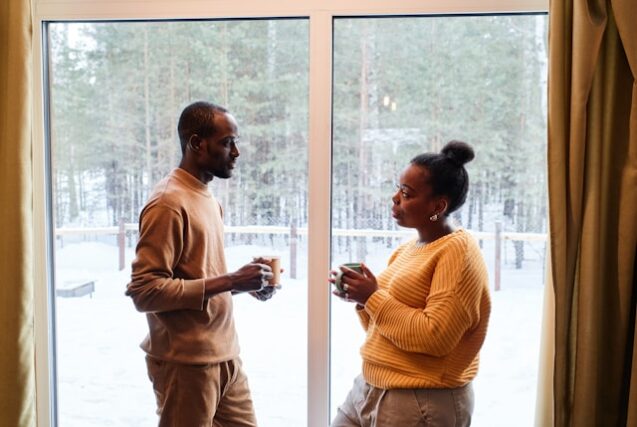
Someone might need space or have limits that don’t make sense to you, but empathetic people honour those boundaries anyway. Pushing someone to explain themselves or trying to convince them their boundaries are unnecessary is dismissive. People don’t owe you explanations for how they protect their well-being. Respecting their needs without needing to agree with them shows you value their comfort over your curiosity.
11. You celebrate people’s wins without any jealousy.

Being genuinely happy for someone when good things happen to them, without comparing it to your own situation or feeling threatened, is harder than it sounds. Empathy means their success doesn’t diminish you. If your first internal reaction to someone’s good news is resentment or comparison, that’s something to work on. Empathetic people can hold space for other people’s happiness without making it competitive.
12. You admit when you don’t understand someone’s experience.

Pretending to fully get something you’ve never been through isn’t empathy, it’s performance. Being honest about the limits of your understanding while still offering support is far more genuine. People can tell when you’re faking comprehension, and it creates distance. Saying you can’t fully understand, but you’re there for them anyway builds more trust than false claims of total understanding.
13. You don’t compare struggles to determine whose are valid.

Someone’s pain isn’t less real because someone else has it worse. Empathetic people don’t rank suffering or dismiss someone’s difficulties just because other people are dealing with bigger problems. That kind of comparison shuts people down and makes them feel guilty for struggling. Everyone’s capacity and circumstances are different, and empathy means meeting people where they are.
14. You check your privilege and how it shapes your perspective.

Understanding that your experience isn’t universal and that other people face challenges you’ve never encountered is fundamental to empathy. Acting like everyone has the same opportunities or obstacles you’ve had ignores reality. Empathetic people actively work to understand perspectives shaped by different circumstances. They don’t assume their way of seeing the world is the only valid one.
15. You show up consistently, not just in crisis moments.

Being there when something dramatic happens is easier than showing up for the boring, everyday struggles. Empathy isn’t just about grand gestures during emergencies, it’s about steady presence through ordinary difficulties too. Checking in regularly, not just when disaster strikes, shows you care about someone’s whole life, not just the highlight reel. That consistency builds real connection over time.
16. You’re willing to be uncomfortable for someone else’s comfort.

Real empathy sometimes means having difficult conversations, admitting fault, or changing your behaviour even when it’s inconvenient. If you only show empathy when it’s easy, it’s not really empathy. Being willing to feel awkward, wrong, or challenged for someone else’s sake is where empathy proves itself. Anyone can be kind when it costs them nothing.