Growing up in a chaotic household takes its toll on you not just as a child, but well into adulthood, too.

Even if life looks a whole lot calmer now (probably by design), a lot of old habits can stick around because they once helped you cope. These are some of the patterns people often carry with them after a tense or unpredictable upbringing. They might’ve helped when you were younger, but they’re exhausting and potentially damaging now.
1. Always scanning for danger

People who grew up in stressful homes often keep a sharp eye out for even the slightest changes in mood, tone, or atmosphere. They learned to notice the smallest signs of conflict because it once kept them a step ahead of trouble.
That habit doesn’t just vanish, unfortunately. As adults, they may find themselves constantly checking the “temperature” of a room, even when no real threat is present, which can make relaxation feel pretty much impossible.
2. Putting other people’s needs first all the time

When chaos is normal, keeping everyone else calm can feel like survival. Many kids from stressful households learn to prioritise other people’s moods over their own, believing that harmony depends on them smoothing things over.
As adults, this often turns into chronic people-pleasing. They may struggle to voice their own needs, fearing it will upset someone or spark conflict, even when the situation is safe.
3. Expecting the worst all the time

Growing up with constant uncertainty makes it natural to assume things will go wrong. It becomes a way to prepare for disappointment before it even arrives because surprises often meant pain or conflict in the past.
Carrying that outlook forward can make optimism feel suspicious. Even good news is met with doubt because the mind quietly whispers that the happiness will not last.
4. Overworking to feel secure

For some, work becomes the safest place to prove value. They push themselves harder than most, driven by the belief that productivity or achievement is the only way to avoid criticism or neglect.
This habit earns praise on the surface, but it often hides deep exhaustion. They may not know how to rest without guilt because rest once felt unsafe or undeserved.
5. Struggling to trust easily
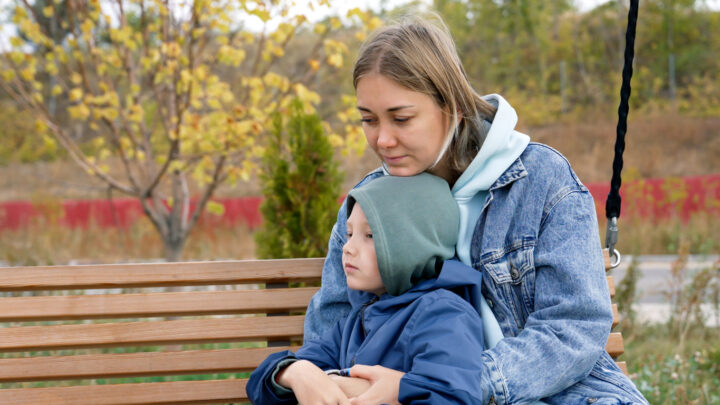
If trust was repeatedly broken growing up, it makes sense that trust feels fragile later. Promises that weren’t kept or support that was inconsistent teach you to stay cautious, even with people who mean well.
That caution shows up as hesitation in relationships, which makes a lot of sense. It takes longer to feel safe with other people because part of you expects the same let-downs you once knew.
6. Keeping emotions tightly managed

When showing feelings led to backlash or dismissal, hiding them became protection. Kids in stressful households often learn to keep emotions hidden, believing vulnerability makes them targets rather than supported.
As adults, this habit lingers. They may struggle to cry, ask for comfort, or admit sadness, even when surrounded by safe people who would respond with care.
7. Apologising too much

In stressful homes, saying sorry quickly can defuse tension. It becomes a reflex, a way to avoid anger before it builds. As time goes on, apologies slip out, even when they’re very much unnecessary.
As grown-ups, this makes them seem unsure of themselves. They apologise for existing in small ways—taking up space, needing help, or even asking questions—because sorry feels safer than standing firm.
8. Avoiding conflict at all costs
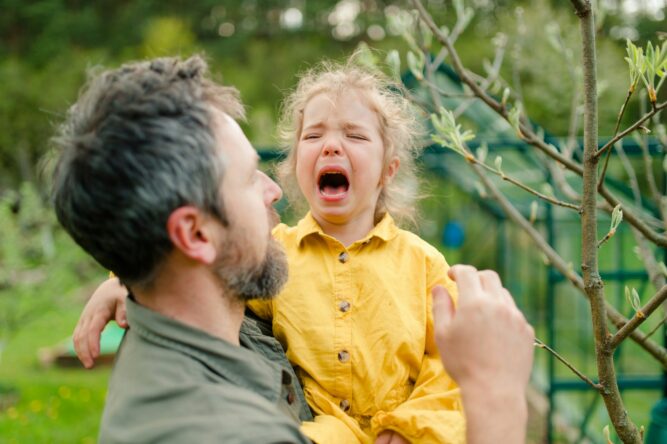
Conflict in childhood may have been frightening, so avoidance becomes the default. People raised in stress often learn to silence themselves or back down just to keep the peace, even when their point is valid.
Sadly, that often continues into adulthood. They may leave things unsaid, let frustrations pile up, or sacrifice fairness, all because disagreement still feels more dangerous than silence.
9. Holding themselves to impossible standards

Stressful upbringings can teach kids that being perfect is the only way to avoid criticism. Perfectionism then becomes armour, a belief that mistakes will lead to rejection or punishment. If they can only become a bit more successful, make a bit more money, lose a bit more weight, their problems will be solved (at least in their own minds).
Of course, that perfectionism can be relentless later. They push themselves harshly, rarely celebrating progress because they feel safest only when they’re flawless, which is a standard no one can actually meet.
10. Needing constant reassurance

If love and approval were unpredictable, people often learn to seek reassurance repeatedly. It’s a way to test whether someone is still there, still supportive, and still safe to rely on. If the person passes the test, they can breathe a sigh of relief… for today at least.
Even in healthy adult relationships, that need can remain. They may ask the same questions often or worry about small silences because inconsistency in the past made them doubt stability in the present.
11. Struggling to relax fully

For children who grew up tense, relaxation was rare. When the atmosphere shifted quickly, being on guard felt safer than letting down walls. That habit stays wired into the body and mind. They’re constantly on guard, and that’s exhausting.
As adults, they may find downtime uncomfortable. Quiet moments feel unsettling, as though danger will return if they stop paying attention, which makes genuine rest feel almost impossible.
12. Reading too much into small signs that don’t mean anything (or at least not much)

Growing up in stress makes you hyper-aware of subtle changes. A sigh, a look, or a pause once meant trouble, so the brain learns to study tiny details for warning signs.
That habit lingers in relationships of all kinds. They may overthink silence, assume disapproval where there is none, or worry constantly about hidden meanings because their brain is still scanning for old patterns.
13. Keeping a tight grip on control

Unpredictable childhoods often make control feel like safety. People cling to routines, strict order, or detailed plans as a way to prevent surprises because surprises used to mean chaos or pain. They’d rather know what’s coming around every corner if at all possible.
While structure helps, too much control can make life rigid. They may struggle to adapt when things change because letting go of control feels like stepping back into danger.
14. Struggling with self-worth

If affection was scarce or conditional, it is common to grow up questioning value. Kids from stressful homes sometimes feel like they have to earn love, and that belief follows them into adulthood. They believe even the smallest flaws make them unloveable, and that’s no way to live.
This shows up as self-doubt. They may dismiss achievements, downplay strengths, or assume other people secretly dislike them because they never learned to see themselves as naturally enough.
15. Avoiding asking for help

In stressful homes, asking for help was not always safe. Sometimes it was ignored, sometimes it brought criticism, so many people learned to handle everything themselves instead of risking disappointment.
As adults, that independence can look strong, but it often hides exhaustion. They push through alone rather than leaning on other people, even when support is available and freely offered.
16. Always preparing for change

Unpredictability shapes a mindset of constant readiness. People who grew up in chaotic situations may find themselves bracing for the next change, always half-expecting the ground beneath them to move without warning.
That habit creates resilience but also restlessness. They may struggle to settle, always waiting for life to flip again because consistency still feels like a fragile luxury rather than a guarantee.