Coming out is rarely just saying a few words and getting on with your life.

For most people, there’s a whole messy emotional process happening behind the scenes, sometimes for years before they even speak a word of it out loud. Fear doesn’t always come into play, either. It’s about identity, pressure, shame, timing, and working out how the hell to explain something that’s personal, complicated, and probably still evolving. These are the kinds of emotional knots people often end up stuck in before they even get close to coming out.
1. Wondering if people will see you differently

You know who you are, but once you say it out loud, you start worrying people might rewrite everything they thought they knew about you. It’s like your whole personality might suddenly be filtered through this new lens, like being out somehow overrides everything else about you.
It’s not that you’re ashamed of it. You just don’t want to become a walking label. You want people to still see you as you: same sense of humour, same favourite crisps, same deeply weird obsession with late-2000s music videos. That fear of being seen as “just” your identity can keep you biting your tongue longer than you planned.
2. Not feeling ready to actually say the words

Even when you’ve known for ages, there’s something strange about speaking it out loud. It’s like it makes it more real, more permanent, and you start wondering if you’re meant to suddenly feel different, more sure, more valid. Sometimes you just need more time to sit with it yourself before you share it with anyone else. Saying it out loud isn’t always a big moment of liberation. Sometimes it’s just awkward, nerve-wracking, or anticlimactic. And that’s okay.
3. Being scared it’ll mess up the relationships you care about

Even if you think the people around you are “open-minded,” there’s still that fear that something will change. That they’ll be supportive in theory, but things will get weird in ways you can’t really predict. It’s not always about rejection. Sometimes it’s just knowing that everything might feel slightly different afterwards, with a few more pauses, fewer questions, more distance. You end up holding off because you don’t want to lose what you already have, even if that means hiding a piece of yourself.
4. Feeling guilty for not telling people sooner

Once you do come out, people sometimes hit you with the “I wish you’d told me before” line. Even if they mean it kindly, it hurts because you probably did want to tell them. You just didn’t know how, or when, or whether they’d handle it well. You start second-guessing whether you’ve somehow been dishonest just by keeping it to yourself. But the truth is, you were just trying to survive. Nobody owes anyone a full autobiography before they’re ready to share it.
5. Feeling like you need to have it all figured out.

There’s a weird pressure to present your identity like it’s fully packaged and ready to go: label, backstory, perfect explanation. However, for a lot of people, it’s messy. It changes, and it doesn’t always fit neatly into a box. That’s terrifying when you think people are going to quiz you or doubt you if your story doesn’t come with clean answers. The thing is, identity isn’t a school project. You’re allowed to still be working it out while being honest about where you’re at.
6. Worrying people won’t take you seriously

There’s always that voice that says, “They’re not going to believe you.” Maybe because you don’t fit some stereotype. Maybe because you dated someone different last year. Maybe because your vibe isn’t what people expect. That can make you hesitate, not because you’re unsure, but because you’re tired before you’ve even started. Tired of feeling like you’ll have to argue for something that should just be accepted as true.
7. Dreading the awkward reactions

Even if you think someone’s going to be supportive, you still dread the weird facial expressions or the forced “Oh… cool!” that feels anything but. You’re not looking for a standing ovation; you just don’t want to feel like a walking awkward moment. Sometimes that dread alone is enough to make you keep it to yourself. You’re not just coming out. You’re managing their feelings about it too, and that part’s exhausting.
8. Feeling like you don’t fit the “right” mould
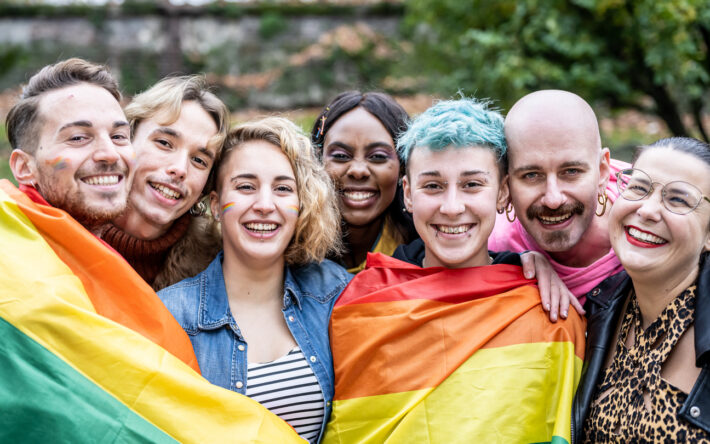
Maybe you don’t look or act how people expect. Maybe you’ve never had a partner. Maybe you’ve bounced around with different labels and don’t really want to land on one. It’s easy to start feeling like you’re not queer enough, trans enough, “valid” enough.
That kind of internal gatekeeping sneaks in fast, especially when the loudest voices in your head are old ones from school, TV, or family. Of course, being who you are doesn’t need to pass anyone else’s test. It just needs to feel true to you.
9. Dealing with all the old feelings that start bubbling up

Coming out stirs up more than just what’s happening now. Old stuff comes to the surface, stuff you maybe buried years ago: little comments you brushed off, times you stayed silent, moments that left a dent. It can hit you out of nowhere. One minute you’re just telling someone, the next you’re replaying a conversation from ten years ago and realising how long you’ve been carrying all this. It’s a lot, so no wonder it takes time.
10. Feeling like you have to explain yourself to everyone

It’s one thing to come out; it’s another thing to then have to answer a bunch of questions like you’re on a panel. “So when did you know?” “Are you sure?” “What does that mean exactly?” It’s relentless. Sometimes you just want to exist without turning it into a PowerPoint presentation. But you know people will ask, and that makes it harder to open up in the first place. You’re not just telling someone; you’re bracing for follow-up questions like it’s an interview.
11. Worrying you’ll disappoint someone

Even if no one says it, there’s often that unspoken feeling that you’ve gone off-script. It’s like you’re not living the version of life they expected from you, and that can come with guilt, especially if you were raised to be the “easy kid,” the one who didn’t make waves. You don’t want to feel like you’ve let someone down just by being honest. And sometimes that pressure makes you want to go right back into hiding, even when you know it’s eating you up inside.
12. Not knowing what comes next

Coming out doesn’t come with a guidebook. It’s not like you say the thing and then suddenly everything makes sense. There’s still so much unknown: how people will react long-term, how you’ll feel next week, what parts of life this might affect.
That can make the whole thing feel massive. You start overthinking every possible outcome, even if none of them happen. That sense of uncertainty can be paralysing, even when the truth is, you don’t need to have it all figured out to just take one step forward.
13. Wondering if you even want to come out at all

This one doesn’t get talked about enough. Sometimes people don’t actually want to come out, not because they’re ashamed, but because it feels unfair that they even have to. Straight and cis people don’t have to “announce” themselves. You might just want to live your life and be yourself without making it a big thing, and that’s valid. Coming out isn’t a moral obligation, it’s a choice. Whether you do it, when you do it, and how you do it should always be on your terms.