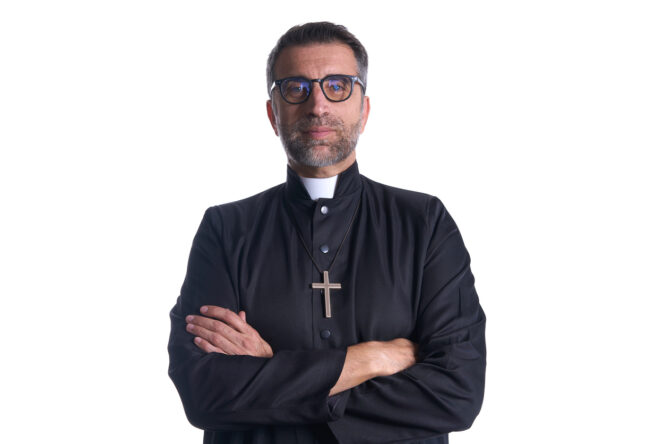
The question of whether clergy should be allowed to marry isn’t just a religious debate. It actually cuts into deep questions about tradition, humanity, power, and how we define devotion. For some, celibacy represents spiritual discipline. For others, it feels like an unnecessary burden rooted in outdated rules.
Whether you’re coming at this from inside a faith community or just watching from the sidelines, this is one of those topics that keeps stirring something in people. Here are 14 reasons the debate still matters, and why it’s more than just a question of policy.
1. Marriage doesn’t cancel out spiritual commitment.
The idea that being married makes someone less devoted to God assumes that love and faith can’t coexist. However, many people would argue the opposite: that loving well in a relationship can actually deepen spiritual understanding. Priests, pastors, and other clergy are often expected to counsel couples, support families, and preach about love. Being in a committed relationship themselves could make that guidance more grounded and real, not less.
2. Celibacy isn’t always a personal calling. It’s often a rule.
Some people truly feel called to a celibate life, but many others take on that role because it’s required, not because it fits who they are. As time goes on, that disconnect can lead to emotional strain, secrecy, and inner conflict. Choosing celibacy freely is very different from being forced into it by tradition. When it becomes an expectation rather than a calling, it risks turning something sacred into something rigid and performative.
3. Suppressing basic human needs can backfire.
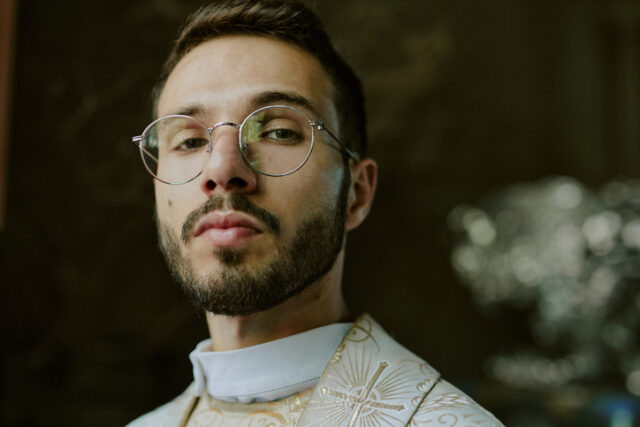
When someone is told to deny a fundamental part of being human, such as intimacy, connection, or companionship, it can lead to serious emotional and psychological consequences. Loneliness isn’t a moral failure, but it can be incredibly painful. There’s also the risk of needs being expressed in harmful or unhealthy ways when there’s no safe, honest outlet. Allowing clergy to marry could help prevent some of those hidden struggles from growing in the shadows.
4. Marriage can offer stability, not distraction.
People often assume that a spouse or family would pull a clergy member away from their duties. But in many professions, a strong personal life gives people the grounding they need to do demanding work without burning out. Rather than being a source of conflict, a supportive relationship can actually help someone stay connected to their values, stay emotionally balanced, and keep showing up fully for the community they serve.
5. Most faith leaders outside Catholicism are already married.
In many Christian denominations, and across other faiths, leaders marry and raise families without issue. Their marriages are seen as part of a whole life, not something that gets in the way of their ministry. So when the argument is made that clergy can’t be effective while married, it doesn’t really hold up across the broader religious landscape. The difference often comes down to tradition, not evidence.
6. It makes the role more relatable.
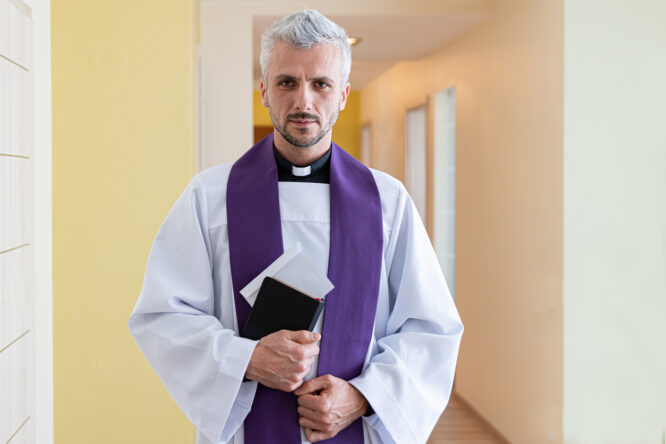
Clergy are often expected to guide other people through life’s messiest emotions: think grief, heartbreak, doubt, conflict. However, if they’ve been kept at a distance from those very experiences, it can be hard to relate on a human level. Letting clergy marry can bridge that gap. It helps congregants see their leaders not just as spiritual figures, but as real people with lives and love stories of their own, which can make their wisdom feel more grounded and sincere.
7. Forcing celibacy can isolate people who need support.
When you’re not allowed to have a partner, emotional support becomes harder to find. Many clergy feel they must carry their burdens alone, which leads to isolation, exhaustion, and even mental health issues that go unspoken. Being married doesn’t magically fix those struggles, but it can provide an anchor, someone to check in, listen, and remind you that you’re more than your role. That kind of daily connection is something everyone deserves, clergy included.
8. The rule has more to do with control than purity.
Historically, celibacy rules were often tied to power and property, preventing clergy from having heirs who might inherit church assets. It wasn’t just about holiness. It was also about protecting institutional interests. Knowing that puts the modern version of this rule in perspective. It’s not just a spiritual tradition; it’s a choice shaped by very human systems. And if the reasoning behind a rule no longer serves the people it affects, it’s fair to question it.
9. Not everyone is built for a solo life.
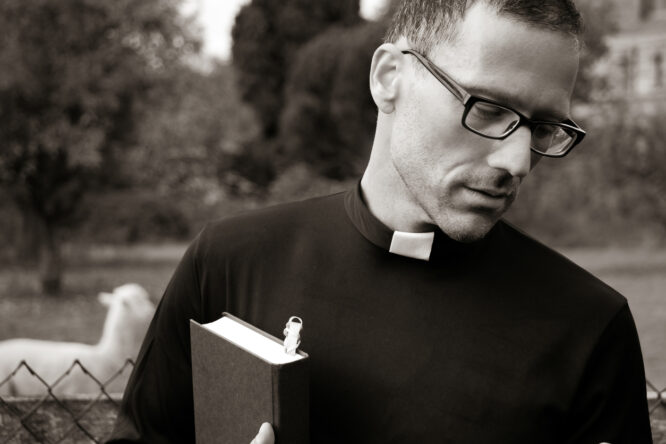
Some people thrive in solitude, but others don’t, and expecting all clergy to be emotionally self-sufficient, with no partner, no intimacy, and no family life, assumes one way of being suits everyone, which simply isn’t true. People have different emotional needs. Some find clarity in silence; others find strength in connection. Letting clergy choose the life that works for them could lead to healthier, more honest ministry across the board.
10. It can create unnecessary secrecy.
When marriage or romantic relationships are forbidden, but still longed for, people often keep those parts of themselves hidden. That secrecy can lead to shame, fear, and disconnection, not just personally, but within the whole faith community. Allowing marriage removes the need to hide. It makes space for honesty, and that honesty can strengthen trust between clergy and those they serve. Faith, after all, isn’t built on perfection. It’s built on truth.
11. Younger generations often see the rule as outdated.
Many younger believers, and former believers, see mandatory celibacy as one of the reasons religion feels out of touch. It doesn’t align with what we now understand about mental health, relationships, or human connection. If institutions want to stay relevant and compassionate in the modern world, listening to these concerns matters. Changing the rule wouldn’t mean abandoning tradition. It would mean evolving in a way that keeps the heart of faith alive.
12. It can block potential leaders from stepping up.

Some incredibly kind, insightful, and devoted people never consider clergy life simply because they want a family. They feel they have to choose between spiritual service and a full personal life, and that feels unfair. Removing the marriage ban could invite more people into leadership roles who currently feel disqualified, not because they lack faith, but because they’re human. And faith communities would only benefit from that kind of openness.
13. It creates a double standard.
In many faith traditions, laypeople are encouraged to marry, raise families, and build loving partnerships. But clergy are held to a different, stricter standard, as if being more spiritual means being less human. That separation doesn’t always make sense. It can even breed resentment or confusion, especially when those rules seem rooted in image more than meaning. Equality in personal choice could help close that gap.
14. Love and service don’t cancel each other out. In fact, they often deepen each other.
Being in a loving, mutual relationship doesn’t make someone less able to serve. It often makes them more compassionate, more balanced, and more emotionally in tune with other people. Real love stretches your empathy in ways nothing else does.
When clergy are allowed to experience love without shame or secrecy, it doesn’t weaken their ministry, it humanises it. Given that the world feels pretty disconnected and uncertain these days, that kind of grounded, relatable leadership is exactly what many are craving.