Pride started as a protest, but over time, it’s grown into a celebration that’s loud, colourful, joyful, and unapologetic.
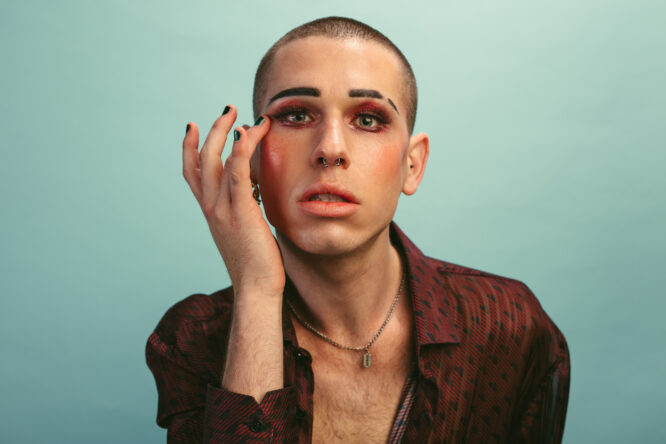
Sadly, not everyone in the queer community feels seen in it anymore. For some, Pride feels more like a party they’re expected to enjoy than a space where they actually belong. Whether it’s the corporatisation, the cliques, or the subtle pressure to “look the part,” there are reasons why some LGBTQ+ people feel like outsiders during the one month that’s meant to include them. Here are just a few of them.
1. It’s become heavily commercial.
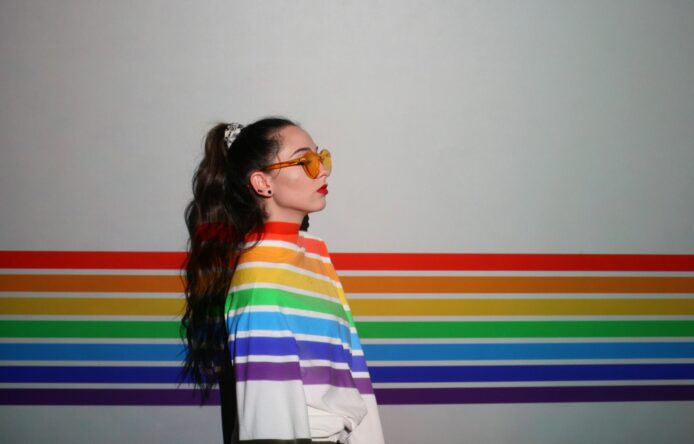
For many, the meaning of Pride gets overshadowed by brand logos, rainbow-themed products, and PR campaigns that disappear the second July hits. It’s hard to feel represented when it seems like your identity is being used to sell things instead of uplift your voice.
What started as a grassroots movement for visibility and rights can now feel like a marketing opportunity for companies that don’t always show up the rest of the year. That disconnect is hard to ignore, especially for those who still face real struggles the adverts gloss over.
2. There’s pressure to be visibly queer in a specific way.
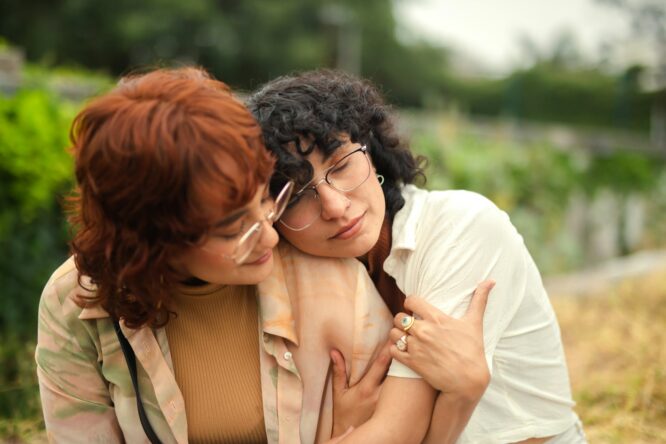
Pride can feel like it’s made for a certain kind of queer person: loud, glittery, extroverted, and body-confident. If you’re more low-key, more reserved, or don’t present your queerness in a way that’s seen as “fun,” it can feel like you don’t quite fit in. They’re not ashamed of who they are, but identity doesn’t look the same for everyone. When Pride only highlights a narrow slice of queerness, it unintentionally leaves out a lot of people who don’t match the vibe.
3. Not everyone is out, or feels safe being out.

Some queer people are still navigating environments where being open could put them at risk. That might mean living with unsupportive family, working in a hostile job, or simply not being ready yet. When Pride is framed as something you must attend or post about to “prove” your queerness, it can make people who aren’t fully out feel excluded or ashamed. Pride should never feel like a test of visibility.
4. It can feel overly focused on cis gay men.
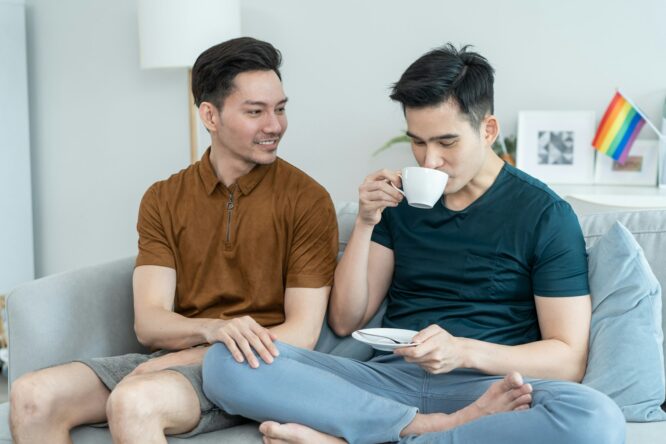
Despite being a diverse community, Pride events and media coverage often centre cisgender gay men—particularly white, able-bodied, attractive ones. Other voices, especially those of queer women, trans people, non-binary people, and people of colour, can end up pushed to the sidelines.
This leaves many feeling like the space isn’t really built with them in mind. Representation matters, and when the same groups dominate the spotlight year after year, it reinforces the idea that some identities are more “marketable” than others.
5. It feels less political than it used to be.
Pride was born out of resistance, but in many places now, it’s more about parties, parades, and photo ops than real political engagement. That change can feel frustrating, especially to those still fighting for basic rights, safety, and recognition. For some, Pride without protest feels hollow. When the tone is all celebration and no call for change, it can leave people wondering who the celebration is really for, and whether there’s still space for anger, grief, or activism in the mix.
6. It’s not always accessible.
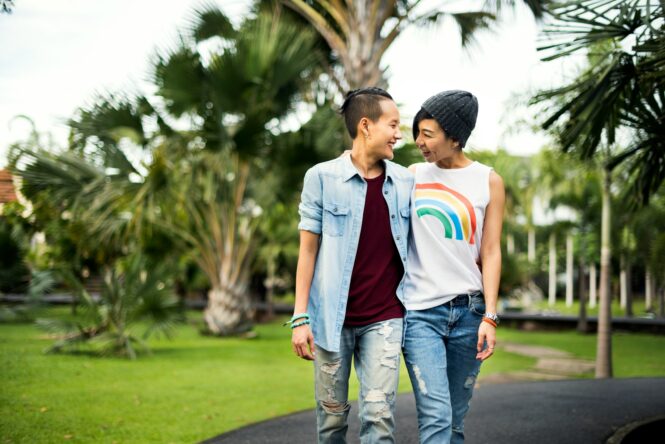
Big Pride events are often crowded, overstimulating, and not designed with accessibility in mind. People with physical disabilities, sensory sensitivities, or mental health challenges can find it hard, or impossible, to take part. When there aren’t quieter spaces, alternative options, or clear support for those with different needs, it sends a message: this isn’t really for you. And that’s a tough thing to feel from your own community.
7. It doesn’t always feel safe.
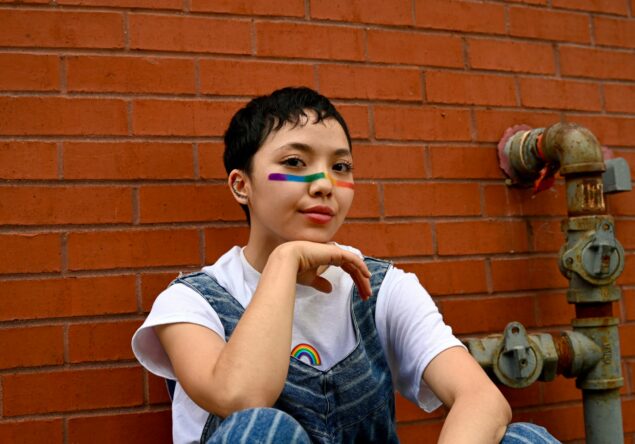
While Pride is about visibility, being visible in a public space still carries risks, especially for trans people, queer people of colour, or anyone whose identity tends to attract hostility. Harassment and violence haven’t disappeared just because it’s June. For some, attending Pride comes with fear and hyper-awareness, not joy. That constant need to stay alert in what’s meant to be a safe space is enough to keep people away entirely.
8. The focus on joy can feel dismissive.
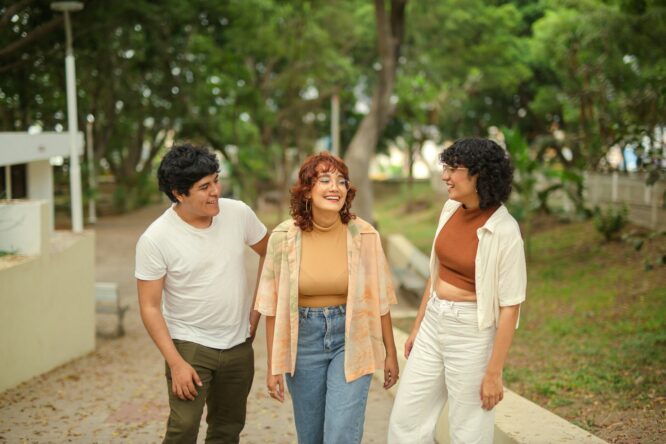
Pride’s positivity can feel overwhelming if you’re in a place of pain, grief, or burnout. Whether it’s dealing with personal trauma, navigating gender dysphoria, or carrying collective sorrow, the pressure to “be proud” can ring hollow. Pride should make space for the full range of queer experience, not just the polished or Instagrammable parts. When there’s no room for heaviness, the people living through it feel pushed out.
9. Smaller identities often get erased.
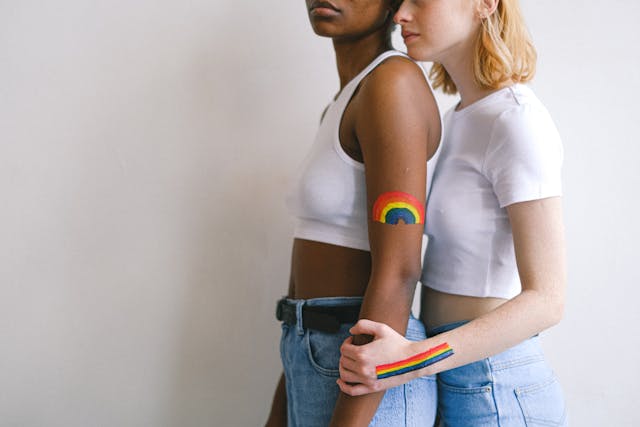
People who are bisexual, asexual, aromantic, pansexual, intersex, or non-binary often feel like their identities are constantly questioned or erased, even within queer spaces. Pride sometimes doubles down on that. When signs, slogans, or events don’t reflect the full spectrum of the community, it reinforces the idea that some orientations or gender identities are just “add-ons” rather than fully valid experiences.
10. It’s hard to celebrate when basic rights are still under threat.
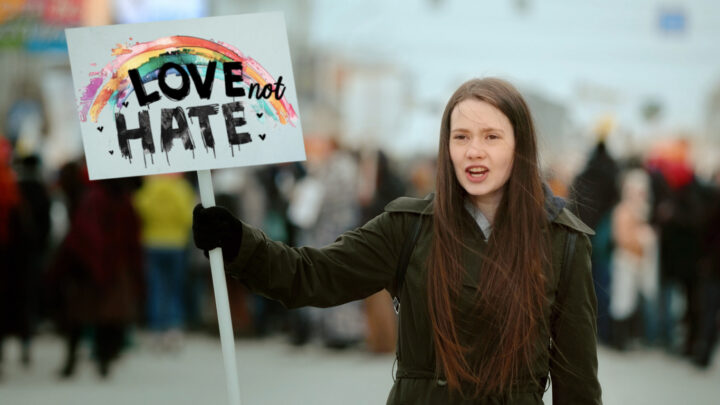
In parts of the world, and even in the UK, queer rights are still being debated, undermined, or rolled back. That makes Pride feel less like a celebration and more like a distraction for some. If you’re watching laws change against trans people, dealing with healthcare discrimination, or seeing your community misrepresented in the media, a parade isn’t always enough. Pride might feel performative when the real work still needs doing.
11. It brings up complicated memories.
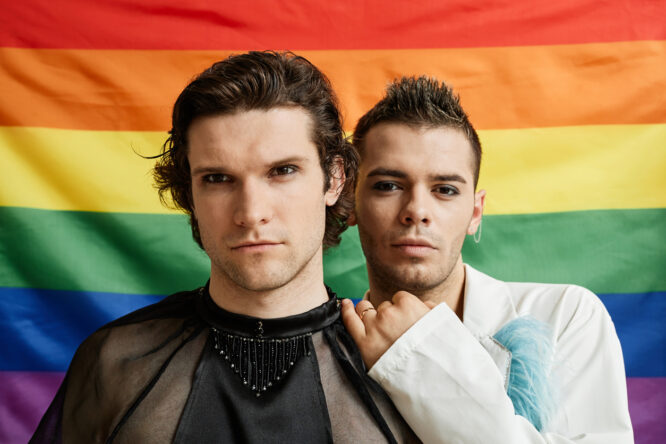
Pride can trigger feelings of exclusion from earlier years, when you weren’t out yet, or when you were treated badly even within queer spaces. Sometimes that emotional history lingers and makes Pride feel more like a reminder than a celebration. Healing isn’t a smooth process for everyone, and visibility doesn’t erase past pain. For some, Pride brings up more than just happiness; it also brings grief, longing, or regret. And that deserves space too.
12. Community doesn’t always feel like community.

While the queer umbrella is meant to unite, lived experiences within it vary massively. Not everyone finds belonging just because they share a label. Sometimes Pride can feel more like a crowd than a community. If you’ve been left out, judged, or treated like you don’t belong by people inside the community, it can sour the whole experience. Pride can’t feel inclusive if real connection is missing on the ground.