For a lot of people, it’s not faith itself that feels hard to hold onto, it’s the way it’s been used.

The gap between what’s preached and what’s practised can turn something that’s supposed to offer comfort into something that breeds guilt, shame, or confusion. These double standards aren’t just frustrating, either. In fact, they’re often the reason they walk away altogether. Here are some of the worst ones that are the most alienating, even for the most devout among us.
1. Preaching love, but practising judgement

Many religious spaces claim to be all about love and acceptance, yet some of the most judgemental attitudes come from inside those communities. People are told to love their neighbour, then watch that same neighbour get shamed, excluded, or gossiped about for not fitting the mould. The disconnect is hard to ignore. It makes people feel unsafe being honest, especially if they’re going through something messy. When “come as you are” comes with conditions, people stop showing up.
2. Forgiveness for some, condemnation for other people

In theory, everyone’s supposed to have access to forgiveness, but in practise, some people get second chances while others get written off completely. A wealthy donor or respected leader might be forgiven publicly, while a struggling teen gets shamed or pushed out. Selective grace doesn’t go unnoticed. It turns forgiveness into a performance, not a principle. Plus, it makes people wonder whether the message applies to everyone, or just the people in good standing.
3. Obsessing over sexual purity, but ignoring emotional abuse

Religious spaces often put heavy emphasis on purity and sexual behaviour, especially for women. However, when it comes to things like emotional manipulation, control, or spiritual gaslighting, there’s often silence or deflection.
This sends a clear message about what’s really prioritised. People end up feeling more judged for who they sleep with than for how they treat people. It creates a culture of shame that punishes the wrong things while letting real harm slide by unchallenged.
4. Promoting marriage while ignoring toxic relationships

In many communities, staying married is seen as the highest virtue, even if the relationship is emotionally or physically harmful. People are told to keep praying, stay faithful, or be more patient, while the actual harm goes unchecked. This pressure to preserve appearances over well-being pushes people into silence. It teaches them to tolerate mistreatment in the name of loyalty. For many, that’s the moment faith stops feeling safe.
5. Claiming equality in God’s eyes, but enforcing hierarchy in the pews

You’ll often hear phrases like “we’re all equal before God,” but the structure of many religious communities tells a different story. Certain voices always get the mic. Certain people always make the decisions. And others are just expected to sit down and follow.
That kind of disconnect between theology and power dynamics isn’t subtle. It tells people that spiritual worth might be equal, but real-life influence is reserved for a few. That can be especially alienating for women, young people, and marginalised groups who are told they belong, but never fully included.
6. Welcoming newcomers… until they challenge the norm

Plenty of churches and religious spaces claim to be welcoming, but that welcome often has a short shelf life. As soon as someone asks a tough question, voices a different perspective, or expresses doubt, the warmth fades fast. This sort of conditional acceptance doesn’t create real community. It creates performance, and people who are genuinely seeking truth or clarity often find themselves on the outside the moment they stop nodding along.
7. Teaching humility while celebrating ego

Humility is held up as a virtue until someone with power needs to be protected. Charismatic leaders, big personalities, or “gifted” individuals are often allowed to act with arrogance or cruelty as long as they’re producing results or filling seats.
The double standard around ego leaves many people disillusioned. It turns spiritual leadership into a spotlight contest, where the rules are different for the people on stage. It also subtly encourages followers to silence themselves in the name of being “humble.”
8. Saying “God’s timing” while protecting abusive systems

When someone brings up harm or inequality in a religious setting, they’re often told to wait, trust God’s plan, or keep praying. These phrases can sound spiritual, but they’re often used to delay real accountability or change. “God’s timing” becomes a tool to preserve comfort for those in power, and the people actually experiencing harm are left waiting for a justice that never seems to arrive. That sort of delay isn’t holy, it’s convenient.
9. Shaming doubt while calling it faith-based learning

Doubt is often painted as a spiritual weakness. People who ask too many questions or express confusion are seen as threats to the community. However, those same spaces will then preach about how faith grows through struggle and testing. The contradiction makes people feel like they have to hide their inner lives to stay accepted. It turns spiritual growth into a performance, one where only the shiny, confident answers are allowed. That pushes out a lot of honest seekers.
10. Demanding modesty while excusing objectification

Women especially are taught to dress modestly to avoid “tempting” men, but the focus rarely falls on the men who objectify, comment, or disrespect them. The burden is placed on the potential victim, not the person doing the damage. This creates a warped view of responsibility and teaches people that someone else’s behaviour is their fault. As time goes on, it doesn’t just hurt confidence, it builds resentment toward a system that blames rather than protects.
11. Promoting service while ignoring burnout

Helping other people is a core value in most religious communities, but sometimes, that message turns into pressure to give endlessly without boundaries. People are praised for overextending, sacrificing sleep, or pushing through exhaustion for the “greater good.”
There’s often little talk about rest, recovery, or saying no. Burnout is spiritualised instead of addressed. And those who step back to protect their health are sometimes made to feel guilty for putting themselves first, even when it’s clearly needed.
12. Calling for unity while silencing conflict

“Unity” gets thrown around a lot—but often it means “don’t rock the boat.” People are encouraged to keep quiet, fall in line, or “pray it away” rather than address real issues in the community. Honest confrontation is discouraged, even when it’s necessary. That sort of forced harmony creates surface-level peace but builds resentment underneath. People don’t leave because of disagreement. They leave because they’re told their discomfort doesn’t matter as long as the group looks good.
13. Saying everyone’s welcome, but only if they change first

Plenty of places claim to accept everyone, but once you’re in the door, the unspoken rules show up. Dress this way. Talk like this. Stop doing that. Be more like us. The acceptance is only real if you conform. That bait-and-switch is what makes people feel betrayed. They came for belonging and found pressure. That’s what causes many to walk out, not because they rejected faith, but because the conditions for inclusion were too exhausting to meet.
14. Preaching against pride while building celebrity culture

Many faith spaces speak against pride and self-glorification, but then centre entire communities around one person’s voice, charisma, or influence. Leaders become untouchable, worship bands become local celebrities, and the line between worship and performance gets blurry. The contradiction destroys trust. It turns something sacred into a show, and it makes it hard for people to believe the message when the messenger is clearly benefiting from the spotlight more than the service.
15. Demanding obedience from children, but not accountability from adults

Kids are often told to honour their parents, respect authority, and follow rules, no questions asked. However, when adults in power act in harmful ways, those same systems are slow (or unwilling) to hold them accountable. That uneven standard teaches the next generation that some people are above consequences.
It creates cycles of silence, resentment, and fear. And many adults who leave religious spaces later in life trace it back to this exact imbalance they experienced as kids.
16. Teaching compassion, but reacting with cruelty to “sinners”
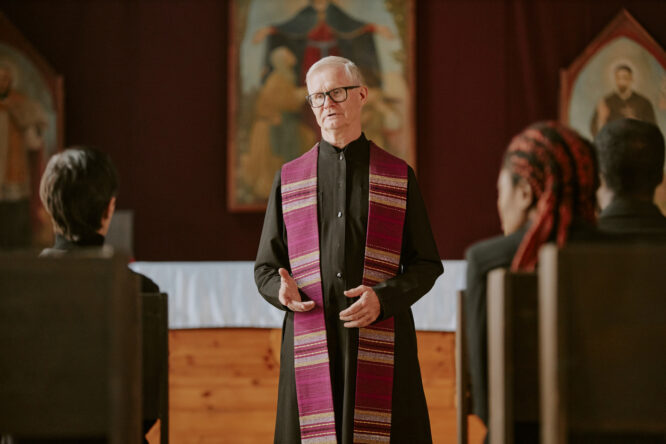
The core message of many faiths is compassion, but that’s not always how people are treated, especially when they’ve messed up. Those struggling with addiction, divorce, or mental health issues are often talked about like they’re failures, not people in pain. This reaction drives people away. Instead of finding grace, they find gossip. Instead of empathy, they find distance. It’s not sin that pushes people out, but it’s the way they’re treated when they’re at their lowest.
17. Talking about justice, but avoiding real-world action

Religious leaders often speak about justice in theory, but when it comes to standing up against racism, inequality, or systemic harm, many stay silent. The message becomes safe and vague, more about comfort than change. The disconnect is frustrating, especially for younger generations. They want to see their faith lived out in the real world, not just in Sunday sermons. When there’s no action behind the words, the credibility of the message fades.
18. Telling people to be honest, but punishing honesty

Many communities encourage people to “bring things into the light” or “be real,” but when someone actually opens up about doubt, identity, or personal struggles, the reaction is often awkward at best and hostile at worst. That double standard teaches people to keep quiet. Vulnerability becomes a risk instead of a strength. Eventually, people stop sharing, not because they have nothing to say, but because they’ve learned it’s not actually safe to say it.
19. Encouraging generosity, but ignoring where the money goes

People are regularly encouraged to give—to donate, tithe, contribute to missions or building projects. However, often, there’s very little transparency about where that money ends up. Questions are brushed off, and concerns are labelled “divisive.” The lack of accountability breeds distrust. People want to be generous, but not if they feel like they’re being taken advantage of. When finances feel hidden or mismanaged, faith in leadership starts to crumble.
20. Talking about transformation, but clinging to the status quo

Faith is supposed to be about growth and change, but many institutions cling tightly to tradition, even when it harms people or keeps them out. New ideas are treated as threats. Cultural changes are feared, not explored.
Such resistance to evolution leaves people feeling stuck. They hear messages about becoming new or letting go of the old, but watch communities do the opposite. That gap between message and practice is what turns spiritual curiosity into quiet disillusionment.