Not all breakdowns are obvious to other people.
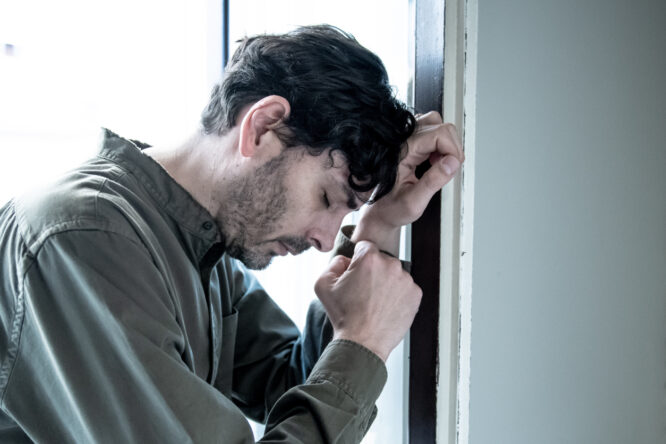
For a lot of men, falling apart isn’t accompanied by tears or big outbursts. Instead, it comes with silence, routine, and behaviours that slowly go from stable to strained. Whether it’s due to pressure, grief, burnout, or long-term emotional suppression, many men don’t always show their struggle in obvious ways. Instead, it leaks out in the small details.
Here are 16 signs a man might be slowly but surely falling apart, even if on the surface, he looks completely fine. If you notice these happening with someone in your life, be sure to offer them extra love and support.
1. He stops reaching out to friends.

One of the first signs is social withdrawal. He might still show up when invited, but he’s no longer the one suggesting plans or checking in. His group chats go quiet, and messages sit unread for longer than usual. The pullback isn’t always noticeable at first, especially if he’s always been a bit private. However, it’s often a sign that he’s feeling overwhelmed inside. Reaching out starts to feel like too much effort, even to people he cares about.
2. He’s tired all the time, but can’t sleep properly.

He talks about feeling exhausted, but when it’s time to rest, his mind won’t switch off. His sleep gets patchy, shallow, or full of early-morning waking, and he’s always running on low battery. It’s more than just physical tiredness—it’s emotional burnout. His brain’s overloaded with worry, stress, or unresolved emotions, and it shows up in the hours when he’s meant to rest and recover.
3. He drinks more than usual.

Whether it’s an extra pint after work, a quiet whisky at night, or drinking alone when he never used to, subtle increases in alcohol use are often overlooked, especially when they’re culturally normalised. It’s not about quantity alone. It’s about the intention behind it. If drinking has gone from social to self-soothing, it’s often a sign something deeper is going unaddressed.
4. His patience is shorter than it used to be.

The man who once handled stress with calm might now snap at small things or seem on edge for no clear reason. It’s not always full-blown anger; sometimes it’s just irritability that bubbles up too easily. This often comes from feeling emotionally cornered. When he’s carrying too much and has nowhere to release it, even minor frustrations can tip him over the edge.
5. He avoids eye contact more.

It’s a small thing, but meaningful. When someone avoids eye contact, it’s often because they’re carrying guilt, shame, or hurt. It can also be a sign of emotional shutdown—they feel too vulnerable to be truly seen. He might still talk and function normally, but there’s something about the way he looks away more quickly that suggests a wall is going up.
6. He jokes about giving up, but it doesn’t feel like a joke.

“What’s the point?” or “I should just disappear for a bit” might sound like offhand comments, but they often come from a very real place. If he makes self-deprecating or bleak jokes more often, listen carefully. Men are often taught to hide pain behind humour. When those jokes start creeping into conversations regularly, they’re not just trying to be funny. They’re expressing something they don’t know how to say directly.
7. He stops taking care of his appearance.
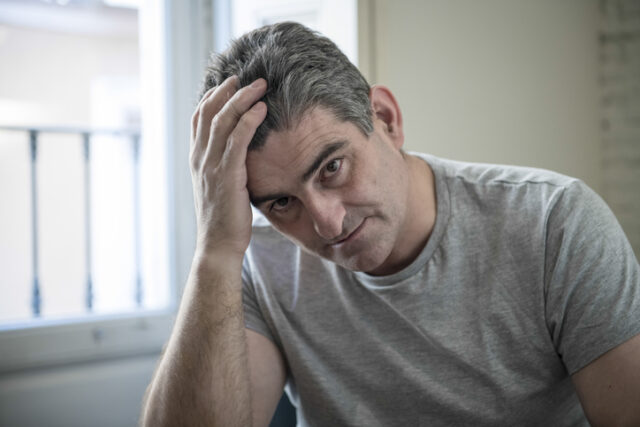
If he was once put-together and now seems like he’s stopped trying—messy hair, unwashed clothes, no interest in grooming — it can be a quiet cry for help. Even if he says he just “can’t be bothered,” it’s often more than laziness. When someone is struggling mentally, basic self-care becomes overwhelming. The drop in effort is usually a sign of depleted energy or low self-worth, not just a style choice.
8. His humour turns darker.

His jokes get more cynical. Sarcasm becomes his default tone. He might laugh things off with comments that are sharper, sadder, or more hopeless than they used to be. Dark humour can be a coping mechanism, but when it starts replacing warmth or optimism altogether, it can suggest a deeper emotional weight he’s trying to hide.
9. He stops making plans for the future.

When things are okay, people make casual plans—a holiday next year, a project they want to start, something fun on the horizon. But when someone is falling apart, the future stops feeling exciting. He might shrug off questions about plans or say things like “we’ll see” or “what’s the point?” It’s often a sign that hope is fading, even if he hasn’t realised it yet himself.
10. He avoids being alone with his thoughts.

He constantly has a podcast on, the TV running, or music playing—anything to fill the silence. Downtime makes him restless, and he rarely sits still without distraction. The constant background noise isn’t just habit. It’s often a strategy to avoid overthinking or sitting with uncomfortable emotions. If silence feels too loud, something’s going on underneath.
11. He gets obsessed with work or productivity.

Sometimes, instead of falling apart visibly, a man will double down on control. He becomes hyper-focused on work, fitness, side hustles—anything that lets him avoid emotional messiness. It can look impressive from the outside, but underneath, it’s often a survival strategy. If slowing down feels terrifying, he might be using busyness to outrun his pain.
12. He seems “flat” in situations that used to light him up.

Whether it’s watching his team play, a favourite hobby, or time with loved ones, if his reactions are more muted than usual, it’s a sign of emotional fatigue. He’s there, but not really present. That emotional numbness isn’t about boredom. It’s often the body and brain protecting themselves when things feel too heavy to fully process. Joy starts to fade when the system is overwhelmed.
13. He brushes off compliments or emotional support.

He deflects with a joke, changes the subject, or shrugs and says, “I’m fine.” It might seem humble, but it’s often a sign he doesn’t know how to accept kindness or doesn’t feel like he deserves it right now. When someone’s self-worth is struggling, even praise can feel uncomfortable. He might want connection but not know how to let it in, especially if he’s been carrying things alone for a while.
14. He’s harder to pin down emotionally.

Conversations with him start to feel vaguer, shorter, or less emotionally open. He might still talk, but it’s more surface-level. He avoids anything personal or steers things back to “safe” topics quickly. This isn’t about being secretive. It’s often about self-protection. If he’s subtly falling apart, opening up might feel risky, like admitting there’s a problem will make it all collapse.
15. He’s overly defensive, even about small things.

If he snaps when asked how he’s doing or overreacts to gentle feedback, he might be carrying a lot more than he’s letting on. Even small questions can feel threatening when you’re holding back a flood of emotion. Defensiveness can be a cover for feeling out of control. When someone’s trying to hold it all together, any challenge, even a mild one, can feel like too much.
16. He says he’s “just tired,” but it’s more than that.

This is probably the most common phrase men use when they’re emotionally unwell. It feels safe. Non-threatening. Easy to say without inviting too many questions. But often, it’s not just tiredness—it’s emotional depletion. If he keeps saying he’s tired but nothing seems to help, that’s the moment to look deeper. The exhaustion might not be from work or poor sleep. It might be from carrying too much, for too long, without anyone realising.